
Understanding Indoor Air Quality Improvement in Aventura after Plumbing Failures
Aventura is known for its modern residential communities, waterfront condominiums, and comfortable living environments. Yet even well-maintained homes and buildings occasionally face plumbing failures that can quickly affect indoor conditions. While most homeowners focus on repairing visible water damage after a leak, one of the most important concerns often remains hidden — indoor air quality.
Plumbing failures introduce moisture into areas not designed to get wet. Even when standing water is removed, moisture often remains trapped in walls, flooring, insulation, and ventilation systems. This trapped moisture can lead to mold growth, lingering odors, and poor indoor air conditions.
Understanding how indoor air quality is restored after plumbing failures helps homeowners and property managers protect both their property and the comfort of residents. Improving air quality involves more than simply fixing a leak; it requires careful inspection, drying, cleaning, and long-term moisture control.
How Plumbing Failures Affect Indoor Air Quality
Plumbing failures can range from small pipe leaks to major pipe bursts that flood entire units. Regardless of size, leaks allow water to soak into building materials, creating damp conditions where mold and bacteria can grow.
When materials such as drywall, carpeting, or insulation remain wet, they begin releasing odors and airborne particles. Mold spores, dust, and microbial contaminants can circulate through the air, affecting indoor comfort and creating unhealthy conditions.
Air conditioning systems often spread these airborne particles throughout the home, making the problem worse. Even when surfaces appear dry, moisture hidden inside walls can continue affecting air quality.
This is why professional inspection and restoration become necessary after plumbing failures.
Why Plumbing Failures Are Common in Aventura Properties
Real-world restoration projects across Aventura reveal that plumbing failures occur more often than many residents expect. High-rise living introduces complex plumbing systems where multiple units share supply and drainage lines.
Common causes of plumbing failures include:
• Aging pipes in older buildings
• High water pressure stressing pipe connections
• Appliance supply line failures
• Drain line blockages causing backups
• Corroded fittings or valves
• Improper renovations or installations
In condo buildings, leaks sometimes originate in neighboring units, allowing water to travel through ceilings or walls before discovery.
Because many plumbing lines run behind walls or ceilings, leaks can continue unnoticed for extended periods.
Warning Signs Residents Often Notice First
In many Aventura properties, plumbing leaks go unnoticed until indoor conditions change.
Residents commonly notice:
• Persistent musty odors
• Increased humidity inside the home
• Ceiling or wall discoloration
• Peeling paint or bubbling drywall
• Warped flooring or baseboards
• Allergy-like symptoms indoors
These signs often indicate moisture has already been present for some time, allowing indoor air quality to decline.
Prompt inspection helps prevent further deterioration.
Hidden Moisture and Its Impact on Air Quality
One of the biggest challenges after plumbing failures is hidden moisture. Even when floors or surfaces are cleaned, moisture often remains inside structural materials.
Common hidden moisture locations include:
• Inside drywall cavities
• Beneath flooring or subfloors
• Inside insulation layers
• Behind kitchen or bathroom cabinets
• AC closets or ventilation areas
When moisture remains trapped, mold growth can begin within days. Mold releases spores and odors that circulate through indoor air, reducing overall air quality.
Professional moisture detection tools help locate these hidden damp areas before air quality problems worsen.
Professional Inspection and Air Quality Assessment
After plumbing failures, professionals begin with a detailed inspection to evaluate how moisture has spread and how indoor air quality may be affected.
Inspection procedures typically include:
• Moisture meter readings in walls and floors
• Thermal imaging to locate hidden damp areas
• Inspection of plumbing and drainage systems
• Air quality sampling where necessary
• HVAC system inspection
This process identifies moisture pockets and contamination sources that must be addressed before air quality can improve.
Accurate inspection prevents incomplete repairs that lead to recurring problems.
Drying and Dehumidification Process
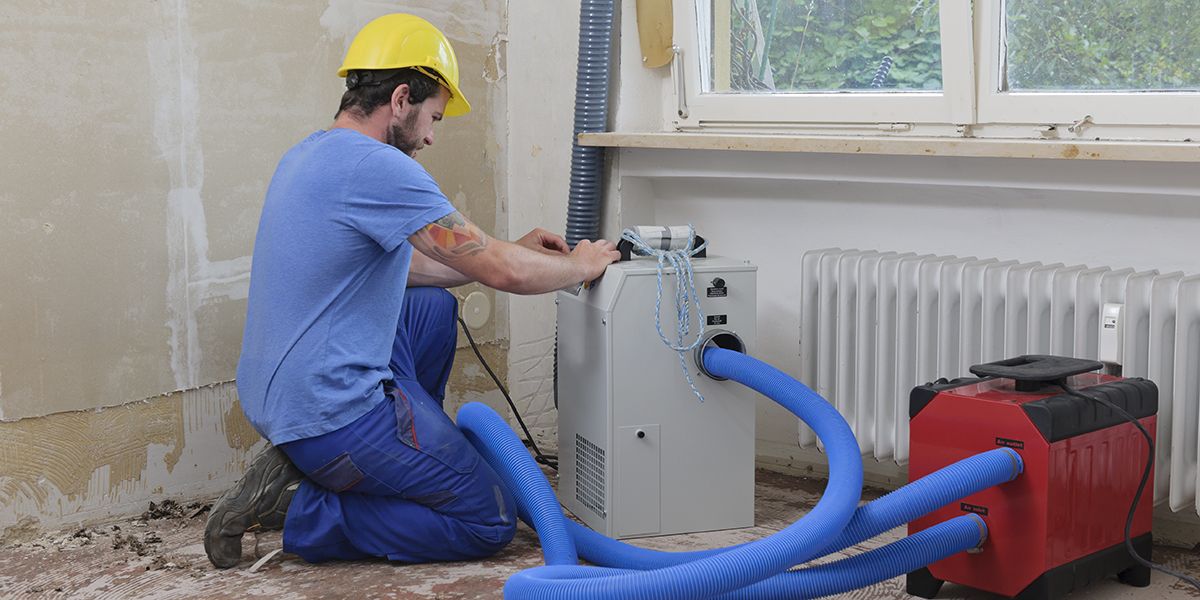
Drying is one of the most critical steps in restoring indoor air quality after plumbing leaks. Moisture must be fully removed before repairs begin.
Professionals use:
• Industrial air movers
• Commercial dehumidifiers
• Specialized drying systems for walls and floors
• Continuous moisture monitoring equipment
Drying may take several days, depending on how deeply moisture penetrated building materials.
Without proper drying, mold growth can occur even after cosmetic repairs appear complete.
Mold Prevention and Contamination Removal
When moisture remains for too long, mold may begin forming inside affected areas. Mold contamination significantly impacts indoor air quality.
Professional restoration often includes:
• Removal of mold-damaged materials
• Containment of contaminated areas
• Cleaning and disinfecting structural surfaces
• Air filtration using professional air scrubbers
Air scrubbers filter airborne contaminants, helping restore clean indoor air during remediation.
Removing contaminated materials ensures mold does not return after repairs.
HVAC Systems and Air Quality Recovery
Air conditioning systems play a major role in air quality improvement. When moisture enters ventilation systems, mold and contaminants can spread throughout the property.
Common HVAC-related concerns after plumbing failures include:
• Moisture entering ductwork
• Dirty coils holding moisture
• Clogged condensate drain lines
• Contaminated air filters
Inspection and cleaning of HVAC components often become part of air quality restoration efforts.
Proper maintenance ensures contaminants are not continuously recirculated indoors.
Repairing and Restoring Damaged Areas
Once drying and contamination removal are complete, repairs focus on restoring affected areas to safe conditions.
Restoration work may include:
• Replacing drywall and insulation
• Repairing flooring or subfloors
• Repainting walls and ceilings
• Restoring cabinetry or trim
Repairs also ensure materials are completely dry before rebuilding, preventing future moisture issues.
Proper restoration supports long-term indoor air quality improvement.
Preventing Future Plumbing and Moisture Problems
Homeowners and property managers in Aventura can reduce future risks through preventive maintenance and inspections.
Helpful prevention measures include:
• Regular plumbing inspections
• Monitoring appliance supply lines
• Maintaining proper water pressure
• Servicing AC systems annually
• Fixing leaks immediately
• Scheduling periodic moisture inspections
Preventive maintenance helps avoid repeated air quality problems and restoration work.
Why Local Experience Matters in Air Quality Restoration
Indoor air quality restoration after plumbing failures requires knowledge of local building conditions and climate challenges. Coastal humidity and high-rise construction patterns influence how moisture spreads in Aventura properties.
Local professionals familiar with North Miami communities understand these patterns and tailor restoration efforts accordingly. Companies such as Tip Top Water and Fire Damage Restoration regularly handle plumbing-related water damage across Aventura and surrounding neighborhoods, allowing them to address moisture and air quality challenges specific to local properties.
Local experience helps ensure problems are fully resolved rather than temporarily repaired.
A Practical Step Toward Cleaner Indoor Air
If your property has experienced a plumbing failure or shows signs of moisture problems, scheduling professional inspection and drying can prevent long-term air quality issues.
Indoor air quality improvement is not only about comfort — it protects property value and helps maintain healthier living conditions. Acting quickly after leaks occur allows homeowners to restore safe indoor environments and avoid costly remediation later.
In Aventura’s coastal climate, proactive inspection and moisture control remain the best way to keep homes comfortable and indoor air clean after plumbing failures.