
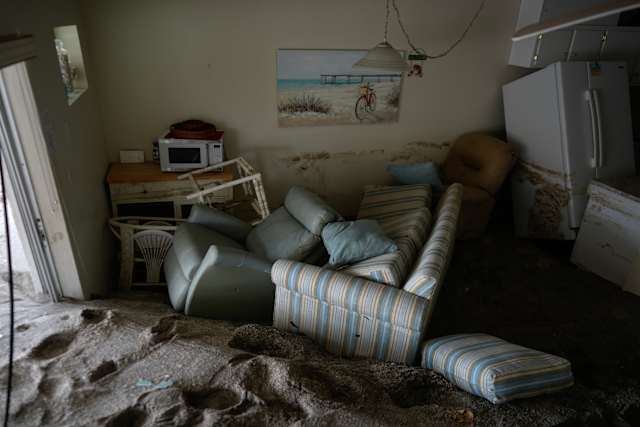
Preventive Measures That Save Money: Flood Restoration Challenges in Coastal Neighborhoods Near Biscayne Bay
Living in coastal neighborhoods near Biscayne Bay offers beautiful scenery and convenient waterfront access, but these benefits come with unique challenges for homeowners. One of the most significant concerns facing property owners in North Miami and nearby communities is flooding and the restoration work that follows.
Flood damage is often associated with hurricanes or extreme weather, yet many restoration projects result from smaller, repeated events such as heavy rainfall, drainage problems, or storm surge pushing water into homes. While the initial flooding may appear manageable, hidden moisture left behind often creates long-term problems if restoration is incomplete.
Understanding flood restoration challenges and preventive measures helps homeowners protect their properties, reduce repair costs, and avoid recurring damage in coastal neighborhoods.
Understanding Flood Damage in Bayfront Communities
Flooding occurs when water enters areas of the home not designed to handle moisture exposure. In neighborhoods close to Biscayne Bay, homes are exposed to higher flood risks due to storm surge, rising water levels, and intense rainfall events.
When floodwater enters a property, it quickly saturates materials such as drywall, flooring, insulation, and cabinetry. Even after visible water is removed, moisture often remains trapped inside walls and structural materials.
Without proper restoration, lingering moisture can lead to mold growth, weakened building materials, and indoor air quality concerns. Flood restoration therefore involves much more than simply cleaning up water; it requires professional drying and repair to fully restore safe living conditions.
Why Coastal Neighborhoods Face Greater Restoration Challenges
Homes located near Biscayne Bay experience environmental conditions that increase flood risks compared to inland properties. Restoration professionals frequently observe recurring challenges in neighborhoods such as Miami Shores, Biscayne Park, North Miami Beach, Aventura, and Surfside.
Several factors contribute to restoration difficulties:
• Storm surge pushing water inland during severe weather
• Heavy rainfall overwhelming drainage systems
• Aging infrastructure in older neighborhoods
• Low elevation increasing flood exposure
• High humidity slowing drying processes
Even homes that avoid direct flooding may experience moisture intrusion through foundations, garages, or exterior walls during storms.
Because water travels easily through building materials, damage may spread beyond the visibly flooded areas.
Early Warning Signs of Post-Flood Damage
After flood events, homeowners sometimes assume their property has recovered once standing water disappears. However, damage often develops gradually.
Common post-flood warning signs include:
• Musty or damp odors indoors
• Warping or buckling flooring
• Peeling paint or bubbling walls
• Soft drywall or baseboards
• Persistent indoor humidity
• Mold spots appearing later
These signs typically indicate hidden moisture remains within structural materials.
Professional inspections often reveal water damage long after the initial flooding appears resolved.
Hidden Damage Often Missed After Flooding
Restoration projects near Biscayne Bay frequently uncover moisture damage in unexpected places.
Common hidden areas affected include:
• Inside wall cavities
• Beneath flooring and subfloors
• Inside insulation layers
• Behind cabinetry
• Inside air conditioning closets
• Under heavy furniture
Even shallow flooding can allow water to seep into structural materials, creating conditions where mold and deterioration develop unnoticed.
Removing visible water without drying these hidden areas often leads to recurring problems.
Why DIY Flood Cleanup Often Falls Short
Homeowners sometimes attempt flood cleanup using household fans and cleaning tools. While these efforts help remove surface water, they rarely eliminate moisture hidden inside structures.
DIY cleanup commonly fails because:
• Moisture remains trapped behind walls
• Wet insulation is not removed
• Airflow is insufficient for deep drying
• Mold growth begins before areas fully dry
Professional restoration teams use specialized equipment to remove hidden moisture effectively.
Incomplete drying is one of the main reasons flood damage returns months later.
Professional Flood Restoration Process Explained
Professional flood restoration begins with a thorough inspection to determine how far water has spread throughout the property.
The restoration process typically includes:
• High-powered water extraction
• Removal of damaged materials where necessary
• Industrial air movers and dehumidifiers
• Moisture monitoring during drying
• Cleaning and disinfecting affected areas
• Structural repair and restoration
Drying may take several days, especially during humid conditions common in North Miami.
Proper drying ensures rebuilding does not trap moisture inside walls or flooring.
Mold Risks After Flood Events
Floodwater creates ideal conditions for mold growth if materials remain damp. In warm coastal climates, mold can begin forming quickly once moisture is present.
Mold may develop:
• Behind drywall
• Under flooring
• Inside insulation
• Inside ventilation systems
Mold contamination often requires additional remediation, increasing restoration costs.
Professional drying and moisture detection prevent mold from becoming a secondary problem after flooding.
HVAC Systems and Flood Restoration Challenges
Air conditioning systems also face risks during flooding events. If floodwater reaches AC components or ducts, contamination and moisture buildup can spread throughout the home.
Common issues include:
• Wet or contaminated ductwork
• Dirty coils holding moisture
• Damaged insulation inside ducts
• Clogged drainage systems
HVAC inspection and cleaning often become necessary during restoration to prevent indoor air quality problems.
Maintaining these systems helps reduce future moisture risks.
Preventive Measures That Save Money
Homeowners in coastal neighborhoods can reduce future flood damage risks through proactive maintenance and planning.
Helpful preventive steps include:
• Inspecting roofs and seals before storm season
• Maintaining proper exterior drainage
• Elevating appliances in flood-prone areas
• Cleaning gutters and storm drains regularly
• Checking foundation and wall seals
• Scheduling periodic moisture inspections
Preventive action significantly reduces restoration expenses after storms.
Small investments in maintenance often prevent costly structural repairs later.
Importance of Local Experience in Restoration
Flood restoration in coastal North Miami neighborhoods requires understanding local climate patterns and construction styles. Professionals familiar with Biscayne Bay communities understand how storms and humidity influence moisture behavior.
Local restoration providers such as Tip Top Water and Fire Damage Restoration regularly handle flood recovery projects throughout North Miami and surrounding waterfront communities. Their experience allows them to tailor restoration strategies to local environmental conditions rather than relying on generic methods.
Local knowledge improves restoration accuracy and reduces recurring damage risks.
A Practical Next Step for Coastal Homeowners
Flooding cannot always be avoided in coastal communities, but proper preparation and professional restoration help minimize long-term damage.
Scheduling inspections after storms, addressing moisture quickly, and maintaining proper drainage systems protect homes from repeated restoration needs. Flood restoration should not be viewed only as emergency work but as part of ongoing coastal home maintenance.
In neighborhoods near Biscayne Bay, proactive prevention helps homeowners avoid expensive repairs while keeping properties safe, comfortable, and resilient against future flooding challenges.