
How Coastal Weather Influences AC Moisture Repair in Aventura
Living in Aventura offers beautiful coastal views, warm weather, and convenient access to surrounding communities like Sunny Isles Beach, North Miami Beach, Bal Harbour, and Miami Shores. However, coastal living also brings environmental challenges that many property owners underestimate—especially when it comes to air conditioning systems and indoor moisture problems.
In South Florida, air conditioners work nearly year-round. When coastal humidity, salt-heavy air, and high temperatures combine, AC systems are pushed harder than in most parts of the country. Over time, this creates moisture issues that lead to leaks, mold growth, and damage requiring professional repair.
Understanding how coastal weather influences AC moisture problems can help homeowners, landlords, and property managers in Aventura prevent long-term property damage.
Understanding AC Moisture Problems in Homes
Air conditioning systems do more than cool air. They also remove moisture from indoor environments. When warm, humid air passes over cold evaporator coils, moisture condenses and drains away through a condensate system.
Under normal conditions, this process keeps homes comfortable. But when parts of the system clog, break, or become overwhelmed, moisture no longer drains correctly.
Instead, water begins to leak into ceilings, walls, air ducts, and floors. Over time, this trapped moisture can cause mold growth, drywall damage, insulation deterioration, and even structural problems.
Many AC moisture repair calls in Aventura begin with small leaks that were ignored for weeks or months.
Why This Happens So Often in Aventura
Coastal weather plays a major role in moisture-related AC problems across Aventura and nearby bayfront communities.
Humidity levels remain high for much of the year. Even during cooler months, moisture in the air remains elevated compared to inland cities. This means AC systems continuously work to remove moisture, not just cool the air.
Heavy rainstorms and seasonal downpours also increase indoor humidity. After storms, homes often trap moisture inside due to closed windows and limited ventilation.
Salt exposure from coastal air creates additional challenges. Salt particles can corrode metal AC components over time, weakening coils and drainage systems.
Many Aventura properties also include high-rise condos or tightly sealed modern homes. While energy efficient, these buildings often suffer from poor airflow, allowing moisture to accumulate in hidden spaces.
Common Signs Homeowners Notice First
AC moisture problems usually reveal themselves gradually. Homeowners often miss early warning signs.
Common clues include:
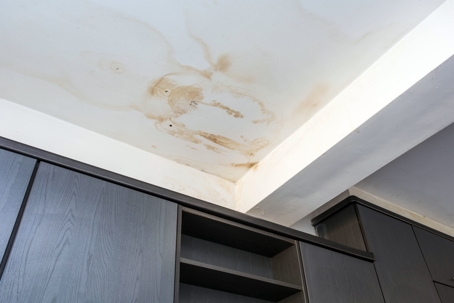
• Water stains forming on ceilings or walls
• Damp or musty smells near vents
• Dripping water near indoor AC units
• Warped drywall or peeling paint
• Mold spots around vents or ceilings
• Increased indoor humidity or sticky air
• Condensation around ducts or registers
Property managers in Aventura frequently report tenant complaints about persistent musty odors before realizing moisture damage exists behind walls.
Hidden or Overlooked Moisture Sources
Some AC moisture problems remain hidden for long periods.
Blocked condensate drain lines are extremely common in South Florida. Dirt, algae, and debris clog lines, causing water to back up into homes.
Improper AC installation also leads to drainage issues. If units are not leveled correctly, water may pool instead of draining away.
Leaky ductwork in attics or crawl spaces creates condensation buildup in unseen areas. Insulation absorbs moisture, leading to mold growth.
Air handler units placed in closets or ceilings often leak unnoticed until significant damage occurs.
These hidden sources are why professional inspections are important after moisture problems appear.
Why DIY Mold or Moisture Fixes Usually Fail
Homeowners often attempt to clean visible mold or dry wet areas themselves. While surface cleaning may help temporarily, it rarely solves the root problem.
Moisture trapped behind drywall or under flooring continues to spread mold growth. Without correcting drainage failures or AC malfunctions, the problem returns.
DIY solutions also fail to address moisture trapped inside ducts, insulation, or framing materials.
Many Aventura property owners call professionals months later when mold reappears or water damage worsens.
How Professional Moisture Inspection Works
Professional moisture inspection involves more than visual checks.
Technicians use moisture meters, thermal imaging tools, and airflow testing to locate hidden damp areas. Condensate lines, coils, and drainage systems are inspected for blockages or corrosion.
Ductwork and insulation conditions are evaluated, especially in attics common throughout North Miami and surrounding areas.
Air samples or surface testing may be recommended when mold growth is suspected.
Companies like Tip Top Water and Fire Damage Restoration often see moisture issues tied to long-term AC inefficiencies rather than sudden leaks.
Proper Moisture Repair and Mold Remediation
Correct moisture repair focuses on both fixing the AC system and restoring affected materials.
Steps typically include:
• Clearing or replacing blocked condensate lines
• Repairing leaking coils or drainage components
• Drying wet insulation and structural areas
• Removing mold-contaminated materials safely
• Cleaning and sanitizing impacted surfaces
• Installing improvements to prevent future moisture buildup
Thorough drying is critical. Without professional drying equipment, moisture lingers inside walls and ceilings.
Water Damage Repair from AC Leaks
When AC moisture issues continue unchecked, they eventually cause water damage requiring restoration.
Ceilings collapse, drywall weakens, flooring buckles, and cabinets absorb moisture. Mold growth may spread beyond the original leak location.
Water damage repair includes removal of compromised materials, drying structural components, and restoring interior finishes.
Prompt repairs help prevent larger structural problems and reduce restoration costs.
Air Ducts, Ventilation, and Mold Risks
Air ducts frequently contribute to moisture problems in coastal homes.
Cold ducts passing through hot, humid attics create condensation on duct surfaces. Over time, moisture soaks insulation and supports mold growth.
Dirty ducts also trap moisture and debris, spreading contaminants through homes.
Routine duct inspections and cleaning help prevent long-term moisture buildup and improve airflow efficiency.
Preventing AC Moisture Problems in Aventura Homes
Prevention remains the most effective solution.
Homeowners can reduce risks by:
• Scheduling routine AC maintenance
• Keeping condensate drains clear
• Monitoring humidity levels indoors
• Ensuring proper ventilation in attics and closets
• Replacing air filters regularly
• Inspecting ceilings for early water stains
• Addressing leaks immediately
Regular inspections are especially important after heavy storms or long humid seasons common in coastal South Florida.
Why Local Experience Matters
Moisture problems in Aventura differ from those in inland regions. Coastal humidity, salt exposure, and high AC usage create unique challenges.
Local professionals understand construction styles, weather patterns, and common moisture trouble spots across North Miami Beach, Sunny Isles Beach, Surfside, and nearby communities.
Experienced restoration teams recognize early warning signs and tailor solutions to local conditions, preventing repeated repairs.
Tip Top Water and Fire Damage Restoration frequently assists homeowners dealing with recurring AC moisture issues caused by coastal environmental factors.
Taking Action Before Damage Spreads
Moisture problems rarely fix themselves. Small leaks or condensation issues often become expensive repairs when ignored.
If you notice damp smells, water stains, or unexplained humidity inside your property, a professional inspection can identify problems early and help protect your home.
Acting quickly keeps repairs manageable and prevents mold or structural damage from spreading.
Protecting your Aventura property starts with understanding how coastal weather impacts AC systems—and responding before moisture becomes a major issue.