
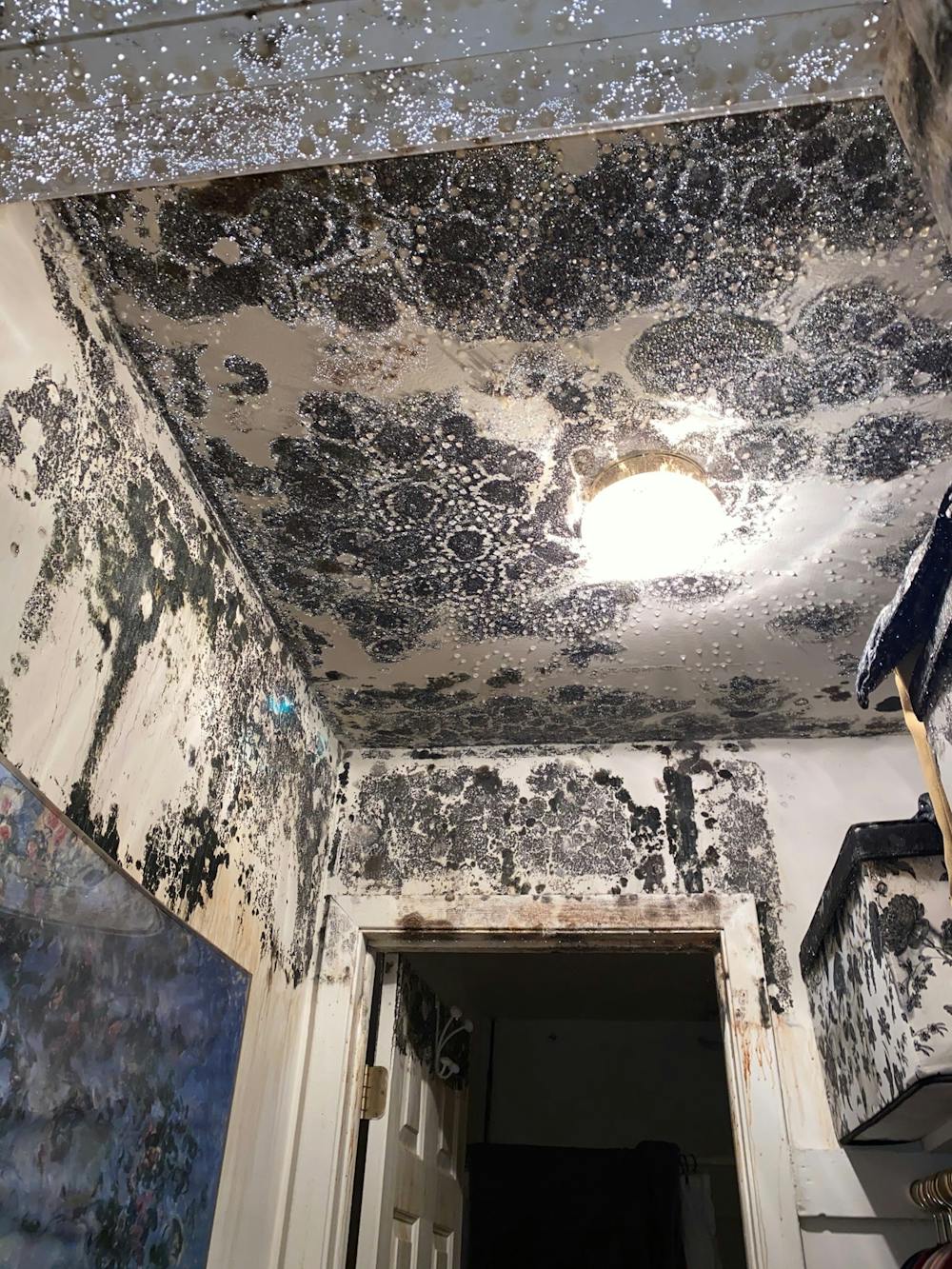
Mold Testing in North Miami: A Step-by-Step Look at the Process
Homes and condominiums across North Miami and surrounding coastal communities deal with moisture almost year-round. Between humid air, sudden rainstorms, aging plumbing systems, and constant air conditioning use, many properties quietly develop conditions that allow mold to grow behind walls, under flooring, or inside ventilation systems.
Because mold often hides from view, many homeowners are unsure when mold testing becomes necessary or what actually happens during the process. Understanding how professional testing works helps property owners make calm, informed decisions rather than reacting only after visible damage appears.
Here is a clear, step-by-step look at how mold testing is performed in North Miami homes and why the process matters.
What Mold Testing Actually Means
Mold testing is not simply looking for dark spots on walls. Professional testing is a structured process used to determine:
- Whether mold is present
- Where moisture is allowing growth
- The type and concentration of mold spores in the air
- Whether indoor conditions are worse than normal outdoor levels
Testing becomes important when mold is suspected but not visible, or when occupants notice persistent odors or unexplained moisture problems.
In North Miami, many homes look clean on the surface while mold quietly grows inside drywall, ceilings, or duct systems.
Why Mold Issues Are Common in North Miami
Local environmental conditions make mold problems far more common than many homeowners expect.
High humidity remains one of the biggest contributors. Coastal air from Biscayne Bay carries moisture that easily enters homes, especially older properties with aging windows or ventilation issues.
Other common factors include:
- Heavy seasonal rains and storm intrusion
- Flooding in low-lying neighborhoods
- AC condensation problems
- Roof leaks during storm season
- Slab foundation moisture intrusion
- Plumbing leaks behind walls
- Poor attic ventilation
- Moisture trapped in air ducts
Communities such as North Miami Beach, Surfside, Aventura, Miami Shores, and Bal Harbour frequently experience these same challenges due to proximity to water and year-round humidity.
Common Signs Homeowners Notice
Mold testing is often requested after homeowners notice small warning signs.
Typical signs include:
- Persistent musty or damp odors
- Repeated mold spots after cleaning
- Water stains on ceilings or walls
- Warped baseboards or flooring
- Paint bubbling or peeling
- AC systems producing a damp smell
- Increased allergy-like irritation indoors
Sometimes, buyers request mold testing during real estate transactions in North Miami properties to confirm the home is safe before closing.
Hidden Sources Mold Often Comes From
In many inspections, mold originates from areas homeowners rarely see.
Common hidden sources include:
- Inside drywall after plumbing leaks
- Beneath laminate or wood flooring
- Under bathroom tiles
- Inside HVAC air handlers
- Ductwork with condensation buildup
- Attics with poor ventilation
- Closets against exterior walls
- Crawl spaces with trapped humidity
Even homes that look spotless can contain mold inside structural cavities.
Why DIY Mold Removal Usually Fails
Homeowners often try cleaning visible mold with bleach or household cleaners. Unfortunately, this rarely solves the real problem.
DIY cleaning usually fails because:
- It removes surface stains but not root growth
- Hidden moisture remains untreated
- Mold continues growing behind walls
- Spores spread during improper cleaning
- Moisture sources remain undiscovered
Without proper testing, homeowners may believe the issue is gone while mold continues developing out of sight.
Step-by-Step Professional Mold Testing Process
A professional mold testing process follows structured steps to provide reliable results.
Step 1: Visual Inspection
Inspectors begin by examining common moisture areas, including bathrooms, kitchens, attics, AC systems, and areas with previous leaks.
Step 2: Moisture Detection
Moisture meters and thermal cameras help locate damp materials inside walls or ceilings without invasive damage.
Step 3: Air Sampling
Air samples are collected indoors and compared to outdoor air levels. Elevated indoor spore counts usually indicate hidden mold growth.
Step 4: Surface Sampling
If visible mold exists, tape or swab samples may be collected to identify mold types.
Step 5: Laboratory Analysis
Samples are sent to certified labs for identification and concentration measurement.
Step 6: Results and Recommendations
A report outlines findings, moisture sources, and whether remediation is needed.
This approach provides clarity instead of guesswork.
Proper Mold Removal and Remediation
If testing confirms mold growth, remediation follows a structured plan.
The proper process includes:
- Containment to prevent spreading spores
- Removal of contaminated materials when needed
- HEPA filtration and air scrubbing
- Surface cleaning and antimicrobial treatment
- Moisture source correction
- Controlled drying of affected areas
Professional remediation ensures mold does not return quickly.
Flood Restoration and Water Damage Repair Connection
In North Miami, mold problems frequently follow water damage incidents.
Flooding from storms, plumbing failures, or AC leaks can leave moisture trapped inside walls or flooring. If drying is incomplete, mold can begin growing within 24–48 hours.
Flood restoration services typically include:
- Water extraction
- Structural drying
- Moisture monitoring
- Removal of damaged materials
- Cleaning and restoration
Proper drying after water damage significantly reduces future mold risks.
Air Ducts, AC Systems, and Mold Concerns
Air conditioning systems play a major role in local mold issues.
AC systems constantly pull humid air across cooling coils, creating condensation. If drainage systems clog or ducts remain damp, mold can grow inside air handlers or duct lines.
Signs of duct-related mold include:
- Musty smells when AC starts
- Dust blowing from vents
- Increased indoor humidity
- Recurring mold in rooms
Professional inspection often includes checking duct systems to prevent mold circulation throughout the home.
Preventing Mold Growth in North Miami Homes
Preventive steps reduce the chance of mold returning.
Helpful measures include:
- Fix leaks immediately
- Keep indoor humidity below 60%
- Maintain AC systems regularly
- Use exhaust fans in kitchens and bathrooms
- Ensure proper attic ventilation
- Inspect roofs annually
- Clean AC drain lines
- Use dehumidifiers where needed
Routine maintenance greatly lowers long-term moisture risks.
Why Local Experience Matters
Local experience makes a significant difference when diagnosing mold problems.
Homes in North Miami differ from inland Florida properties due to coastal air exposure, older construction styles, and storm patterns.
Professionals familiar with neighborhoods like Sunny Isles Beach, Biscayne Park, Miami Shores, and Aventura understand typical building layouts and recurring moisture issues.
Companies like Tip Top Water and Fire Damage Restoration have seen firsthand how regional climate and construction methods influence mold growth patterns across North Miami communities.
Taking Action Without Panic
Mold testing should not feel overwhelming or alarming. In many homes, problems are manageable when identified early.
If you notice persistent odors, unexplained stains, or recurring moisture, scheduling professional testing provides clear answers rather than uncertainty.
A calm inspection and testing process helps homeowners understand their property’s condition and take practical steps toward maintaining a healthier living space for the long term.