
Property Maintenance Insights: Moisture Detection in Surfside
Living in Surfside offers residents easy access to beaches and coastal living, but the same environment that makes the area attractive also creates ongoing moisture challenges for homes and condominiums. Moisture intrusion is one of the most common causes of property damage in coastal communities, often developing quietly until visible problems appear.
Many property owners assume moisture issues only occur after flooding or major leaks. In reality, moisture problems frequently begin in small, hidden ways that gradually damage structures, reduce indoor comfort, and lead to mold growth if not addressed early.
Understanding how professional moisture detection works helps homeowners and property managers prevent long-term damage and maintain healthy, durable properties throughout Surfside.
What Moisture Detection Actually Means
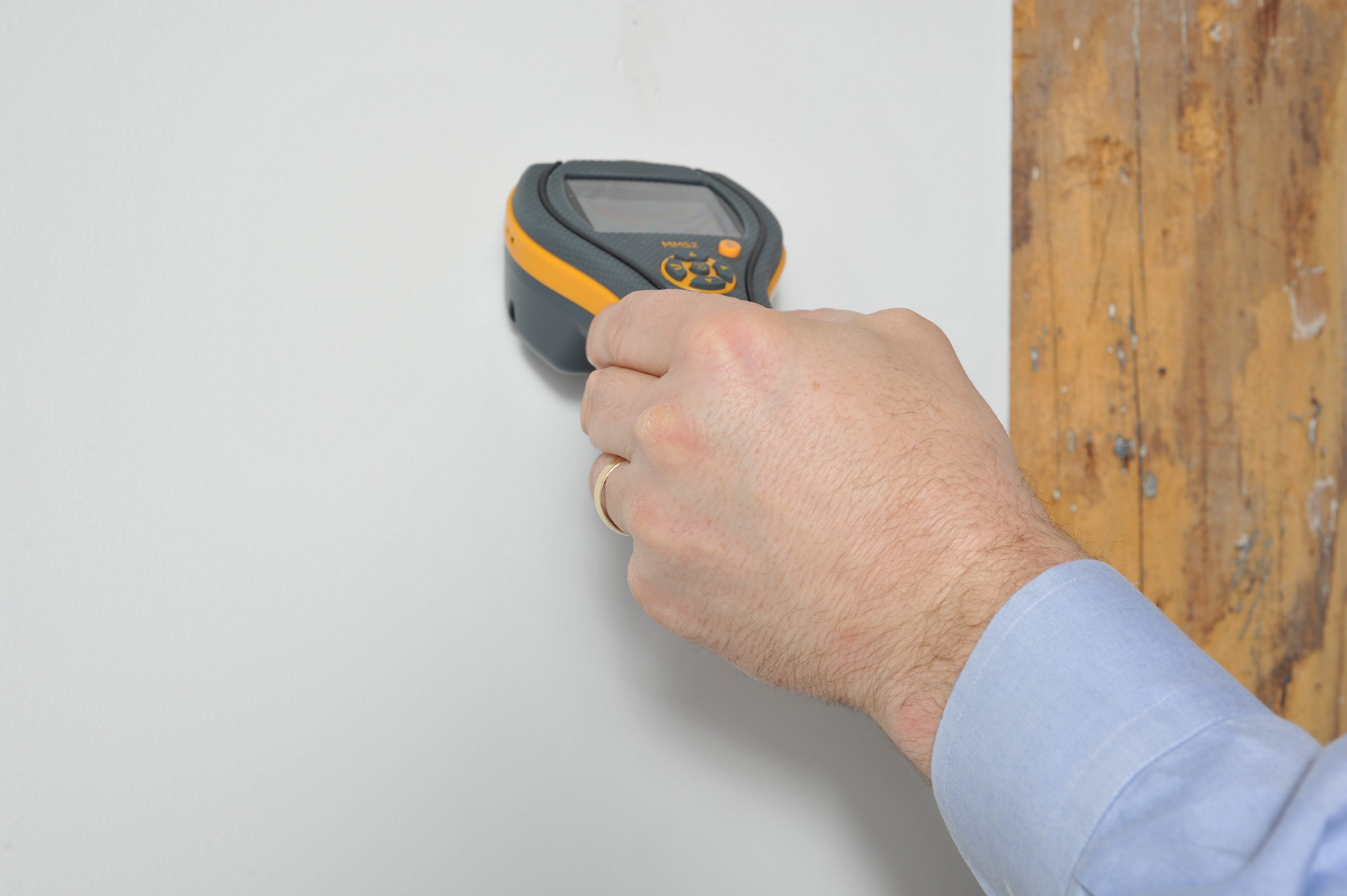
Moisture detection is the process of identifying hidden dampness inside building materials before visible damage becomes severe. Professionals use specialized tools to locate moisture behind walls, under flooring, and inside ceilings without unnecessary demolition.
Moisture may be present even when surfaces appear dry. Left unaddressed, trapped water can weaken materials, cause odors, and create conditions where mold develops.
Moisture detection becomes important when:
- Leaks are suspected but not visible
- Mold odors appear without visible mold
- Floors or walls feel damp
- AC systems overflow or leak
- Water damage occurred previously
Early detection allows repairs to happen before larger restoration projects become necessary.
Why Moisture Problems Occur Frequently in Surfside
Surfside properties constantly face moisture exposure due to coastal conditions. Humid ocean air enters homes daily, and sudden rainstorms can introduce water into buildings through small openings.
Common moisture sources include:
- Wind-driven rain entering windows and balconies
- Roof leaks after storms
- Aging plumbing systems in older buildings
- AC condensation and clogged drain lines
- High indoor humidity levels
- Flooding during heavy storms
- Poor ventilation in bathrooms and kitchens
Nearby communities such as North Miami Beach, Bal Harbour, and Sunny Isles Beach experience the same environmental conditions, especially in buildings close to the water.
Even well-maintained homes can develop moisture issues if ventilation or drainage systems fail.
Signs Property Owners Often Notice First
Moisture problems usually reveal themselves through subtle warning signs before major damage appears.
Homeowners frequently notice:
- Musty or damp odors indoors
- Paint peeling or bubbling
- Ceiling stains or discoloration
- Warped baseboards or flooring
- Condensation forming on windows
- Increased indoor humidity
- Mold spots appearing repeatedly
Sometimes the first indication is an unexplained odor or persistent damp feeling inside rooms.
These symptoms often point to hidden moisture inside walls or ceilings.
Hidden Areas Professionals Always Inspect
Moisture rarely remains confined to visible surfaces. Experienced inspectors look carefully at areas homeowners rarely check.
Common hidden moisture locations include:
- Inside drywall after plumbing leaks
- Beneath laminate or hardwood flooring
- Under bathroom tiles
- Inside kitchen cabinets
- Around balcony doors and window frames
- Inside air conditioning closets
- Behind shower walls
- In attics with poor ventilation
Water can travel far from its source, making professional detection critical even when visible damage seems minor.
Why DIY Moisture Checks Often Miss Problems
Many homeowners attempt to identify moisture using touch or visual inspection alone. Unfortunately, this approach often misses hidden dampness.
DIY checks fail because:
- Moisture hides inside walls or floors
- Surfaces may feel dry while interiors remain wet
- Hidden leaks go unnoticed
- Mold growth continues unseen
- Damage spreads slowly over time
Professional moisture detection tools locate problems without guesswork, allowing accurate repairs.
Step-by-Step Professional Moisture Detection Process
Professional moisture inspections follow a structured method designed to find hidden problems efficiently.
Initial Property Inspection
Technicians visually inspect areas prone to moisture, including kitchens, bathrooms, AC systems, and past leak locations.
Moisture Meter Testing
Meters measure moisture levels inside building materials without causing damage.
Thermal Imaging Technology
Infrared cameras reveal temperature differences caused by hidden dampness behind surfaces.
Source Identification
Inspectors determine whether moisture originates from plumbing, weather intrusion, or condensation.
Moisture Mapping
Affected areas are mapped to guide drying or repair efforts.
This process ensures no moisture pockets are overlooked.
Addressing Moisture After Detection
Once moisture is located, corrective action focuses on both drying and source correction.
Professional solutions often include:
- Repairing plumbing or leak sources
- Using industrial air movers and dehumidifiers
- Removing damaged materials if needed
- Improving ventilation systems
- Adjusting AC drainage systems
- Sealing building openings exposed to rain
Drying materials properly prevents long-term damage and mold growth.
Connection Between Moisture and Mold Growth
One of the biggest risks of hidden moisture is mold development. In Surfside’s warm climate, mold can begin growing within one or two days if moisture remains trapped.
Common mold risk areas include:
- Inside wall cavities
- Beneath flooring
- Around AC units
- Inside closets with poor airflow
- Behind cabinets or appliances
Professional moisture detection often prevents mold issues before removal becomes necessary.
AC Systems and Moisture Challenges
Air conditioning systems play a major role in indoor moisture levels.
AC units constantly produce condensation while cooling air. If drain lines clog or equipment malfunctions, moisture may overflow into walls or ceilings.
Inspectors typically check:
- Condensate drain lines
- Drain pan condition
- Air handler installation
- Duct insulation integrity
- Moisture buildup near vents
Routine AC maintenance greatly reduces moisture-related problems.
Preventing Future Moisture Issues
Property maintenance plays a crucial role in preventing moisture damage.
Helpful preventive measures include:
- Repair leaks immediately
- Clean AC drain lines annually
- Maintain proper indoor humidity levels
- Ensure bathroom and kitchen ventilation works properly
- Inspect roofs and windows after storms
- Install leak detection devices where possible
- Monitor areas prone to condensation
Small maintenance steps often prevent expensive restoration work later.
Why Local Experience Matters in Moisture Detection
Moisture detection in coastal communities requires understanding local building construction and environmental exposure.
Surfside properties range from high-rise condominiums to older waterfront homes, each presenting different moisture challenges. Inspectors familiar with North Miami, Miami Shores, and surrounding coastal neighborhoods recognize common problem areas quickly.
Local companies such as Tip Top Water and Fire Damage Restoration understand how coastal humidity and building layouts influence moisture problems, allowing them to detect issues efficiently before major damage occurs.
Taking Practical Action Before Problems Grow
Moisture detection is one of the most effective ways to prevent long-term property damage. Acting early often means simple repairs instead of major restoration projects.
If you notice musty odors, unexplained stains, or recurring dampness, arranging a professional inspection provides clarity and helps prevent future complications.
With proper maintenance and early detection, Surfside homeowners and property managers can protect their properties while maintaining comfortable living spaces for years to come.