
A Realistic Guide for Property Owners: Mold Inspection Challenges in North Miami Beach
Introduction: Why Mold Inspection Matters More Than Many Realize
Property owners in North Miami Beach often assume mold problems are obvious. Many expect to see dark spots on walls or smell a strong odor before taking action. In reality, mold frequently develops out of sight, slowly spreading behind walls, under flooring, or inside air systems before anyone notices a problem.
Because homes and buildings in North Miami Beach deal with constant humidity, seasonal storms, and coastal moisture, mold inspections have become a routine necessity rather than a rare precaution. Understanding inspection challenges helps homeowners and property managers act early, avoid major repairs, and maintain healthier indoor environments.
Understanding Mold Problems in Coastal Homes
Mold is a natural organism that thrives in damp environments. In South Florida, moisture is almost impossible to avoid, making mold growth common in both older and newly built properties.
Mold problems usually begin after moisture remains trapped indoors due to plumbing leaks, roof damage, AC condensation, or flooding. Materials like drywall, wood framing, carpets, and insulation absorb water easily, creating perfect conditions for mold colonies to develop.
Because many affected areas are hidden, mold can grow for months without being detected until inspections uncover the source.
Why Mold Issues Are So Common in North Miami Beach
North Miami Beach properties face unique environmental challenges compared to inland communities. Coastal air carries constant humidity, and seasonal storms bring heavy rain and flooding risks.
Homes close to the bay or ocean also deal with salt-laden air that keeps building materials damp for extended periods. Combined with sealed modern construction and constant air conditioning use, moisture often becomes trapped inside walls or duct systems.
Older homes in nearby communities like Aventura, Sunny Isles Beach, Surfside, and Miami Shores may also have aging plumbing or ventilation systems that contribute to hidden moisture buildup.
Common Signs Property Owners Notice First
Although mold often hides, some warning signs do appear in living spaces. Property owners commonly report:
A persistent musty odor indoors
Paint bubbling or discoloration on walls or ceilings
Warped flooring or damp carpet areas
Recurring allergy-like symptoms indoors
Dark spotting in bathrooms or closets
AC units running constantly but rooms still feeling humid
These signs typically indicate moisture issues, even when mold growth is not yet visible.
Hidden Mold Sources Most Inspections Discover
One major challenge inspectors face is mold growing in areas property owners never consider checking. Professional inspections frequently uncover mold in:
Behind kitchen cabinets and bathroom walls
Under flooring after unnoticed leaks
Inside air ducts and HVAC systems
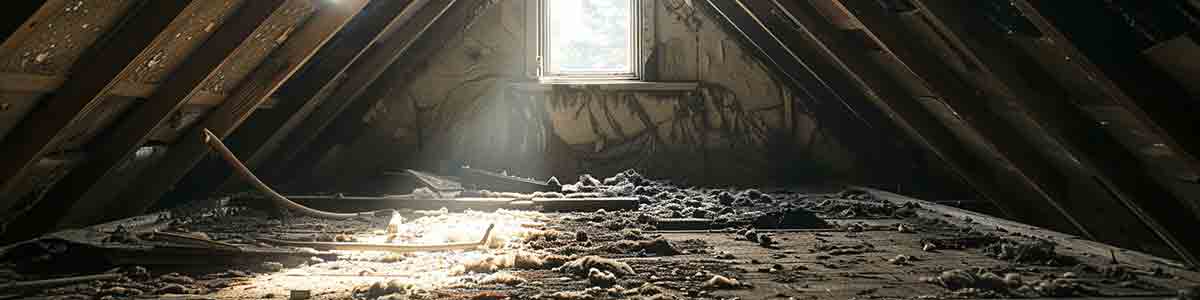
Attic insulation after roof leaks
Crawl spaces with poor ventilation
Behind drywall near plumbing lines
These hidden growth areas allow mold to spread without obvious visual signs, making professional inspections crucial.
Why DIY Mold Removal Rarely Solves the Problem
Many homeowners attempt to clean visible mold with household products. While wiping surfaces may temporarily improve appearance, it rarely addresses the actual source.
DIY cleaning typically fails because:
Moisture sources remain untreated
Mold roots penetrate porous materials
Spores spread during improper cleaning
Hidden colonies remain untouched
Without proper containment and moisture control, mold simply returns. Professional remediation focuses on both removal and prevention.
How Professional Mold Inspection and Testing Works
Professional inspections in North Miami Beach involve much more than visual checks. Experienced technicians use moisture detection equipment and testing methods to locate hidden problems.
Inspection steps often include:
Checking walls, ceilings, and floors with moisture meters
Inspecting attics, crawl spaces, and duct systems
Using thermal imaging to locate moisture pockets
Air and surface sampling when needed
Identifying leak sources and humidity problems
These techniques help determine the full scope of contamination, ensuring remediation targets the root problem.
What Proper Mold Remediation Involves
Once mold growth is confirmed, remediation focuses on safe removal and long-term prevention. Professional teams isolate affected areas to prevent spores from spreading through the building.
Remediation typically includes:
Removing contaminated materials when necessary
Cleaning and disinfecting affected surfaces
Using air filtration systems
Drying affected structures completely
Repairing moisture sources
Companies like Tip Top Water and Fire Damage Restoration frequently encounter situations where quick, proper remediation prevents expensive structural repairs later.
How Water Damage and Flooding Lead to Mold Growth
Flooding and water intrusion events are common in North Miami Beach, especially during storm season. Even minor water incidents can lead to mold growth if drying is delayed.
Water from storms, plumbing leaks, or overflowing AC systems can soak floors and walls within hours. If moisture remains trapped for more than a day or two, mold growth often begins.
Professional water removal and structural drying are critical steps in preventing mold outbreaks after any water incident.
Air Ducts and AC Systems: A Common Mold Source
Because homes in South Florida rely heavily on air conditioning, duct systems often become mold hotspots. Condensation buildup inside ducts or near cooling coils creates moist conditions ideal for mold.
Once mold develops inside HVAC systems, spores circulate throughout the building, affecting multiple rooms.
Inspections regularly uncover mold inside vents or near air handlers, especially in coastal homes with older or poorly maintained systems.
Routine duct cleaning and moisture control greatly reduce this risk.
Preventing Mold Problems in North Miami Beach Homes
While mold cannot be eliminated entirely, property owners can significantly reduce risk through preventive maintenance:
Fix leaks immediately
Ensure proper ventilation in bathrooms and kitchens
Maintain AC systems regularly
Use dehumidifiers in humid rooms
Inspect roofs and plumbing annually
Dry flooded areas quickly
Small maintenance steps often prevent large restoration projects later.
Why Local Experience Makes a Difference
Mold inspection challenges vary widely across regions. Professionals familiar with North Miami Beach understand local construction styles, weather patterns, and moisture risks unique to coastal living.
Local experience allows inspectors to identify problems faster and recommend solutions suited to Florida conditions. Trusted companies such as Tip Top Water and Fire Damage Restoration apply local knowledge gained from working across North Miami, Bal Harbour, Biscayne Park, Surfside, and surrounding communities.
This familiarity helps ensure inspections and remediation plans address real causes rather than temporary symptoms.
A Practical Next Step for Property Owners
If your property shows signs of moisture problems or unexplained indoor odors, scheduling a professional mold inspection is a smart precaution. Early inspections often reveal manageable issues before they become expensive repairs.
For homeowners, landlords, and property managers in North Miami Beach, proactive maintenance and inspections protect both property value and indoor comfort. Addressing moisture early is always easier and less costly than dealing with major restoration later.