
Mold Inspection in Bayfront Homes in North Miami: A Realistic Guide for Property Owners
Introduction: Mold Risks Are Higher in Bayfront Properties
Owning property along the bay in North Miami offers incredible views and access to coastal living, but it also comes with unique maintenance challenges. One of the most common and overlooked issues in bayfront homes is mold growth caused by constant moisture exposure.
Many property owners assume mold problems only follow flooding or major leaks. In reality, homes near Biscayne Bay experience steady humidity and salt-heavy air that can slowly introduce moisture into walls, ceilings, and air systems. Because mold often grows in hidden areas, professional inspections are essential for preventing serious damage.
Understanding inspection challenges helps homeowners, landlords, and property managers protect their investments and maintain comfortable living environments.
What Mold Issues Look Like in Coastal Homes
Mold thrives anywhere moisture remains trapped. In bayfront neighborhoods across North Miami, Sunny Isles Beach, and nearby waterfront communities, indoor moisture problems are extremely common.
Moisture often enters homes through small roof leaks, aging plumbing, AC condensation, or damp outdoor air constantly entering living spaces. Materials like drywall, insulation, wood framing, and carpets absorb moisture quickly, allowing mold colonies to grow unnoticed.
Because many of these areas are hidden, mold problems frequently spread long before residents realize there is an issue.
Why Mold Problems Occur Frequently in North Miami Bayfront Areas
Properties located along Biscayne Bay deal with constant humidity throughout the year. Even when there is no rain, the surrounding air contains moisture that slowly affects building materials.
During Florida’s rainy season, heavy storms push water into small openings around roofs, windows, and foundations. Flooding and storm surge events further increase moisture risks.
Additionally, many homes remain closed tightly for air conditioning efficiency. While this helps control temperature, it sometimes traps moisture indoors, creating perfect mold conditions.
Older bayfront properties in areas like Miami Shores, Aventura, and Surfside may also have outdated ventilation systems that worsen humidity problems.
Common Warning Signs Property Owners Notice
Although mold often grows out of sight, there are warning signs homeowners commonly report before inspections reveal larger issues.
These include persistent musty odors, discoloration on ceilings, bubbling paint, damp flooring, or recurring allergy-like discomfort indoors. Closets, storage rooms, and areas near exterior walls often feel humid even when the AC is running.
Another frequent sign is condensation forming on windows or air vents, which suggests moisture imbalance inside the home.
Recognizing these clues early allows property owners to schedule inspections before damage spreads.
Hidden Areas Where Mold Often Develops
One of the biggest inspection challenges is locating mold in areas homeowners rarely inspect. Professional mold inspections in North Miami bayfront homes commonly uncover growth in:
Behind kitchen or bathroom walls
Under flooring after unnoticed plumbing leaks
Inside air ducts and AC systems
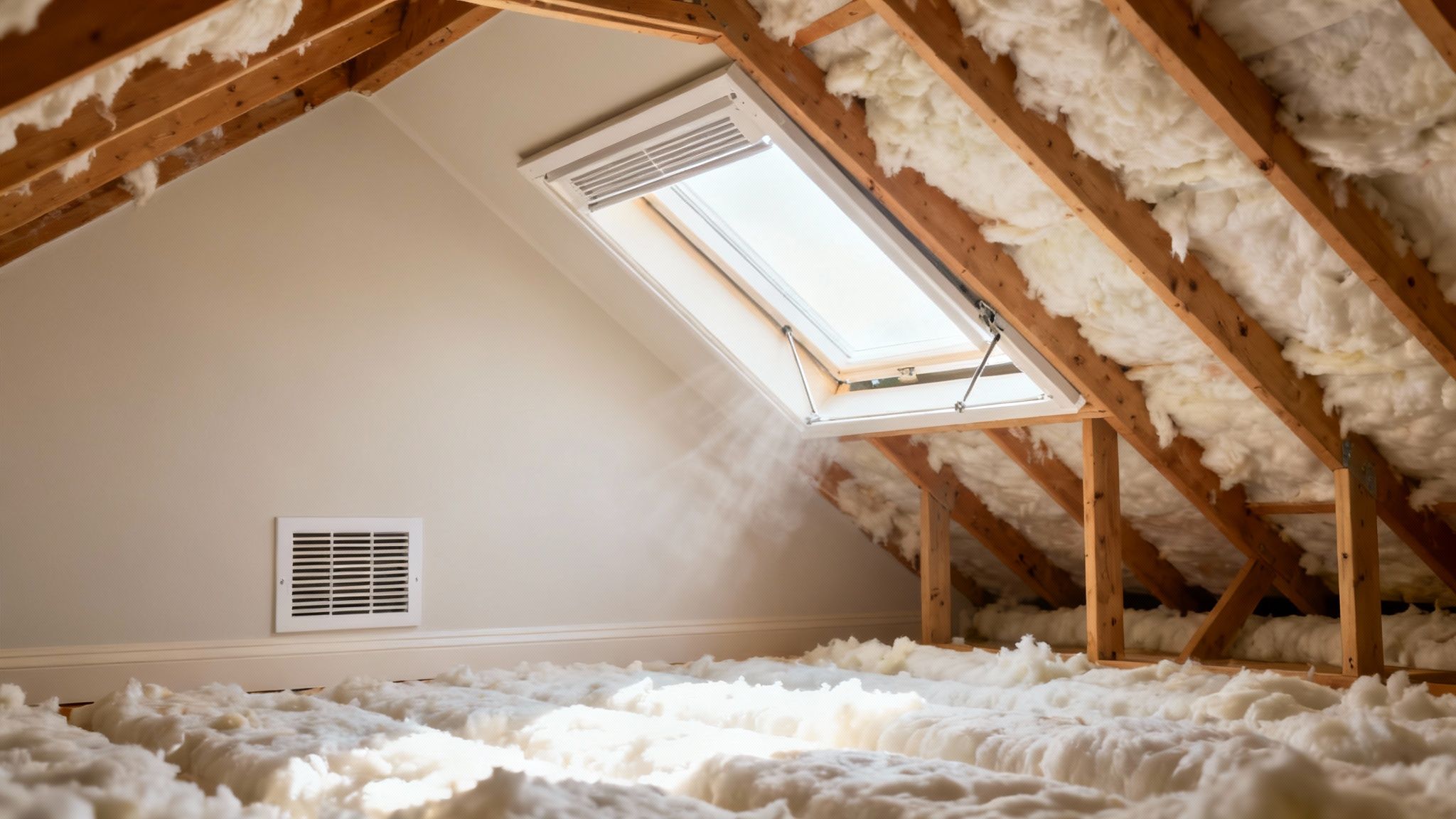
In attics following roof leaks
Within crawl spaces or under raised flooring
Behind built-in cabinets or closets near exterior walls
Because mold spreads quietly in these areas, visual inspections alone are often insufficient without proper equipment.
Why DIY Mold Cleanup Rarely Works
Property owners sometimes attempt to clean mold using bleach or household cleaners. While surfaces may look better temporarily, these methods rarely solve the actual problem.
DIY cleaning typically fails because moisture sources remain active. Mold roots penetrate porous materials, and improper cleaning can spread spores to new areas.
Without addressing humidity or leaks, mold quickly returns. Professional remediation focuses not only on removal but also on correcting conditions that allowed growth in the first place.
How Professional Mold Inspection and Testing Is Conducted
Professional inspections go beyond simply looking for visible mold. Experienced inspectors use specialized tools to detect moisture hidden behind surfaces.
Inspections often include moisture meter readings in walls and floors, attic and crawl space checks, thermal imaging scans to locate damp areas, and air or surface sampling when necessary.
These steps allow inspectors to determine how far mold has spread and identify the moisture source responsible for the problem.
Accurate diagnosis ensures remediation efforts are effective rather than temporary.
What Proper Mold Remediation Looks Like
Once mold is confirmed, remediation involves careful containment and removal of affected materials. Professionals seal off contaminated areas to prevent spores from spreading to clean spaces.
Remediation may involve removing damaged drywall, cleaning structural components, drying all affected materials, and repairing leaks or ventilation problems.
Teams experienced in local restoration work, including Tip Top Water and Fire Damage Restoration, frequently encounter cases where early remediation prevents significant structural damage and renovation costs.
Water Damage and Flooding’s Role in Mold Growth
Storms and flooding events regularly impact coastal communities in North Miami Beach and surrounding areas. Even small water intrusions can lead to mold if drying is delayed.
Water from storms, plumbing failures, or AC leaks quickly saturates materials inside walls and floors. If moisture remains trapped beyond a day or two, mold colonies often begin forming.
Professional water removal and structural drying immediately after water damage significantly reduce mold risk.
Air Ducts and AC Systems as Mold Sources
Air conditioning systems are essential in South Florida, but they can also become mold sources when condensation builds up.
Moisture inside ductwork or around air handlers creates ideal conditions for mold growth. Once present, spores circulate throughout the home, affecting indoor air quality.
Inspections often reveal contamination inside ducts, particularly in bayfront homes exposed to constant humidity. Routine AC maintenance and duct cleaning help prevent these issues.
Preventing Mold Problems in Bayfront Homes
While mold risks cannot be eliminated entirely in coastal environments, property owners can reduce problems through preventive maintenance.
Fix leaks quickly, ensure bathrooms and kitchens are properly ventilated, maintain air conditioning systems regularly, and monitor indoor humidity levels.
After storms or flooding, dry affected areas immediately. Annual property inspections also help identify small moisture problems before they become serious.
Consistent maintenance protects both property value and indoor comfort.
Why Local Inspection Experience Matters
Mold challenges in North Miami bayfront properties differ from inland homes. Local professionals understand how coastal air, storms, and building styles influence moisture problems.
Experienced inspectors familiar with North Miami, Sunny Isles Beach, Bal Harbour, Biscayne Park, and nearby communities know where mold typically develops and how to address it effectively.
Companies such as Tip Top Water and Fire Damage Restoration bring practical experience from working across these neighborhoods, helping property owners resolve mold problems efficiently.
A Practical Next Step for Property Owners
If your bayfront property shows signs of moisture issues or unexplained odors, scheduling a mold inspection is a smart preventive step. Early inspections often reveal manageable concerns before major repairs become necessary.
For homeowners and property managers in North Miami, proactive inspections and moisture control help preserve both property condition and living comfort. Addressing mold early is always easier and more affordable than dealing with widespread restoration later.