
Long-Term Protection Tips Related to Indoor Air Quality Improvement in Bayfront Homes in North Miami
Introduction: Why Indoor Air Quality Is a Growing Concern for Bayfront Homeowners
Living in a bayfront home in North Miami provides scenic views and coastal comfort, but waterfront properties also face unique environmental challenges. One of the most overlooked issues affecting these homes is indoor air quality. Because of constant humidity, salt-heavy air, and year-round AC use, maintaining clean and healthy indoor air requires continuous attention.
Many property owners only think about air quality when they notice odors or allergy-like discomfort. However, indoor air quality often declines slowly due to moisture problems, mold growth, and ventilation issues. Improving air quality is not just about comfort; it also helps protect building materials and reduces the need for repeated restoration work.
Understanding long-term protection strategies helps homeowners and property managers maintain healthier living spaces while protecting their property investments.
What Indoor Air Quality Problems Look Like in Coastal Homes
Indoor air quality problems often stem from moisture. When humid air becomes trapped indoors, mold, dust, and airborne contaminants increase. Bayfront homes experience this more frequently because coastal air constantly carries moisture indoors.
Common contributors include AC condensation, damp building materials, poor ventilation, and water intrusion after storms. Over time, these issues create environments where mold spores and airborne irritants circulate through homes.
Because air systems distribute air throughout the property, poor indoor air quality can affect every room even when the original problem is hidden in one location.
Why Bayfront Homes in North Miami Face Higher Risks
Homes along Biscayne Bay experience persistent humidity levels that remain high throughout the year. Even during dry weather, coastal air continues introducing moisture into buildings.
Summer storms and heavy rainfall worsen the problem by allowing water intrusion through roofs, windows, or foundations. After storms, moisture often remains trapped in walls or insulation, slowly degrading indoor air quality.
Additionally, homes in nearby communities such as Miami Shores, North Miami Beach, and Sunny Isles Beach frequently rely heavily on air conditioning. When systems are not maintained properly, condensation buildup and clogged drainage systems further contribute to indoor moisture.
Older bayfront homes sometimes lack proper ventilation, increasing humidity retention indoors.
Common Warning Signs of Poor Indoor Air Quality
Indoor air quality problems often develop gradually, making them easy to overlook. Property owners typically begin noticing small changes before realizing air quality is declining.
Common signs include persistent musty odors, frequent dust buildup, condensation forming on windows, increased indoor humidity, or recurring allergy-like symptoms when indoors.
Residents may also notice that certain rooms feel damp even when cooling systems are operating. Mold spotting in closets or near vents often indicates moisture problems affecting air circulation.
Recognizing these clues early helps homeowners act before major remediation becomes necessary.
Hidden Sources Affecting Indoor Air Quality
One challenge with air quality issues is that the source often remains hidden. Professional inspections regularly discover contamination in places homeowners rarely inspect.
These areas include attic insulation dampened by roof leaks, moisture inside air ducts, mold growth around AC units, or water trapped beneath flooring after minor leaks.
Bathrooms, kitchens, and closets along exterior walls also frequently harbor hidden moisture that slowly affects air quality.
Because these sources remain unseen, surface cleaning alone rarely improves conditions long-term.
Why DIY Air Quality Fixes Often Fail
Many homeowners attempt to solve indoor air problems by using air fresheners or portable filters. While these methods may temporarily improve comfort, they do not address underlying moisture or contamination sources.
DIY approaches often fail because humidity problems remain unresolved. Mold and bacteria continue growing behind surfaces, and airborne spores persist throughout the property.
Professional inspections and remediation identify root causes and correct moisture problems, providing lasting improvement rather than temporary relief.
Professional Inspection and Testing for Air Quality Issues
Professional air quality inspections involve evaluating both visible and hidden conditions affecting indoor environments. Inspectors examine ventilation systems, moisture levels, and potential mold growth areas.
Typical inspections include checking air ducts, inspecting AC systems, measuring humidity levels, and identifying water intrusion sources. Moisture meters and thermal imaging tools help locate hidden damp areas.
In some cases, air or surface samples are collected to better understand contamination levels. Accurate inspections ensure remediation targets real problems rather than symptoms.
How Mold Removal and Moisture Control Improve Air Quality
Mold removal plays a significant role in restoring indoor air quality. When mold colonies grow inside walls or ducts, spores spread throughout the home.
Professional remediation isolates affected areas, removes contaminated materials, and thoroughly dries structures to prevent mold recurrence. Fixing leaks and improving ventilation further helps maintain healthy indoor conditions.
Local restoration teams familiar with North Miami coastal conditions, including Tip Top Water and Fire Damage Restoration, frequently see improvements in indoor air quality after proper moisture control measures are implemented.
Water Damage Repair and Its Role in Air Quality Protection
Water damage often leads directly to indoor air quality problems. Even small leaks can allow moisture to soak into materials, creating mold growth that affects air circulation.
Prompt water removal and structural drying after storms or plumbing failures help prevent mold formation. Proper restoration ensures contaminated materials are removed and humidity levels return to safe ranges.
Long-term protection requires addressing vulnerabilities that allow water intrusion in the first place.
AC Systems and Air Duct Maintenance
Air conditioning systems play a major role in maintaining air quality in South Florida homes. However, poorly maintained systems can also become contamination sources.
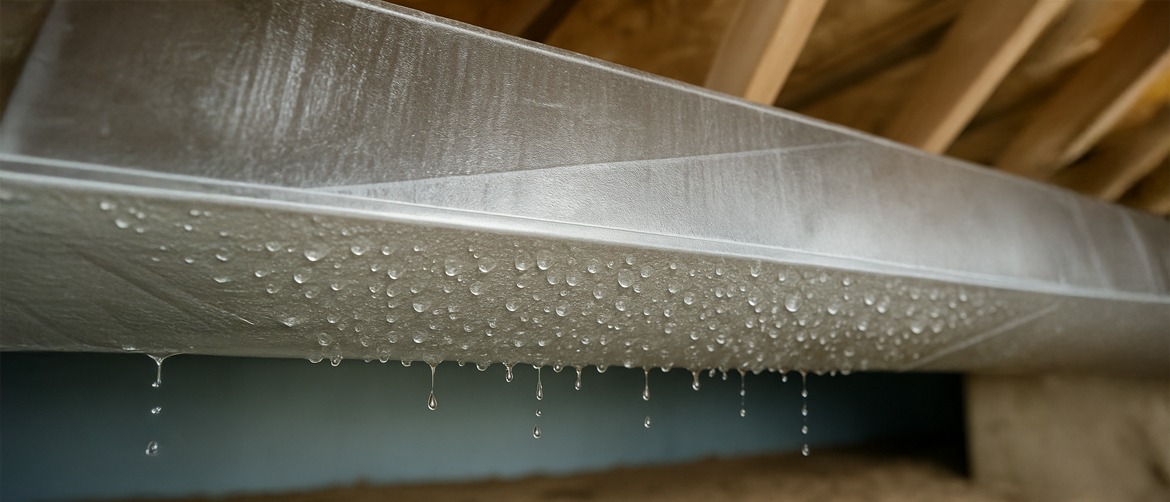
Condensation buildup inside ducts or clogged drain lines create moisture conditions where mold can thrive. Once mold forms inside ducts, spores circulate throughout the home.
Routine maintenance, duct cleaning, and ensuring proper drainage significantly reduce this risk. Monitoring humidity levels also helps prevent condensation problems.
Long-Term Protection Tips for Property Owners
Maintaining indoor air quality requires consistent maintenance and moisture control. Property owners can improve long-term conditions by repairing leaks quickly, maintaining AC systems regularly, and ensuring bathrooms and kitchens are properly ventilated.
Using dehumidifiers in humid rooms, cleaning air filters frequently, and scheduling annual inspections help prevent moisture buildup. After storms, inspecting properties quickly for water intrusion prevents lingering humidity problems.
Simple preventive steps help maintain healthier living conditions while protecting building materials.
Why Local Experience Matters for Air Quality Improvement
Indoor air quality challenges vary by region, and coastal communities face unique moisture conditions. Professionals familiar with North Miami bayfront properties understand how humidity, storms, and construction styles influence indoor environments.
Experienced teams serving North Miami Beach, Biscayne Park, Surfside, and surrounding areas recognize common moisture sources in waterfront homes and provide solutions tailored to local conditions.
Companies like Tip Top Water and Fire Damage Restoration apply practical experience from working across coastal neighborhoods, helping property owners maintain healthier indoor spaces.
A Practical Next Step for Property Owners
If your bayfront home shows signs of humidity problems, musty odors, or recurring moisture issues, scheduling an inspection is a wise preventive step. Early action prevents mold growth and costly restoration projects.
For property owners in North Miami, maintaining indoor air quality means protecting both comfort and property value. Long-term attention to moisture control and ventilation ensures healthier living environments while preventing recurring repair costs in coastal homes.