
What Really Causes the Need for Water Damage Repair in Bal Harbour
Introduction: Water Damage Often Starts Long Before You See It
Bal Harbour is known for its upscale coastal living, beautiful waterfront residences, and modern condominium buildings. Yet even in well-maintained properties, water damage remains one of the most common reasons homeowners and property managers must call restoration professionals.
Many residents assume water damage only occurs after major storms or flooding events. In reality, most repair projects in Bal Harbour begin with small, unnoticed moisture problems that grow over time. By the time visible damage appears, repairs may already be extensive.
Understanding what truly causes water damage helps property owners prevent future problems and reduce restoration costs. Recognizing risks early can protect both property value and indoor comfort.
Understanding Water Damage in Coastal Homes
Water damage occurs whenever moisture enters areas not designed to handle it. Once water reaches walls, ceilings, or flooring, it quickly spreads through building materials.
Drywall, insulation, wood framing, and flooring absorb moisture easily. Over time, materials weaken, paint peels, and surfaces begin to warp. If drying is delayed, mold growth often follows.
In many Bal Harbour properties, water damage spreads quietly behind walls or under flooring, making detection difficult until damage becomes visible.
Water damage repair becomes necessary once materials are saturated or structural components begin to deteriorate.
Why Water Damage Happens So Frequently in Bal Harbour
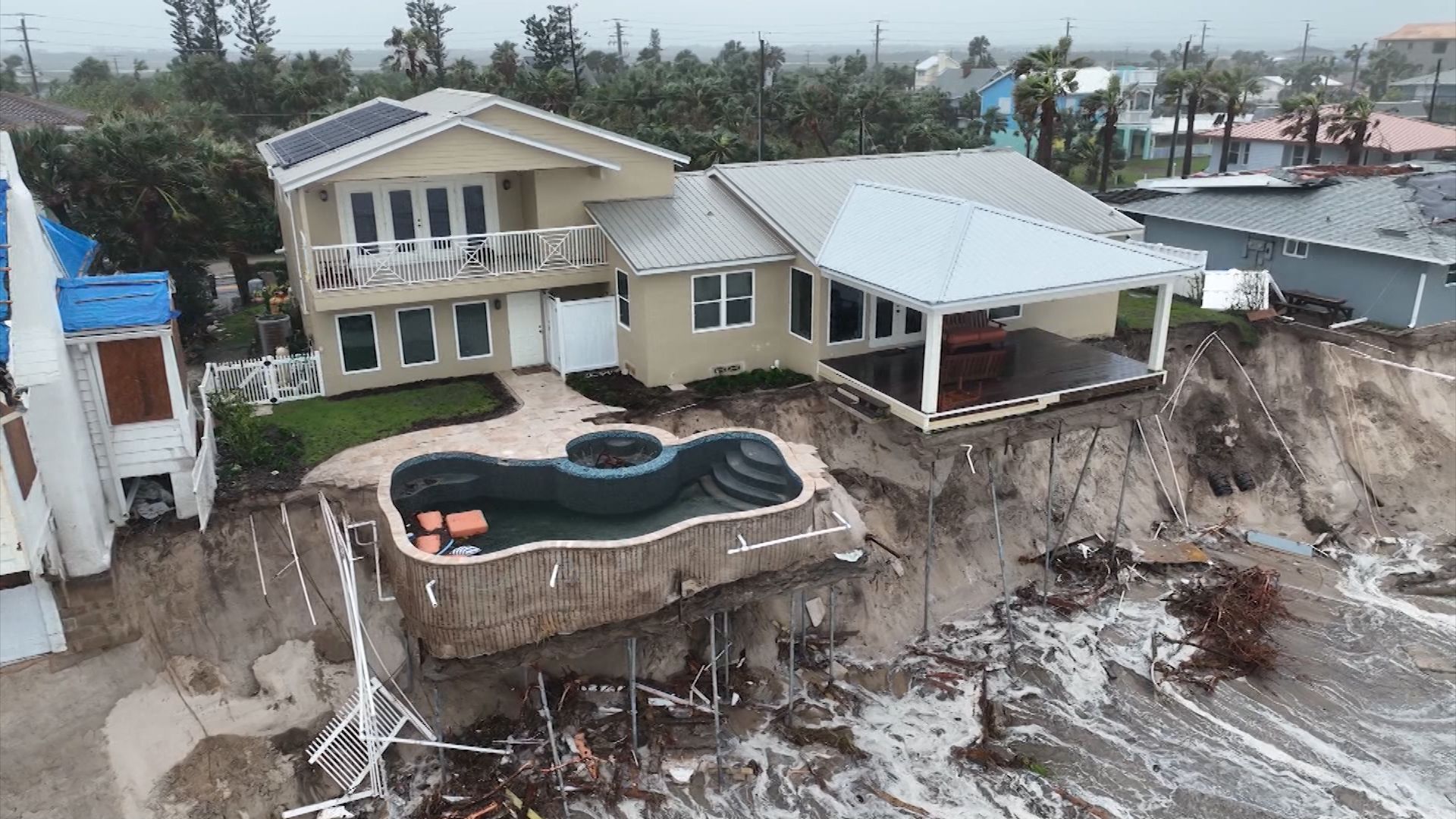
Bal Harbour’s coastal location plays a major role in moisture-related problems. Homes and condominiums are constantly exposed to humid air, saltwater conditions, and seasonal storms.
Wind-driven rain during storms often finds its way through small openings around windows, roofs, or balconies. Even minimal intrusion can slowly soak building materials.
High-rise condominiums face additional risks because plumbing systems serve multiple units. A leak in one apartment may cause damage in another, sometimes without the affected resident knowing the source.
Nearby coastal communities such as Surfside, Sunny Isles Beach, and North Miami Beach experience similar conditions, making water damage repair common throughout the region.
Plumbing Leaks: A Leading Cause of Damage
One of the most frequent causes of water damage repair in Bal Harbour homes is hidden plumbing leaks. Pipes weaken over time, connections loosen, and corrosion can cause slow leaks inside walls or ceilings.
These leaks often go unnoticed because water spreads behind surfaces. By the time stains or damp spots appear, damage may already be widespread.
Leaks commonly occur beneath sinks, behind showers, around water heaters, or within shared plumbing lines in condominiums. Slow drips can cause significant structural damage over months without residents realizing anything is wrong.
Routine inspections help catch plumbing problems before repairs become extensive.
Air Conditioning Systems and Condensation Problems
Air conditioning systems are essential in South Florida, but they also create moisture risks when not properly maintained. AC units remove humidity from indoor air, producing large amounts of condensation.
This moisture normally drains outside through condensate lines. However, clogged or damaged drainage systems allow water to overflow into ceilings, walls, or closets.
Because many AC units are located in attics or utility closets, leaks often remain hidden until water damage appears indoors. Continuous summer operation increases the likelihood of drainage problems.
Regular AC maintenance significantly reduces condensation-related damage.
Roof and Balcony Intrusion After Storms
Storms regularly impact Bal Harbour, and even when properties avoid flooding, water intrusion often occurs through roofing or balcony areas.
Roof materials degrade over time, allowing rainwater to seep into attic spaces. Balcony doors and sliding glass systems may also allow water entry when seals wear out.
Water entering through these openings spreads into ceilings and wall cavities. Because intrusion may be minimal during each storm, damage accumulates slowly over multiple seasons.
Property owners sometimes discover damage months after storms, when ceiling stains or mold growth finally appear.
Regular roof and exterior inspections help prevent hidden water entry.
Aging Building Infrastructure
Many condominium buildings and homes in Bal Harbour were constructed decades ago. Even well-maintained properties eventually experience wear in plumbing systems, waterproofing materials, and structural components.
Older piping systems are more prone to corrosion and leakage. Waterproof membranes protecting roofs and balconies may deteriorate over time, allowing moisture to enter.
When maintenance or updates are delayed, water intrusion becomes increasingly likely. Restoration professionals frequently observe damage in buildings where aging infrastructure has not been upgraded.
Preventive upgrades help reduce long-term risks.
Hidden Moisture and Delayed Repairs
Another major cause of repair needs is delayed response after minor water incidents. Homeowners sometimes dry visible water but overlook moisture trapped inside walls or flooring.
Even small water events—such as appliance leaks or overflowing sinks—can allow moisture to remain hidden. Over time, trapped water weakens materials and encourages mold growth.
Professional water removal and structural drying are critical after any intrusion. Restoration teams often find that homes appearing dry still contain hidden moisture requiring treatment.
Quick action greatly reduces repair costs.
Tenant or Neighboring Unit Leaks in Condominiums
In condominium buildings common throughout Bal Harbour, leaks sometimes originate from neighboring units. Water may travel through shared walls or ceilings before becoming visible.
Residents often discover water damage without knowing its origin. Repair projects frequently require coordination between multiple units or building management.
Routine building inspections and communication among residents help identify problems earlier and prevent widespread damage.
Why DIY Cleanup Often Leads to Bigger Repairs
Homeowners sometimes attempt to handle water cleanup themselves after small leaks. While removing visible water helps, hidden moisture often remains untreated.
DIY cleanup usually lacks professional drying equipment needed to eliminate moisture inside structures. Over time, trapped water causes deterioration or mold growth.
Professional restoration includes moisture detection and complete drying, ensuring problems do not return later.
Early professional assistance typically reduces overall repair costs.
How Professional Water Damage Repair Works
Professional repair begins by identifying the water source and stopping further intrusion. Restoration teams then extract standing water and measure moisture levels inside affected areas.
Air movers and dehumidifiers remove trapped moisture, while thermal imaging tools locate hidden damp areas. Damaged materials may be removed if drying is not possible.
Restoration professionals familiar with coastal communities, including Tip Top Water and Fire Damage Restoration, frequently observe that rapid response significantly limits structural damage.
Complete drying and repair restore properties to safe living conditions.
Long-Term Prevention Tips for Property Owners
Preventing future water damage requires consistent maintenance rather than waiting for problems to appear. Property owners should inspect plumbing connections regularly and replace aging pipes when necessary.
Maintaining roofing systems and sealing windows and balconies helps prevent stormwater intrusion. Air conditioning systems should receive routine maintenance to prevent condensation leaks.
Installing water sensors near appliances and plumbing areas provides early warning when leaks begin. After storms, properties should be inspected quickly even when flooding appears minimal.
Preventive action helps preserve both indoor comfort and long-term property value.
Why Local Experience Matters in Water Damage Repair
Water damage challenges vary depending on climate and construction style. Professionals familiar with Bal Harbour properties understand how coastal humidity, storms, and condominium layouts influence moisture risks.
Teams serving Bal Harbour, North Miami, Surfside, and surrounding communities recognize common vulnerabilities and apply solutions suited to local conditions.
Companies such as Tip Top Water and Fire Damage Restoration bring practical experience gained across coastal neighborhoods, helping property owners resolve moisture problems efficiently.
Local expertise ensures restoration efforts address real environmental challenges.
A Practical Next Step for Property Owners
If your property has experienced leaks, storm exposure, or unexplained moisture issues, scheduling a professional inspection is a smart preventive step. Early detection prevents small problems from becoming major repair projects.
For homeowners and property managers in Bal Harbour, proactive maintenance and timely repairs protect both property value and indoor comfort. Addressing water damage causes early ensures coastal homes remain safe while avoiding repeated restoration expenses in the future.