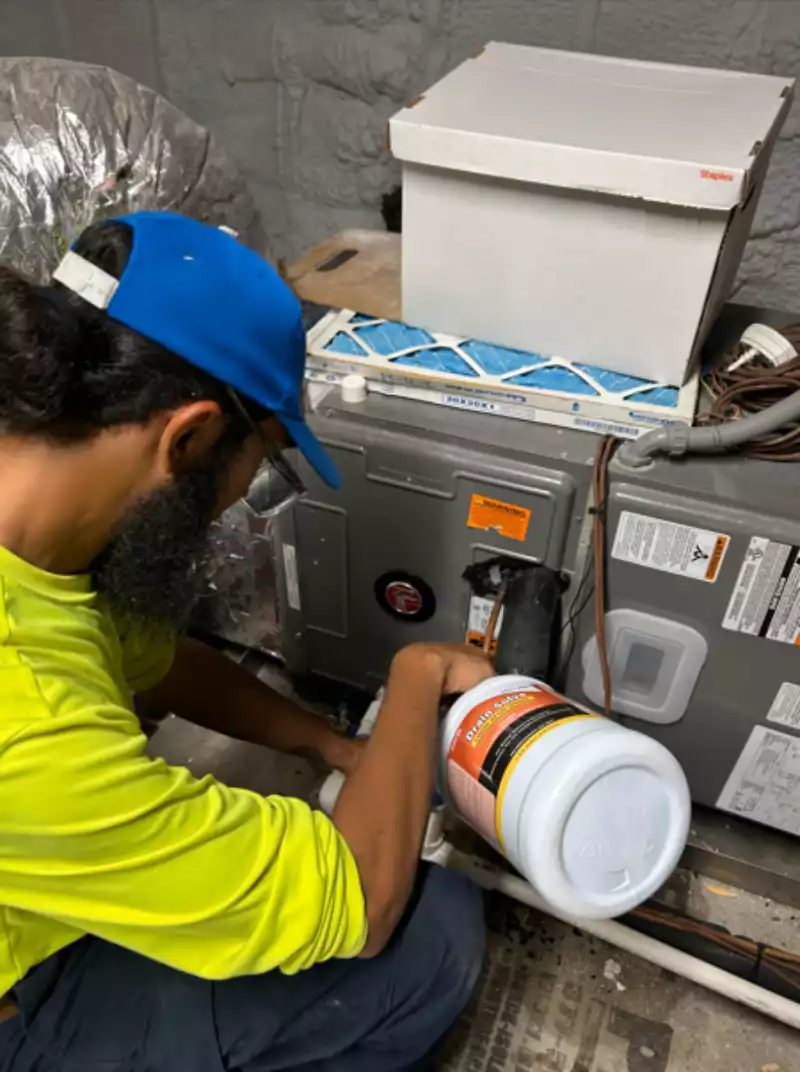
A Property Owner’s Guide to AC Moisture Repair in Biscayne Park
Biscayne Park, along with nearby communities including North Miami, Miami Shores, Aventura, North Miami Beach, Sunny Isles Beach, Surfside, and Bal Harbour, is known for its lush residential streets, charming homes, and warm coastal climate. While these neighborhoods offer comfortable living, the Florida heat and humidity create unique challenges for homeowners—particularly when it comes to air conditioning systems and moisture control.
AC units are essential for comfort in Biscayne Park homes, but they also produce condensation as part of their cooling process. When this moisture is not properly managed, it can cause water damage, mold growth, structural issues, and poor indoor air quality. Understanding AC moisture repair, its early warning signs, and long-term preventive strategies is critical for property owners who want to protect their homes and investment.
How AC Systems Generate Moisture
Air conditioning systems cool indoor air by removing heat and humidity. This process produces condensation, which typically drains through condensate lines and pans. In properly maintained systems, this moisture is safely directed outside or to a drainage system. However, several factors can disrupt this process in Biscayne Park homes:
- Clogged condensate lines: Debris, algae, or sediment can block drainage, causing water to back up.
- Overflowing or damaged pans: Drip pans that are cracked or improperly installed can leak moisture onto floors or ceilings.
- Poor insulation: Cold surfaces without proper insulation can cause excess condensation, especially in high-humidity conditions.
- Improper slope of drain lines: Condensate may stagnate or pool, creating a breeding ground for mold and bacteria.
- Neglected maintenance: Irregular AC servicing increases the likelihood of moisture-related problems.
When condensation isn’t effectively removed, it can seep into walls, floors, and ductwork, compromising structural materials and indoor air quality.
Why AC Moisture Repair Is Critical
Neglecting AC moisture repair can result in significant issues for property owners in Biscayne Park:
- Mold and mildew growth: Persistent moisture promotes microbial activity on walls, ceilings, ducts, and insulation.
- Structural damage: Water can weaken drywall, subfloors, and wooden framing.
- HVAC system inefficiency: Moisture buildup can reduce cooling efficiency and increase energy costs.
- Unpleasant odors: Musty smells often develop from stagnant water and microbial growth.
- Health concerns: Mold spores, bacteria, and allergens can circulate through the HVAC system, impacting indoor air quality.
Prompt attention to moisture problems in AC systems prevents costly repairs and protects both the home and its occupants.
Early Warning Signs of AC Moisture Issues
Property owners should monitor their systems for subtle signs of moisture-related problems:
- Pooling water around the AC unit: Visible water near indoor units or air handlers indicates a drainage issue.
- Musty or moldy odors: Odors in vents or near the AC system often suggest microbial growth due to trapped moisture.
- Reduced airflow or strange sounds: Water accumulation may obstruct components, affecting performance.
- Water stains on ceilings or walls: Discoloration near AC units can indicate leaks or condensation problems.
- Frequent humidity spikes indoors: Poor drainage can cause elevated indoor humidity despite AC operation.
Early detection allows property owners to address problems before they escalate into serious damage.
Hidden Sources of Moisture
Even when visible signs are absent, hidden moisture can compromise homes:
- Inside ductwork: Moisture in ducts can circulate spores and allergens throughout the house.
- Behind walls and ceilings: Condensation leaks from AC units can seep into cavities, promoting mold growth.
- Attics and crawl spaces: Duct condensation in enclosed spaces can cause hidden water accumulation.
- Subflooring: AC drip pan overflow or leaks from condensate lines can saturate flooring materials.
Professional AC moisture inspections often reveal these hidden sources, ensuring comprehensive repair and long-term protection.
Why DIY AC Moisture Repair Often Fails
Homeowners may attempt to address minor AC moisture issues themselves by clearing debris or adjusting drip pans. While small interventions can help, DIY methods often fail to fully resolve the problem:
- Blockages may remain undetected deep inside condensate lines or ductwork.
- Moisture trapped in walls, ceilings, or flooring is usually overlooked.
- Mold growth may continue in hidden areas without professional remediation.
- Inadequate repairs can lead to repeated leaks, inefficiency, and escalating damage.
Professional AC moisture repair combines inspection, extraction, cleaning, and preventive measures to ensure the system functions properly and safely.
Professional AC Moisture Repair Process
Experts in Biscayne Park follow a detailed approach to repair moisture issues:
- Assessment: Inspect AC units, ductwork, drain lines, drip pans, and surrounding areas for moisture and potential leaks.
- Cleaning: Remove debris from condensate lines, pans, and coils.
- Repair: Fix damaged or misaligned components, including pans, lines, or insulation.
- Drying: Use industrial-grade dehumidifiers or air movers to remove residual moisture.
- Sanitization: Treat ducts, coils, and surrounding areas with antimicrobial agents to prevent mold growth.
- Monitoring: Reassess moisture levels and system performance to confirm proper function.
This structured process protects both the HVAC system and the home, reducing long-term risks.
Long-Term Protection Tips for AC Moisture
To prevent recurring moisture issues in Biscayne Park homes, property owners can implement these strategies:
- Schedule regular AC maintenance: Seasonal inspections help identify and fix potential issues before they escalate.
- Keep drain lines clear: Regularly flush condensate lines and ensure proper slope to avoid water backup.
- Install safety devices: Overflow sensors or float switches can detect water accumulation and shut off the system if necessary.
- Improve insulation: Insulate cold surfaces, ducts, and refrigerant lines to minimize condensation.
- Control indoor humidity: Use dehumidifiers or ventilation to maintain indoor humidity between 30–50%.
- Inspect ducts and ventilation: Professional duct cleaning reduces moisture buildup and airborne spores.
Implementing these preventive measures ensures that AC systems operate efficiently and that homes remain dry and safe.
Why Local Expertise Matters
Biscayne Park and nearby coastal neighborhoods face unique challenges: high humidity, coastal storms, and salt-laden air can accelerate AC moisture problems. Local experts provide:
- Knowledge of moisture-related issues specific to Florida coastal homes
- Experience addressing hidden leaks in ductwork, drip pans, and walls
- Tailored maintenance strategies for neighborhoods including North Miami, Miami Shores, Aventura, North Miami Beach, Sunny Isles Beach, Surfside, and Bal Harbour
- Hands-on solutions combining water extraction, drying, sanitization, and preventive maintenance
Tip Top Water and Fire Damage Restoration offers local expertise that ensures effective AC moisture repair and long-term protection.
Calm, Trust-Based Call to Action
AC moisture issues in Biscayne Park homes may seem minor at first, but untreated water accumulation can lead to mold growth, structural damage, and poor indoor air quality. Professional AC moisture repair addresses both visible and hidden problems, restores efficiency, and prevents long-term damage. By combining expert inspections, targeted repairs, and preventive maintenance, property owners can protect their homes from recurring moisture issues and maintain a safe, comfortable, and healthy living environment. Partnering with a trusted local company ensures comprehensive solutions tailored to Florida’s coastal conditions.