
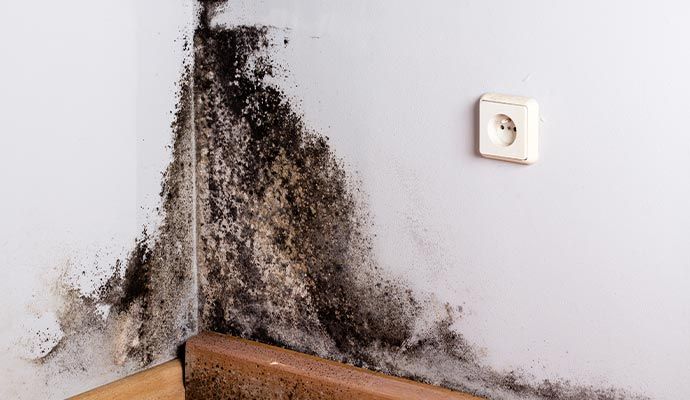
A Property Owner’s Guide to Black Mold Removal in Bal Harbour
Owning property in Bal Harbour means ocean views, high-end finishes, and carefully maintained buildings. But even in luxury condos and waterfront homes, one factor remains constant: moisture.
Between Atlantic Ocean exposure, wind-driven rain, sealed high-rise construction, and nonstop air conditioning use, Bal Harbour properties operate in a humidity-heavy environment. When moisture goes unnoticed, black mold can develop behind walls, beneath flooring, and inside HVAC systems.
Black mold removal in Bal Harbour is not about surface cleaning. It’s about identifying moisture sources, stabilizing the environment, and preventing recurrence in a coastal setting that constantly challenges building materials.
If you’re a homeowner, condo owner, or property manager in Bal Harbour, here’s what you need to know.
What “Black Mold” Really Means
The term “black mold” is often used to describe dark mold growth on drywall, wood, or other surfaces. In reality, the color doesn’t define the severity — moisture does.
In Bal Harbour properties, black mold typically appears:
- Along baseboards near sliding doors
- Inside air handler closets
- Beneath laminate or wood flooring
- On drywall near plumbing fixtures
- Inside closets with limited airflow
The visible staining is often only a small part of the problem. Growth frequently extends inside wall cavities where moisture has lingered.
Why Bal Harbour Properties Are Vulnerable
Bal Harbour faces several environmental pressures:
- High year-round humidity
- Ocean-facing exposure
- Salt-heavy coastal air
- Hurricane-season storms
- Wind-driven rain
- Sealed high-rise construction
Even minor leaks behave differently here than in dry climates. Moisture evaporates slowly, especially inside insulated walls or beneath flooring.
When materials remain damp for 24–48 hours, mold can begin forming.
Common Causes of Black Mold in Bal Harbour
Understanding the source is critical before removal begins.
1. Sliding Glass Door and Window Intrusion
Ocean-facing units often experience wind-driven rain intrusion through deteriorated seals.
Water may enter wall cavities without obvious interior flooding.
2. AC Condensate Line Failures
Air conditioning systems run nearly year-round. Clogged drain lines or rusted drain pans frequently cause moisture buildup inside closets.
3. Plumbing Leaks
Supply line leaks under sinks or inside shared condo walls can create hidden saturation.
4. Roof or Balcony Drainage Issues
Flat roof sections and balcony drains can back up during heavy storms.
5. Slab Moisture Migration
In ground-level properties, groundwater pressure may cause moisture to rise through slab foundations.
Without identifying the moisture source, mold removal becomes temporary.
Why DIY Mold Cleaning Often Fails
Many property owners attempt to:
- Spray bleach
- Scrub visible staining
- Paint over affected areas
These steps may improve appearance temporarily, but they do not:
- Remove moisture inside materials
- Eliminate contamination in insulation
- Contain airborne spores
- Address HVAC contamination
In Bal Harbour’s humid coastal climate, mold frequently returns if moisture remains untreated.
Professional remediation focuses on structural stabilization, not cosmetic improvement.
The Mold Removal Process Explained
Effective black mold removal follows a structured approach.
1. Moisture Detection
Before removal begins, moisture mapping identifies affected areas using:
- Thermal imaging
- Pin moisture meters
- Non-invasive surface meters
- Slab probes
- HVAC inspection
Without defining the scope, hidden contamination may remain.
2. Containment
Plastic barriers isolate affected areas to prevent spore spread.
In high-rise condos, containment protects neighboring units.
3. Air Filtration
HEPA air scrubbers reduce airborne spores during removal.
4. Removal of Contaminated Materials
Saturated drywall, insulation, carpet padding, or cabinetry may require removal.
Porous materials often cannot be fully cleaned once heavily contaminated.
5. Structural Cleaning
Framing, concrete block, and other structural components are cleaned appropriately.
6. Dehumidification
Industrial dehumidifiers stabilize moisture levels.
In coastal humidity, drying must be carefully monitored.
7. Verification
Moisture readings confirm dryness before rebuilding begins.
Skipping verification often leads to recurrence.
The High-Rise Building Factor
Bal Harbour is dominated by high-rise condominiums.
In these buildings, moisture can travel:
- Through shared plumbing stacks
- Across slab penetrations
- Between units
- Inside duct chases
Containment and moisture detection must account for vertical and horizontal spread.
Black mold removal in high-rises requires coordination and careful inspection to prevent cross-contamination.
HVAC Systems and Mold Circulation
Air conditioning systems frequently play a role in mold cases.
Moisture inside duct insulation or air handler closets can circulate spores throughout the unit.
Air duct cleaning may be necessary during remediation.
If HVAC systems are not inspected, mold can reappear even after wall repairs.
The Mold and Water Damage Connection
Most black mold cases in Bal Harbour begin with water damage.
Common triggers include:
- Roof leaks
- Plumbing failures
- Balcony intrusion
- AC overflow
- Storm-related water intrusion
Prompt water removal and structural drying often prevent mold from developing.
Moisture control is the foundation of prevention.
Preventing Recurrence After Removal
After mold remediation, long-term protection depends on maintenance.
Property owners should:
- Maintain AC condensate systems
- Monitor indoor humidity (45%–55%)
- Inspect window and door seals
- Schedule post-storm inspections
- Address leaks immediately
- Conduct periodic moisture detection
Oceanfront properties require extra vigilance due to salt air and wind exposure.
Routine inspection reduces repeat issues.
Salt Air and Material Deterioration
Salt-heavy air accelerates:
- Seal deterioration
- Corrosion of fasteners
- HVAC component wear
- Flashing breakdown
Over time, weakened seals increase the likelihood of moisture intrusion.
Regular building envelope inspections support long-term mold prevention.
Why Local Experience Matters
Black mold removal in Bal Harbour requires understanding:
- Oceanfront wind patterns
- High-rise ventilation systems
- Concrete slab moisture behavior
- Salt air corrosion
- Hurricane-driven rain intrusion
Professionals familiar with Bal Harbour, Surfside, and Sunny Isles Beach know where moisture typically hides in these properties.
Tip Top Water and Fire Damage Restoration approaches black mold removal with local knowledge, focusing on complete moisture stabilization rather than surface-level cleanup.
Experience reduces recurrence.
A Practical Approach for Property Owners
Black mold removal in Bal Harbour is manageable when approached methodically.
If you notice:
- Musty odors
- Dark staining
- Persistent humidity
- Warped flooring
- AC performance changes
Act early.
Identify the moisture source. Contain the area. Remove contaminated materials. Dry completely. Verify moisture stability before rebuilding.
In a humid coastal environment, moisture management is ongoing — not occasional.
Handled properly, black mold becomes a maintenance issue rather than a structural crisis.
In Bal Harbour, long-term protection begins with controlling moisture.