
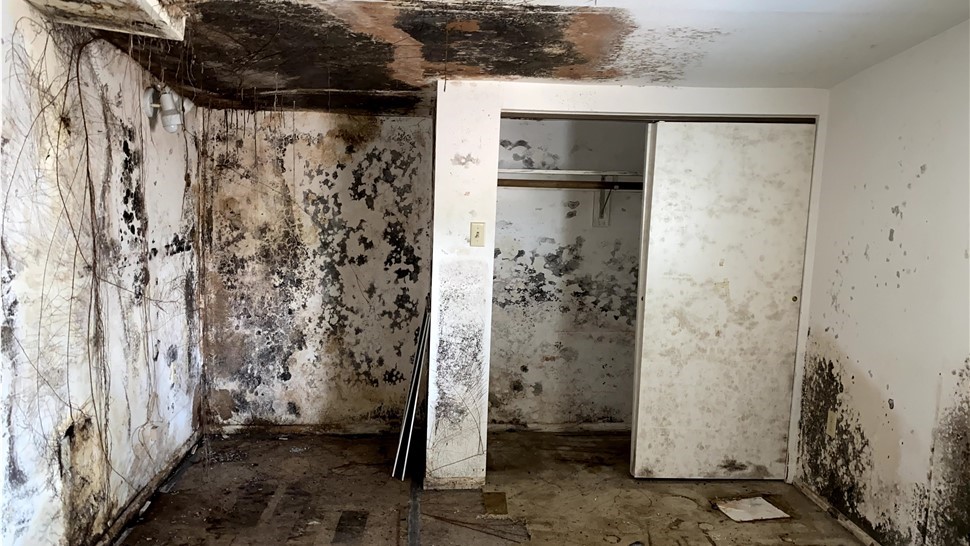
A Property Owner’s Guide to Black Mold Removal in Sunny Isles Beach
Sunny Isles Beach offers ocean views, high-rise luxury living, and steady coastal breezes. But behind those glass balconies and polished interiors, moisture is a constant presence. And when moisture lingers, black mold can follow.
For property owners in Sunny Isles Beach — whether managing a beachfront condo, a rental unit, or a second home — understanding black mold removal isn’t just about cleanup. It’s about protecting long-term property value in a climate where humidity never fully disappears.
Here’s what you need to know.
What “Black Mold” Really Means
The term “black mold” is commonly used to describe dark-colored mold growth, often associated with prolonged moisture exposure. In coastal South Florida, dark mold growth frequently appears after:
- AC condensation problems
- Plumbing leaks
- Balcony door seal failures
- Roof intrusion during storms
- High humidity lasting for weeks
In Sunny Isles Beach condos, mold often develops behind walls, inside AC closets, or within duct insulation before becoming visible.
Color alone doesn’t determine severity. What matters most is moisture source, spread pattern, and structural impact.
Why Black Mold Is Common in Sunny Isles Beach
Coastal conditions create a perfect environment for mold growth:
- Year-round humidity
- Salt-heavy air
- Continuous AC operation
- Wind-driven rain
- Slab construction in high-rise buildings
- Limited ventilation in interior rooms
Even in newer luxury buildings along Collins Avenue, tightly sealed construction can trap moisture if airflow isn’t properly balanced.
In high-rise units, shared plumbing stacks and ventilation shafts can introduce hidden moisture between floors.
Early Signs Property Owners Should Watch For
Black mold rarely appears overnight. It often begins as subtle changes.
Common early indicators include:
- Musty odor when entering the unit
- Dark spots along ceiling edges
- Paint bubbling on exterior-facing walls
- Damp smell in closets
- Discoloration around AC vents
- Warped baseboards
In ocean-adjacent units near Bal Harbour and Aventura, salt air can accelerate AC component corrosion, increasing condensate leak risk.
The earlier mold is identified, the less invasive removal becomes.
Hidden Areas Where Black Mold Develops
In Sunny Isles Beach properties, mold often forms in concealed areas:
Inside AC Closets
Clogged drain lines or rusted pans create constant moisture.
Behind Built-In Cabinetry
Exterior walls trap humid air.
Inside Duct Insulation
Condensation in attic or ceiling duct systems.
Under Flooring
Moisture migrating through slab foundations.
Attic Roof Decking (in single-family homes)
Poor ventilation leads to condensation buildup.
Because these areas are not routinely visible, professional moisture detection is often necessary.
Why Surface Cleaning Doesn’t Work
Wiping visible mold with household cleaners does not solve the problem.
Mold roots into porous materials such as:
- Drywall
- Insulation
- Wood framing
- Carpet padding
If moisture remains present, mold returns — often spreading further.
Painting over affected areas traps contamination behind the surface and allows odor to persist.
The Black Mold Removal Process
Effective removal involves controlled remediation, not simple cleaning.
Step 1: Moisture Source Identification
Before removal begins, the source must be corrected. This may involve AC repair, plumbing repair, or improving ventilation.
Step 2: Containment
Affected areas are isolated using plastic barriers and negative air machines to prevent spore spread.
Step 3: Air Filtration
Air scrubbers remove airborne spores during removal.
Step 4: Removal of Contaminated Materials
Drywall, insulation, or other porous materials may need safe removal.
Step 5: Cleaning of Structural Components
Non-porous surfaces are cleaned using appropriate methods.
Step 6: Post-Remediation Moisture Verification
Humidity and moisture levels must be confirmed stable.
In coastal Florida, skipping moisture correction guarantees recurrence.
AC Systems and Black Mold
In Sunny Isles Beach, AC systems are often directly involved.
Common AC-related contributors include:
Clogged condensate drains
Corroded drain pans
Oversized units short-cycling
Leaky ductwork pulling humid air
Insulation breakdown in attic ducts
Attic-based duct systems in nearby North Miami Beach and Miami Shores homes are especially prone to condensation.
Routine AC maintenance significantly reduces mold risk.
High-Rise Condo Considerations
High-rise buildings present unique challenges:
Shared plumbing lines
Stacked ventilation systems
Limited attic access
Concrete slab moisture retention
Moisture may originate from neighboring units and travel through wall cavities.
In these cases, coordination with building management is necessary to address shared infrastructure.
Long-Term Prevention Strategies
After black mold removal, prevention is critical.
Maintain Indoor Humidity
Keep levels ideally between 45–55%.
Service AC Systems Twice Per Year
Coil cleaning and airflow balancing reduce condensation.
Flush Drain Lines Regularly
Prevent overflow in AC closets.
Seal Balcony Doors and Windows
Wind-driven rain is common near the beach.
Improve Bathroom and Kitchen Ventilation
Ensure exhaust fans vent properly.
Inspect After Storm Season
Heavy rains can introduce hidden moisture.
Upgrade Duct Insulation
Prevent condensation in ceiling cavities.
Install Leak Detection Sensors
Early alerts reduce prolonged moisture exposure.
Rental and Investment Property Considerations
Landlords in Sunny Isles Beach should prioritize routine inspections.
Tenants may not recognize early signs of moisture.
Documenting humidity readings and maintenance helps prevent disputes and protects long-term property value.
Why Local Experience Matters
Black mold removal in Sunny Isles Beach differs from inland cities.
Understanding how:
- Ocean humidity interacts with building materials
- Salt air accelerates metal corrosion
- Slab construction retains moisture
- High-rise ventilation spreads contaminants
allows for more accurate diagnosis and prevention.
Tip Top Water and Fire Damage Restoration has worked in Sunny Isles Beach condos where recurring mold problems were resolved only after duct insulation and humidity control issues were corrected.
Surface treatment alone would not have prevented return.
A Practical Approach for Property Owners
Black mold removal is not just a cleanup task. It’s a moisture management strategy.
The focus should be on:
- Identifying root causes
- Stabilizing humidity
- Improving airflow
- Maintaining AC systems
- Monitoring environmental conditions
In Sunny Isles Beach, moisture is part of everyday life. Mold becomes a problem only when moisture goes unmanaged.
Handled correctly, black mold can be removed safely and prevented from returning. Ignored or treated superficially, it becomes a recurring coastal issue tied to humidity cycles and overlooked maintenance.
In a climate defined by moisture, prevention is always more effective — and less costly — than repeated remediation.