
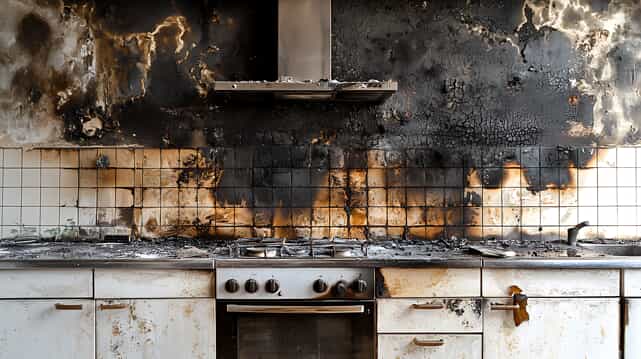
A Property Owner’s Guide to Fire Damage Restoration in Bal Harbour
Bal Harbour properties are known for luxury finishes, oceanfront views, and high-end construction. But even in upscale condos and waterfront homes, fire damage can happen — and when it does, restoration requires a careful, structured approach.
In this coastal community, fire damage restoration isn’t just about removing charred materials. It involves smoke cleanup, odor control, moisture management, and protecting high-value interiors from long-term deterioration.
Whether the fire started in a kitchen, electrical panel, balcony grill, or neighboring condo unit, understanding how restoration works helps property owners make informed decisions.
What Fire Damage Really Includes
Fire damage is rarely limited to the area where flames were visible.
It typically involves:
- Smoke residue on walls and ceilings
- Soot embedded in porous materials
- Odor trapped in insulation
- HVAC contamination
- Water damage from fire suppression
- Corrosion caused by acidic residue
In Bal Harbour’s humid coastal climate, these issues can worsen if not addressed quickly.
Smoke and moisture combined create long-term structural risks.
Why Coastal Conditions Change Restoration Needs
Bal Harbour sits directly on the Atlantic. That coastal exposure affects how fire damage behaves inside buildings.
Local environmental factors include:
- High year-round humidity
- Salt-heavy ocean air
- Sealed high-rise construction
- Continuous AC operation
- Wind-driven storm exposure
Humidity allows smoke residue to bond more deeply to surfaces. Salt air can accelerate corrosion when combined with soot.
This means restoration must address not only visible damage but environmental conditions as well.
Smoke Damage in High-Rise Condos
Many Bal Harbour properties are luxury high-rise units.
When a fire occurs in one condo, smoke often travels through:
- Shared ventilation systems
- Plumbing penetrations
- Ceiling cavities
- Electrical chases
- Hallway air circulation
Even if flames never entered your unit, smoke damage may still require cleanup.
Soot particles are microscopic. They settle into fabrics, carpets, air ducts, and wall surfaces far beyond the source.
Proper fire damage restoration always includes full inspection of adjacent areas.
Water Damage from Fire Suppression
One of the most overlooked aspects of fire restoration is water.
Sprinkler systems, fire department hoses, and extinguishers can leave behind significant moisture.
In Bal Harbour condos and homes, water from suppression efforts can:
- Saturate drywall
- Soak carpet padding
- Pool beneath tile
- Enter air handler closets
- Affect electrical components
If moisture isn’t thoroughly dried, mold growth may follow within days.
Fire restoration often includes water removal and structural drying.
The First Steps After a Fire
Safety always comes first.
Once the property is cleared for entry, the restoration process typically begins with:
- Damage assessment
- Structural stability evaluation
- Moisture detection
- Air quality assessment
In high-end Bal Harbour properties, careful documentation is especially important to preserve custom finishes and high-value materials.
Thorough inspection prevents missed damage.
Soot and Surface Cleaning
Soot residue behaves differently depending on the fire source.
Kitchen fires often produce greasy soot that clings to surfaces. Electrical fires create finer particles that spread further.
Cleaning may involve:
- Specialized soot removal sponges
- Surface washing techniques
- HEPA vacuuming
- Cleaning of cabinets and trim
- Ceiling and wall treatment
In luxury condos, delicate materials such as marble, wood paneling, and custom cabinetry require careful handling.
Improper cleaning can permanently damage finishes.
Odor Removal and Air Filtration
Smoke odor is often the most persistent issue.
In Bal Harbour’s humid climate, odors can reappear during high-moisture periods if not fully treated.
Professional odor removal may include:
- HEPA air scrubbers
- Activated carbon filtration
- Hydroxyl or ozone treatment
- HVAC system cleaning
- Duct inspection and cleaning
Without addressing ductwork, odor can circulate long after surfaces appear clean.
Air quality restoration is just as important as visual repair.
HVAC System Inspection
Air conditioning systems are central to Bal Harbour properties.
After fire exposure, HVAC systems should be inspected for:
- Soot contamination
- Moisture buildup
- Duct insulation damage
- Corrosion from residue
If contaminated ducts are not cleaned, smoke particles can continue to circulate.
Air duct cleaning often becomes part of comprehensive restoration.
Structural Repairs and Reconstruction
After cleanup and drying, structural repairs may begin.
This can include:
- Replacing damaged drywall
- Repainting surfaces
- Restoring flooring
- Repairing cabinetry
- Treating affected framing
In waterfront homes, salt air exposure can accelerate material breakdown following fire.
Prompt restoration limits long-term deterioration.
Preventing Secondary Damage
In Bal Harbour, delaying restoration can lead to:
- Mold growth from residual moisture
- Corrosion of metal components
- Permanent staining of surfaces
- Persistent odor
- Reduced indoor air quality
Early intervention protects both structure and property value.
Especially in luxury properties, small delays can increase long-term repair costs.
Unique Challenges in Waterfront Homes
Single-family homes near the water face additional concerns.
Ocean air combined with soot can cause:
- Accelerated corrosion
- Surface etching
- Metal fixture damage
- Electrical vulnerability
Flood restoration knowledge is often necessary alongside fire cleanup, especially if suppression water was extensive.
Moisture detection ensures complete drying before reconstruction.
Why Local Experience Matters
Fire damage restoration in Bal Harbour differs from restoration inland.
Professionals must understand:
- High-rise ventilation systems
- Coastal humidity effects
- Salt air corrosion patterns
- Luxury material handling
- Hurricane-season building pressure changes
Tip Top Water and Fire Damage Restoration works throughout Bal Harbour, Sunny Isles Beach, Aventura, and North Miami Beach.
Local familiarity with coastal construction and high-end interiors allows restoration work to be both thorough and precise.
Understanding South Florida’s climate helps prevent recurring odor or moisture issues after cleanup.
A Calm, Practical Approach
Experiencing a fire in your Bal Harbour property can feel overwhelming.
The key is a structured response:
- Inspect thoroughly
- Remove soot carefully
- Address moisture immediately
- Clean HVAC systems
- Monitor indoor humidity
- Complete structural repairs methodically
Fire damage restoration is not just cosmetic cleanup.
It’s about restoring air quality, stabilizing moisture, and protecting long-term structural integrity.
In a coastal community like Bal Harbour, environmental conditions amplify damage if left untreated.
Act promptly. Dry completely. Clean thoroughly.
With the right approach, even significant fire damage can be restored safely and professionally — preserving both your property and peace of mind.