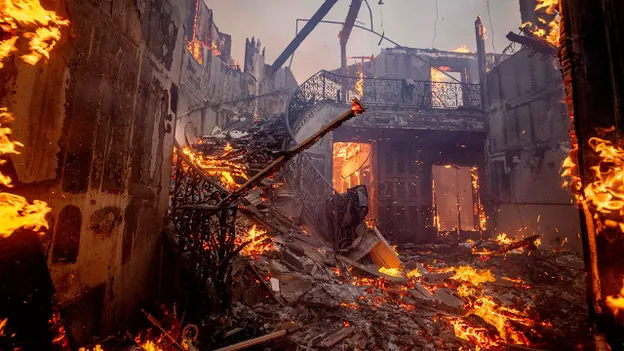
A Property Owner’s Guide to Fire Damage Restoration in Miami Shores
Fire damage is one of the most disruptive events that can affect a home, and in Miami Shores, coastal properties face additional challenges due to high humidity, older construction, and storm-prone weather. For property owners, understanding the process of fire damage restoration is essential not only to recover quickly but also to prevent long-term structural and indoor air quality issues.
Fire damage restoration is more than just cleaning soot or replacing burned materials—it involves a detailed inspection, moisture management, smoke damage mitigation, and careful reconstruction. In coastal homes, local environmental factors amplify these challenges, requiring specialized knowledge and experience to ensure the property is fully restored and safe for occupancy.
This guide provides a comprehensive overview for homeowners, landlords, and property managers about fire damage restoration in Miami Shores, emphasizing practical insights from real-world properties.
Understanding Fire Damage
Fire damage can vary widely depending on the intensity of the fire, materials involved, and how quickly it was contained. In Miami Shores homes, fire damage typically falls into three categories:
- Direct Fire Damage – Structural elements and materials burned or charred.
- Smoke and Soot Damage – Residue deposited on walls, ceilings, floors, and contents, often spreading beyond the visible burn area.
- Water Damage – Water used to extinguish the fire can cause additional harm, including mold growth and wood warping.
While fire may appear localized, the effects on air quality, structural integrity, and hidden moisture often extend throughout the property.
Common Causes of Fire in Miami Shores Homes
Several factors contribute to fire incidents in coastal properties:
- Electrical issues in older wiring or outdated panels
- Kitchen accidents, including grease fires
- Faulty appliances or air conditioning systems
- Lightning strikes during tropical storms
- Improper storage of flammable materials
Recognizing potential hazards and maintaining regular inspections reduces risk, but accidents can still occur.
Initial Steps After a Fire
Immediate action following a fire is critical to minimize damage:
- Ensure Safety – Do not enter the property until it has been deemed safe by authorities.
- Secure the Property – Board up broken windows or doors to prevent unauthorized entry and further exposure.
- Document Damage – Take photos and inventory damaged items for insurance purposes.
- Contact Professionals – Engage fire damage restoration experts promptly to assess and mitigate damage.
Delays in professional intervention often result in worsening structural problems and persistent odors.
Inspection and Assessment
Professional restoration begins with a detailed inspection:
- Structural Integrity – Evaluate walls, ceilings, roof, and foundation for fire-related compromise.
- Smoke Penetration – Determine how far smoke has traveled through vents, cracks, and ductwork.
- Water Damage – Identify areas affected by firefighting efforts or high humidity.
- Content Evaluation – Assess furniture, electronics, and personal items for restoration feasibility.
In Miami Shores, local knowledge is crucial as older coastal homes may have unique vulnerabilities, such as slab foundations that retain water and humidity-sensitive building materials.
Soot and Smoke Removal
Soot and smoke can penetrate deeply into materials, causing long-term odor and health hazards if not addressed properly:
- Surface Cleaning – Walls, ceilings, and floors are cleaned using specialized chemical agents.
- HVAC Cleaning – Ducts are cleaned to prevent redistribution of soot and particulates throughout the home.
- Content Cleaning – Furniture, curtains, and personal items are treated using dry cleaning or chemical baths as appropriate.
Professional intervention ensures that soot and smoke residues are fully removed, reducing lingering odors and potential respiratory risks.
Water Damage Mitigation
Water used to extinguish fires adds complexity:
- Drying Structural Elements – Industrial air movers and dehumidifiers remove excess moisture.
- Moisture Monitoring – Continuous measurement ensures materials return to safe moisture levels.
- Preventing Mold Growth – High coastal humidity in Miami Shores can exacerbate mold issues if water damage is not managed promptly.
Without careful drying, secondary damage from mold and mildew can create additional restoration needs.
Repair and Reconstruction
Once inspection, cleaning, and drying are complete, restoration moves to reconstruction:
- Replacing Damaged Materials – Drywall, flooring, cabinets, and insulation may need replacement.
- Electrical and Plumbing Repairs – Fire and water damage often compromise electrical systems and plumbing lines.
- Painting and Finishing – Proper priming and painting help seal surfaces and restore aesthetic quality.
- Content Replacement or Restoration – Items beyond repair are replaced, and salvageable items are returned to service.
Every step should follow building codes and consider local environmental factors like high humidity and salt air exposure.
Preventing Future Fire Damage
Property owners can reduce risk through proactive measures:
- Regular Electrical Inspections – Especially for older wiring in Miami Shores homes.
- Proper Appliance Maintenance – Clean and inspect AC units, stoves, and other equipment.
- Fire Safety Equipment – Smoke alarms, fire extinguishers, and sprinkler systems are essential.
- Safe Storage Practices – Keep flammable materials in ventilated, secure areas.
These preventive measures not only reduce fire risk but also improve insurance outcomes and property safety.
Challenges Unique to Coastal Homes
Miami Shores’ environment introduces additional restoration challenges:
- High Humidity – Slows drying and increases risk of mold growth post-fire.
- Salt Air Exposure – Accelerates corrosion of metal components and AC units.
- Older Construction Materials – Many homes built decades ago may require special consideration for fire and water damage restoration.
- Storm Season – Hurricanes and tropical storms can exacerbate existing damage or introduce additional moisture during restoration.
Professionals familiar with coastal properties are better equipped to manage these challenges efficiently.
The Role of Professional Expertise
Restoration in Miami Shores is not a DIY project. Fire damage professionals:
- Assess structural integrity and safety
- Conduct thorough smoke, soot, and water mitigation
- Identify hidden damage in walls, ceilings, and duct systems
- Provide long-term solutions to prevent mold and lingering odors
- Ensure compliance with local building codes and insurance requirements
Tip Top Water and Fire Damage Restoration has extensive experience handling coastal homes, making them a reliable partner for property owners.
Final Thoughts
Fire damage in Miami Shores is a complex, multi-faceted problem. Effective restoration requires:
- Timely intervention
- Thorough inspection and moisture assessment
- Smoke and soot remediation
- Water damage mitigation
- Structural repair and content restoration
Understanding the process and recognizing when to engage professionals can significantly reduce long-term damage, protect indoor air quality, and preserve property value. Coastal conditions make these efforts even more critical, emphasizing the importance of experience and local knowledge in successful fire damage restoration.
For property owners, proactive maintenance and early professional engagement are the keys to ensuring that a home not only recovers from fire damage but remains resilient against future challenges.