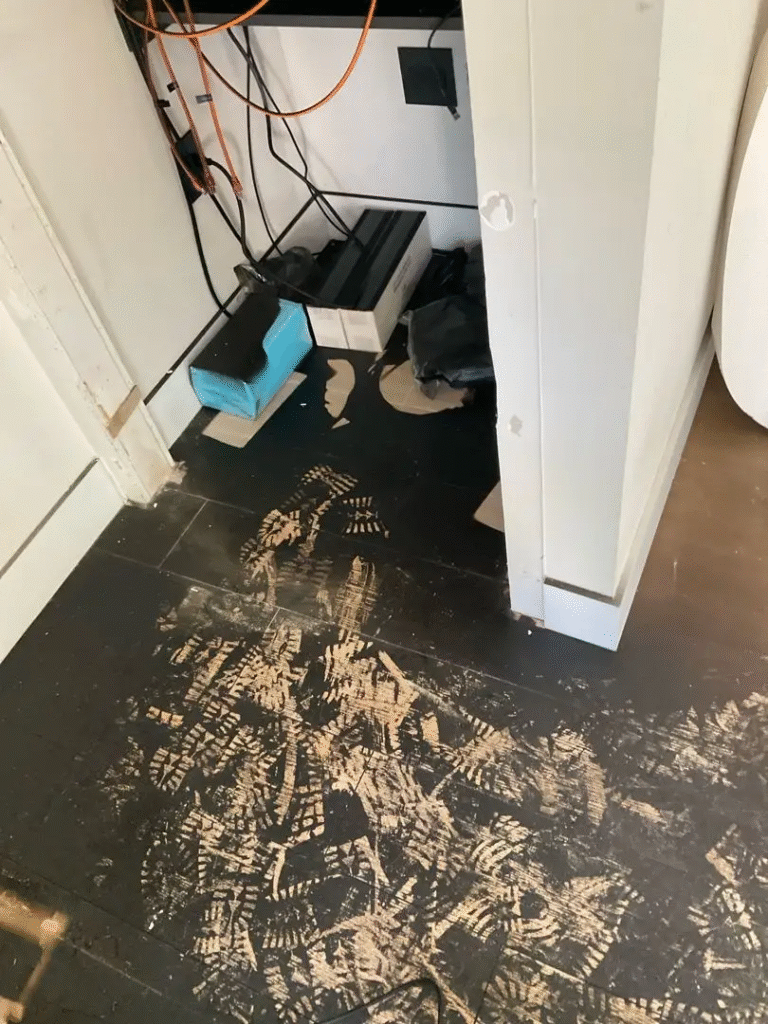
A Property Owner’s Guide to Fire Damage Restoration in North Miami Beach
Fire damage is one of the most stressful and destructive events a homeowner or property manager can face, and properties in North Miami Beach come with unique challenges due to their coastal location, high humidity, and storm exposure. Fire not only destroys visible surfaces but also leaves behind hidden damage, including smoke residue, soot infiltration, and water damage from firefighting efforts. Understanding the process of fire damage restoration, the risks involved, and best practices for prevention can make recovery more efficient and reduce long-term losses.
This guide provides property owners with a comprehensive overview of fire damage restoration in North Miami Beach, focusing on practical strategies, environmental considerations, and insights drawn from real local experiences.
Understanding Fire Damage in Coastal Homes
Fire damage can be categorized into three main types:
- Structural Damage: Flames weaken walls, ceilings, floors, and support beams. In older North Miami Beach homes, building materials may be more susceptible to collapse or long-term degradation after a fire.
- Smoke and Soot Damage: Smoke penetrates surfaces and crevices, leaving behind stains, odors, and potentially hazardous particles that can impact indoor air quality.
- Water Damage: Firefighting efforts often introduce significant water into homes, leading to moisture accumulation, potential mold growth, and damage to floors, walls, and contents.
Coastal properties face additional risks, including high humidity that slows drying, salt-laden air that accelerates corrosion of metal fixtures and HVAC components, and exposure to storms that can exacerbate damage.
Common Causes of Fire in North Miami Beach Homes
Several factors contribute to residential fires in coastal communities:
- Electrical malfunctions due to aging wiring or overloaded circuits
- Kitchen fires, particularly in open-plan homes or units with gas appliances
- HVAC or appliance failures caused by high humidity or corrosion
- Lightning strikes or electrical surges during storm events
- Improper storage of flammable materials near decks or waterfront areas
Being aware of these risks and performing routine inspections can help reduce the likelihood of fire.
Immediate Steps After Fire Damage
Prompt action following a fire is essential to limit further damage:
- Ensure Safety: Confirm the structure is safe to enter. Structural instability, exposed wiring, and residual heat pose hazards.
- Secure the Property: Board up windows and doors, particularly in waterfront homes where exposure to storms and salt air can exacerbate damage.
- Document Damage: Take photographs and inventory damaged items for insurance and restoration purposes.
- Contact Professionals: Fire damage restoration experts provide assessment, containment, and cleanup services that reduce long-term risks.
Inspection and Assessment
Professional restoration begins with a detailed evaluation:
- Structural Analysis: Roofs, walls, floors, and foundations are checked for fire or water damage.
- Smoke and Soot Assessment: Experts identify areas affected by smoke, including hidden cavities, HVAC systems, and attics.
- Moisture Detection: Water introduced during firefighting is monitored to prevent mold and structural degradation.
- Content Evaluation: Furniture, appliances, electronics, and personal items are assessed for cleaning, repair, or replacement.
Smoke and Soot Remediation
Smoke and soot can penetrate deep into a home’s interior:
- Surface Cleaning: Walls, ceilings, and flooring are treated with specialized agents to remove residue.
- HVAC Cleaning: Ducts and vents are cleaned to prevent redistribution of soot and odors.
- Content Restoration: Salvageable items are cleaned using dry cleaning, chemical treatments, or specialized techniques.
Effective smoke remediation protects indoor air quality and prevents lingering odors.
Water Damage Mitigation
Water from firefighting efforts introduces additional challenges:
- Drying Structural Materials: Industrial fans and dehumidifiers remove excess moisture from walls, flooring, and insulation.
- Monitoring Moisture Levels: Continuous monitoring ensures thorough drying, reducing the risk of mold growth.
- Mold Prevention: High coastal humidity can promote fungal growth if water damage is not addressed promptly.
Repair and Reconstruction
After cleaning and drying:
- Replacement of Damaged Materials: Drywall, flooring, insulation, and cabinetry may need full replacement.
- Electrical and Plumbing Repairs: Systems affected by fire or water are restored to code.
- Finishing Work: Painting and sealing restore aesthetics and protect materials from moisture.
- Content Return: Cleaned and restored belongings are returned, and irreparably damaged items are replaced.
Preventive Measures for Homeowners
Property owners can take several steps to reduce the risk and impact of fire damage:
- Routine Electrical Inspections: Ensure wiring, panels, and appliances are up to code.
- Install Fire Safety Equipment: Smoke detectors, fire extinguishers, and sprinkler systems increase safety.
- Proper Storage of Flammable Materials: Keep combustibles away from decks, kitchens, and other high-risk areas.
- HVAC Maintenance: Regular checks prevent malfunctions that could start fires.
- Storm Preparation: Board windows and secure property to minimize water and fire damage during hurricane season.
Challenges Unique to Coastal North Miami Beach Homes
Waterfront and coastal homes have distinct restoration challenges:
- High Humidity: Slows drying and increases the risk of mold growth post-fire.
- Salt Air Exposure: Corrodes metal fasteners, HVAC components, and electrical systems.
- Storm Vulnerability: Heavy rainfall and hurricane season complicate restoration efforts.
- Older Homes: Aging materials may retain moisture, be more flammable, or require more extensive repair.
Local expertise ensures these challenges are managed effectively.
The Role of Professional Fire Damage Restoration Experts
Fire damage restoration is a technical and labor-intensive process requiring:
- Precise assessment of structural and moisture-related damage
- Safe removal of smoke, soot, and water residues
- Mold prevention strategies in humid coastal environments
- Guidance on long-term preventive maintenance
Tip Top Water and Fire Damage Restoration combines technical knowledge with local experience in North Miami Beach, ensuring restoration is safe, effective, and lasting.
Financial and Health Considerations
Neglecting proper fire damage restoration can result in:
- Persistent smoke odors and compromised air quality
- Secondary water and mold damage
- Structural deterioration affecting property value
- Increased insurance complications and costs
Timely professional intervention mitigates these risks and reduces long-term expenses.
Final Thoughts
Fire damage in North Miami Beach homes is a complex challenge, particularly in waterfront and coastal areas. Property owners must understand the full scope of damage—structural, smoke-related, and water-induced—and engage professional restoration services promptly. Combining professional expertise with proactive preventive measures protects both the property and the health of its occupants.
With proper inspection, remediation, and ongoing maintenance, homeowners and property managers can restore damaged properties efficiently, minimize long-term risks, and ensure their North Miami Beach homes remain safe, comfortable, and resilient against future fire events.