A Property Owner’s Guide to Flood Restoration in Biscayne Park
Biscayne Park is a quiet, tree-lined residential community known for its character homes and close-knit neighborhood feel. Located near major waterways and influenced by South Florida’s coastal climate, Biscayne Park faces ongoing flood risks that many property owners underestimate. Heavy rain, plumbing failures, and rising groundwater levels can all lead to indoor flooding that requires immediate and professional attention.
For homeowners, landlords, and property managers, understanding how flood restoration works—and why it is so critical in Biscayne Park—is essential for protecting property value, structural integrity, and indoor air quality. This guide explains the full flood restoration process from a property owner’s perspective, with practical insights drawn from real local conditions.
Why Flood Restoration Is Especially Important in Biscayne Park
Flood restoration is not just about removing visible water. In Biscayne Park, flooding often leads to hidden moisture problems that can linger long after surfaces appear dry.
Several local factors increase risk:
- Flat terrain and limited natural drainage
- Older homes with slab foundations
- Dense tree canopy that slows evaporation
- High humidity that prevents natural drying
- Seasonal storms that bring intense rainfall in short periods
Because moisture behaves differently in this environment, professional flood restoration is often the only way to prevent long-term damage.
Common Causes of Flooding in Biscayne Park Homes
Flooding in Biscayne Park does not always come from dramatic storm surge. In many cases, water enters homes quietly and accumulates over time.
Heavy Rainfall and Stormwater Runoff
Intense rain can overwhelm drainage systems, causing water to pool around foundations and enter through doors, garages, or low thresholds.
Plumbing Failures
Burst pipes, aging supply lines, failed water heaters, and washing machine overflows are frequent sources of indoor flooding—especially in older homes.
AC Condensation and Drain Line Issues
Air conditioning systems produce constant moisture. When condensate lines clog or drip pans overflow, water can spread into floors, walls, and closets.
Groundwater and Slab Moisture
Concrete slabs absorb moisture from saturated soil. After extended rain, water can migrate upward, damaging flooring and baseboards without visible flooding.
Early Warning Signs Property Owners Should Never Ignore
Flood restoration becomes more extensive—and more expensive—when early signs are missed. Watch for:
- Standing or pooling water indoors
- Musty or damp odors
- Warped or buckling flooring
- Soft drywall or baseboards
- Discoloration on walls or ceilings
- Persistent indoor humidity
Even small amounts of water can cause serious damage if not addressed promptly in Biscayne Park’s humid climate.
Why Water Must Be Removed Quickly
When water remains inside a home, several things happen rapidly:
- Structural materials absorb moisture, weakening drywall, wood, and subfloors
- Mold growth can begin within 24–48 hours
- Odors develop and become difficult to remove
- Electrical systems and appliances may corrode
- Property value decreases due to long-term damage
Flood restoration focuses on stopping this chain reaction before it escalates.
The Flood Restoration Process Explained
Step 1: Inspection and Moisture Assessment
Professional restoration begins with a detailed evaluation of the property.
Technicians assess:
- The source of flooding
- Areas of visible water damage
- Hidden moisture inside walls, floors, and ceilings
- Risk areas such as AC closets, crawl spaces, and slab edges
Moisture meters and thermal imaging are often used to detect water that cannot be seen.
Step 2: Water Extraction
The next step is the physical removal of water.
- Industrial extractors remove standing water from floors and carpets
- Saturated carpet padding may be lifted or removed
- Water trapped beneath flooring or behind walls is addressed
This step is critical because drying cannot begin until excess water is removed.
Step 3: Drying and Dehumidification
Drying a home in Biscayne Park is more complex than in drier climates.
Professionals use:
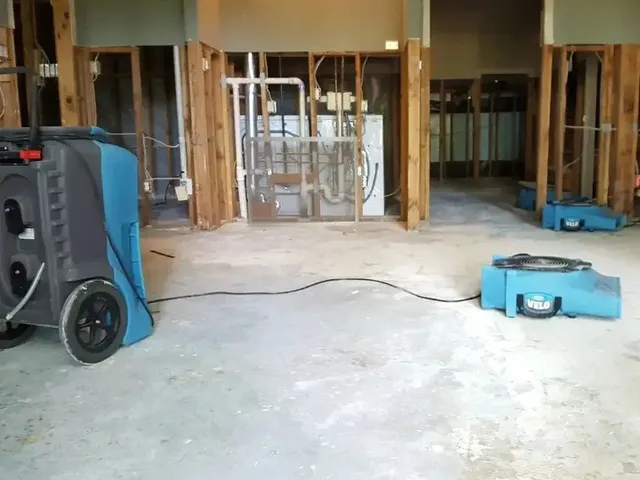
- High-powered air movers to circulate air
- Commercial dehumidifiers to pull moisture from the air and materials
- Targeted drying for walls, subfloors, and slab foundations
Moisture levels are monitored daily to ensure complete drying—not just surface dryness.
Step 4: Cleaning and Sanitization
Floodwater often carries contaminants, bacteria, and debris.
Restoration teams:
- Clean and disinfect affected surfaces
- Treat areas with antimicrobial solutions
- Deodorize spaces to eliminate musty smells
- Clean or remove affected carpets, rugs, and furnishings
This step protects indoor air quality and prevents secondary damage.
Step 5: Mold Prevention and Monitoring
Because Biscayne Park is highly humid, mold prevention is a critical part of flood restoration.
Professionals may:
- Apply mold-inhibiting treatments
- Inspect wall cavities and hidden spaces
- Recommend humidity control strategies
- Monitor moisture levels until safe thresholds are reached
Preventing mold is far easier—and less expensive—than removing it later.
Step 6: Repairs and Restoration
Once the home is dry and sanitized, repairs can begin.
This may include:
- Replacing drywall, insulation, or flooring
- Repairing baseboards and trim
- Restoring cabinetry affected by water
- Ensuring AC and electrical systems are functioning properly
The goal is to return the property to a safe, livable condition while reducing future flood vulnerability.
Hidden Flood Damage: A Common Biscayne Park Issue
Many flood-related problems do not show up immediately.
Common hidden damage areas include:
- Under carpet and padding
- Inside wall cavities
- Beneath baseboards
- Around plumbing penetrations
- Inside AC ductwork
Without professional detection and drying, these areas can remain wet for weeks, leading to mold and structural decay.
Why DIY Flood Cleanup Often Fails
Property owners sometimes attempt to handle flooding themselves, but DIY cleanup rarely works in Biscayne Park.
Common limitations include:
- Household fans cannot dry deep materials
- Shop vacs cannot extract water from subfloors
- Hidden moisture goes undetected
- High humidity prevents natural evaporation
Professional equipment and experience are essential for complete restoration.
Preventive Measures Property Owners Should Take
After flood restoration, prevention becomes the priority.
Plumbing and AC Maintenance
- Inspect pipes, valves, and water heaters regularly
- Keep AC condensate lines clean and clear
Drainage and Landscaping
- Ensure grading directs water away from the home
- Keep gutters and downspouts clear
Humidity Control
- Maintain indoor humidity between 45–55%
- Use dehumidifiers during wet seasons
Routine Inspections
- Inspect the home after heavy rain
- Schedule periodic moisture assessments
These steps significantly reduce the risk of future flooding and water damage.
Lessons from Real Biscayne Park Properties
Local flood restoration experience shows that:
- Small water events often cause large hidden damage
- Slab moisture is frequently overlooked
- AC-related flooding is extremely common
- Early professional response saves thousands in repairs
Understanding these patterns helps property owners make informed decisions.
Why Local Experience Matters
Flood restoration in Biscayne Park requires knowledge of:
- Local soil and drainage behavior
- Older home construction methods
- Slab foundation moisture dynamics
- Seasonal storm patterns
Tip Top Water and Fire Damage Restoration has hands-on experience working with Biscayne Park homes, allowing restoration efforts to address not just the water—but the conditions that caused it.
Long-Term Benefits of Professional Flood Restoration
When flood restoration is handled correctly, property owners benefit from:
- Reduced mold risk
- Preserved structural integrity
- Healthier indoor air quality
- Lower long-term maintenance costs
- Stronger property value
Flood restoration is not just an emergency service—it is a long-term investment in the property.
Final Thoughts
Flooding in Biscayne Park is a serious but manageable challenge when handled correctly. Because water behaves differently in this coastal, high-humidity environment, professional flood restoration is essential for protecting homes from lasting damage.
By understanding the restoration process, acting quickly, and implementing preventive strategies, property owners can reduce risk, protect their investment, and maintain safe, comfortable living spaces. In Biscayne Park, informed action and local expertise make all the difference between temporary inconvenience and long-term damage.