A Property Owner’s Guide to Moisture Detection in Bayfront Homes in North Miami
Bayfront homes in North Miami offer beautiful views and direct access to coastal breezes, but they also face unique maintenance challenges. High humidity, salt air exposure, heavy rains, and seasonal storms all contribute to moisture problems that may not be immediately visible. In many cases, water intrusion or condensation develops quietly behind walls, beneath flooring, or inside attics before any obvious signs appear.
Moisture detection is one of the most effective ways to identify hidden problems early. For homeowners, landlords, and property managers, understanding how moisture behaves in coastal environments helps prevent mold growth, structural damage, and costly repairs.
Why Moisture Problems Are More Common in Bayfront Homes
Homes located near Biscayne Bay experience environmental conditions that increase the likelihood of moisture buildup.
Several local factors play a role:
High humidity year-round
Moist air slows evaporation, allowing building materials to remain damp longer than expected.
Salt air exposure
Salt carried in coastal air can affect building materials and seals, allowing moisture to enter small openings.
Frequent storms and heavy rainfall
Wind-driven rain can reach areas that normally remain dry, including attics and wall cavities.
Continuous air conditioning use
AC systems remove humidity but also produce condensation, which can lead to leaks if drainage systems are not functioning properly.
Because of these conditions, moisture can develop in areas that are rarely inspected.
What Moisture Detection Means
Moisture detection is the process of locating damp materials and hidden water intrusion before major damage occurs. It involves inspecting building materials and using specialized tools to measure moisture levels in walls, ceilings, flooring, and structural components.
Moisture detection helps property owners:
- Identify hidden leaks
- Prevent mold growth
- Protect structural materials
- Maintain indoor air quality
- Reduce long-term repair costs
In many cases, early detection allows small problems to be corrected before they spread.
Common Sources of Moisture in Bayfront Properties
Moisture problems in North Miami bayfront homes often originate from multiple sources.
Frequent causes include:
- Roof leaks after storms
- Plumbing leaks inside walls
- Window or door seal failures
- AC condensate line clogs
- Poor attic ventilation
- Groundwater intrusion during heavy rain
Even minor leaks can allow moisture to spread into insulation, drywall, or subfloors.
Professionals experienced in coastal environments often use moisture detection tools to locate hidden damp areas early. Companies such as Tip Top Water and Fire Damage Restoration frequently begin inspections by identifying both visible and concealed moisture sources.
Early Signs That Moisture May Be Present
While moisture is often hidden, small warning signs usually appear first.
Property owners may notice:
- Musty or damp odors
- Water stains on ceilings or walls
- Peeling paint or bubbling drywall
- Warped baseboards or flooring
- Increased indoor humidity
These signs often indicate moisture behind walls or beneath flooring.
Hidden Areas Where Moisture Often Develops
One of the biggest challenges in moisture detection is locating damp areas that cannot be seen easily.
Common hidden locations include:
- Attic insulation and roof decking
- Inside wall cavities
- Beneath tile, wood, or carpet
- Air ducts and HVAC closets
- Behind cabinets or appliances
In humid coastal climates, moisture in these areas may remain trapped for extended periods if not properly dried.
How Moisture Detection Is Performed
Moisture detection typically involves a systematic inspection of the property.
1. Visual inspection
Technicians look for staining, discoloration, or other signs of water intrusion.
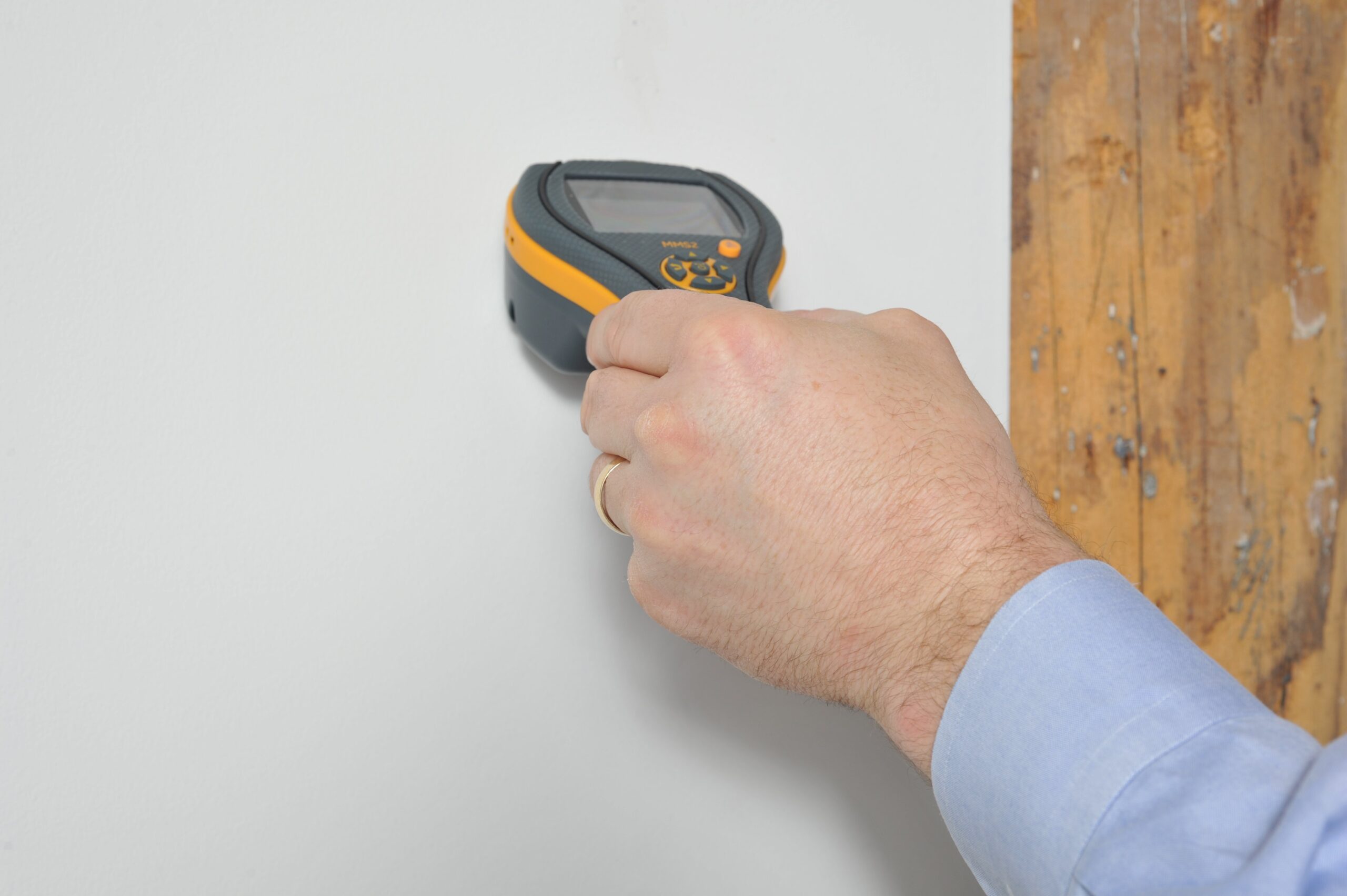
2. Moisture meter readings
Meters measure moisture levels in drywall, wood, and flooring.
3. Inspection of HVAC systems
Air handlers, ducts, and condensate lines are checked for leaks or condensation.
4. Attic and roof evaluation
Leaks and humidity buildup often originate in these areas.
5. Moisture mapping
Tracking moisture helps determine how far water has spread and ensures drying is effective.
This process helps ensure hidden moisture is not overlooked.
Why Humidity Makes Moisture Harder to Detect
Humidity plays a major role in how moisture behaves in bayfront homes. In drier climates, water evaporates quickly and problems become visible sooner. In humid coastal environments, moisture can linger in materials without obvious signs.
High humidity can:
- Slow drying of damp materials
- Allow moisture to spread through porous surfaces
- Mask early warning signs of leaks
- Increase the likelihood of mold growth
Because of this, routine inspections are especially important in coastal homes.
The Connection Between Moisture and Mold
Moisture detection is closely linked to mold prevention. Mold requires three conditions to grow:
- Moisture
- Organic material
- Warm temperatures
Homes in North Miami naturally provide the second and third conditions, making moisture control the most important factor in preventing mold. Detecting moisture early significantly reduces the likelihood of mold developing.
HVAC Systems and Moisture Problems
Air conditioning systems play a major role in moisture control but can also contribute to problems if not maintained properly.
Potential concerns include:
- Condensate drain line clogs
- Air handler leaks
- Condensation forming on ducts
- Restricted airflow increasing humidity
Routine HVAC inspections and maintenance help reduce these risks and improve indoor air quality.
Lessons Learned from Bayfront Properties
Real situations from bayfront homes in North Miami reveal several consistent patterns.
Hidden leaks are more common than expected
Small roof or plumbing leaks often go unnoticed until moisture spreads.
Attics and AC closets are common problem areas
These spaces often trap moisture due to limited airflow.
Humidity prolongs drying times
Materials frequently remain damp longer in coastal environments.
Early detection reduces repair costs
Homes inspected early usually required less extensive restoration.
These observations highlight the importance of regular inspections.
Practical Maintenance Tips for Property Owners
Property owners can reduce moisture risks by following routine maintenance practices.
Helpful steps include:
- Inspecting roofs and flashing after storms
- Cleaning AC condensate lines regularly
- Monitoring indoor humidity levels
- Checking attics and storage areas periodically
- Repairing leaks promptly
- Scheduling periodic moisture inspections
Preventive maintenance often identifies small problems before they become serious.
Why Local Experience Matters
Moisture detection in coastal South Florida requires understanding how humidity, storms, and building materials interact. Homes in North Miami, Miami Shores, Biscayne Park, and nearby communities experience environmental conditions that differ significantly from inland regions.
Professionals familiar with local conditions understand:
- How coastal humidity affects moisture levels
- Where moisture commonly accumulates in bayfront homes
- Which materials are most vulnerable
- How ventilation systems behave in humid climates
This knowledge helps ensure inspections are accurate and effective.
A Practical Next Step for Property Owners
Moisture problems often begin quietly but can lead to mold, odors, and structural damage if left untreated. If you notice musty smells, water stains, or humidity changes, having your property inspected can help identify hidden moisture before it causes larger problems.
Working with experienced restoration professionals such as Tip Top Water and Fire Damage Restoration helps ensure that moisture sources are located, affected materials are properly dried, and preventive steps are taken. With routine inspections and proper maintenance, homeowners in North Miami’s bayfront neighborhoods can protect their properties and maintain comfortable indoor environments year-round.