
A Property Owner’s Guide to Mold Inspection in Bayfront Homes in North Miami
Owning a bayfront home in North Miami offers incredible views and waterfront living, but coastal proximity also brings persistent moisture challenges. Warm temperatures, heavy rainfall, and constant humidity create ideal conditions for mold growth inside homes, often in places homeowners never see. Mold problems in bayfront properties frequently begin quietly and grow unnoticed until odors or visible damage appear.
For property owners, understanding how mold inspections work—and why they are so important in coastal homes—can prevent costly repairs and protect indoor living conditions. A professional inspection identifies hidden risks early, helping homeowners resolve problems before mold spreads.
Why Bayfront Homes Face Greater Mold Risks
Homes located near Biscayne Bay experience constant exposure to moisture-laden air. Even well-maintained homes can develop mold issues because humidity levels remain high throughout the year.
Several factors increase mold risk in North Miami bayfront properties:
• High humidity levels entering homes daily
• Storm-driven rainwater intrusion
• Flooding or rising water levels during heavy storms
• Air conditioning condensation issues
• Aging building materials in older homes
• Balcony and window seal failures
• Seasonal property vacancy allowing humidity buildup
Because moisture exposure is continuous, mold problems can develop even without major flooding or plumbing failures.
What Mold Really Means for a Home
Mold grows naturally when moisture and organic materials combine. In homes, mold feeds on materials like drywall, wood framing, insulation, carpeting, and furniture.
Once moisture becomes trapped inside walls or flooring, mold can begin forming within 24 to 48 hours. Over time, colonies expand and spread spores through the air.
Beyond unpleasant odors, mold damages structural materials and reduces indoor air quality. If left untreated, mold contamination often spreads beyond the original source, making remediation more complicated.
Early Signs Mold May Be Present
Many mold problems begin in hidden areas, so homeowners often notice warning signs before seeing actual mold growth.
Common signs include:
• Persistent musty odors
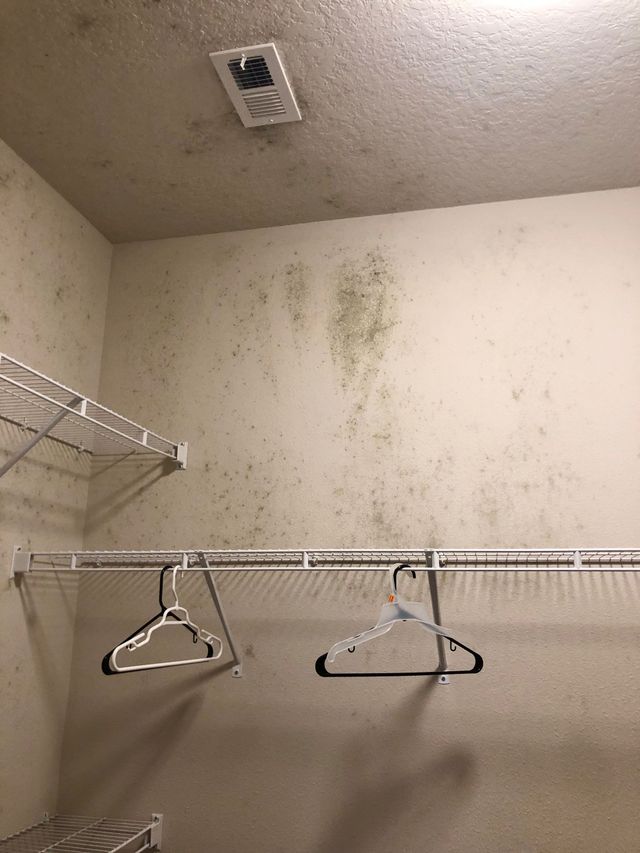
• Dark spots on walls or ceilings
• Peeling paint or bubbling drywall
• Warped or lifting flooring
• Mold around vents or baseboards
• Increased allergy-like symptoms indoors
• Condensation on windows or walls
When these signs appear, mold may already be growing behind surfaces.
Hidden Mold Locations in Bayfront Homes
During inspections in North Miami bayfront properties, mold is frequently discovered in places homeowners rarely check.
Common hidden growth areas include:
• Inside wall cavities after leaks
• Beneath flooring materials
• Behind kitchen or bathroom cabinets
• Around air conditioning equipment
• Inside air ducts
• Attics with poor ventilation
• Closets or storage areas with limited airflow
Because mold thrives in dark, damp areas, professional detection tools are often necessary to find hidden contamination.
Why DIY Mold Inspection Often Misses Problems
Homeowners sometimes attempt mold inspections themselves, checking visible areas or using home testing kits. While this may reveal surface issues, it rarely identifies hidden problems.
DIY inspections often fall short because:
• Mold may grow behind walls or flooring
• Moisture sources remain unidentified
• Test kits may produce misleading results
• Mold types are difficult to distinguish visually
• Hidden moisture remains undetected
Professional inspections focus on identifying both mold presence and moisture sources causing growth.
How Professional Mold Inspections Work
A professional mold inspection involves more than simply looking for mold. Inspectors aim to determine where mold is growing and why.
Typical inspection steps include:
• Visual inspection of interior and exterior areas
• Moisture meter testing of walls and flooring
• Thermal imaging to locate hidden damp areas
• Inspection of HVAC systems and ducts
• Evaluation of attic and crawl space conditions
• Air or surface sampling when necessary
By identifying moisture sources, inspectors help ensure mold problems are addressed properly rather than temporarily cleaned.
Companies such as Tip Top Water and Fire Damage Restoration often conduct inspections across North Miami, helping homeowners understand the extent of mold risks and necessary next steps.
Moisture Detection Is Key to Mold Prevention
Moisture is the root cause of mold growth. Without correcting moisture issues, mold returns even after cleaning.
Common moisture sources in bayfront homes include:
• Roof leaks after storms
• Plumbing leaks inside walls
• Air conditioning condensation problems
• Window or balcony water intrusion
• Flooding during heavy rain
• Poor ventilation trapping humidity
Professional moisture detection identifies areas where water remains trapped, preventing mold from returning after remediation.
Mold Inspection During Real Estate Transactions
Mold inspections are increasingly common during property purchases in coastal communities. Buyers want assurance that hidden mold issues do not exist before closing.
In bayfront North Miami properties, inspections help reveal:
• Past flooding damage
• Hidden moisture behind renovations
• Mold growth in rarely accessed areas
• HVAC contamination issues
Sellers also benefit from inspections, as resolving problems beforehand prevents delays or negotiation complications.
Preventing Mold Growth in Bayfront Homes
While humidity cannot be eliminated entirely, homeowners can take practical steps to reduce mold risks.
Helpful prevention measures include:
• Maintaining indoor humidity below 60 percent
• Servicing AC systems regularly
• Repairing leaks immediately
• Ensuring proper attic and crawl space ventilation
• Using dehumidifiers during humid months
• Checking windows and doors for water intrusion
• Inspecting roofs before storm season
Regular maintenance helps prevent moisture from accumulating in hidden areas.
Why Local Experience Matters in Mold Inspection
Mold behavior varies depending on climate and building construction. Inspectors familiar with North Miami and nearby coastal neighborhoods understand how moisture spreads in bayfront properties.
Local professionals recognize common building vulnerabilities and coastal weather patterns that influence mold growth. Their experience allows quicker identification of hidden risks and effective solutions tailored to the environment.
Tip Top Water and Fire Damage Restoration frequently works throughout North Miami and surrounding bayfront communities, helping property owners identify and resolve mold concerns specific to coastal living.
Acting Early Protects Property Value and Comfort
Mold rarely disappears on its own. Small moisture problems often grow into larger issues if ignored. Early mold inspection helps homeowners avoid expensive repairs while maintaining healthy indoor environments.
Property owners who schedule inspections when warning signs appear can prevent contamination from spreading and protect long-term property value. Professional inspections provide clarity, ensuring mold problems are addressed before they become severe.
With proactive inspection and maintenance, North Miami bayfront homeowners can continue enjoying waterfront living without hidden moisture problems affecting their homes.