
A Property Owner’s Guide to Mold Inspection in Biscayne Park
Biscayne Park is known for its quiet residential streets, historic homes, and close-knit community atmosphere just north of Miami. While the neighborhood offers a comfortable living environment, homeowners here face a challenge common throughout South Florida: moisture. High humidity, seasonal storms, and aging building materials create conditions where mold can quietly develop inside homes.
For property owners, mold inspection is one of the most effective ways to protect both property value and indoor living conditions. Many mold problems begin in hidden areas long before visible signs appear, making professional inspections an important part of responsible home maintenance. Understanding when and why mold inspection becomes necessary helps Biscayne Park residents avoid expensive repairs and recurring problems.
Being proactive often prevents mold from becoming a major restoration issue.
Understanding Why Mold Inspection Matters
Mold spores exist naturally in outdoor air and regularly enter homes through doors, windows, and ventilation systems. Mold becomes a problem only when moisture allows spores to grow indoors on surfaces such as drywall, wood, insulation, and carpeting.
In Biscayne Park homes, moisture may come from plumbing leaks, roof damage, storm intrusion, or air conditioning condensation. Mold often begins growing inside concealed spaces such as wall cavities, attics, and under flooring before homeowners notice any symptoms.
Mold inspection helps determine whether hidden contamination exists and identifies moisture sources that may cause future problems. Inspection is not only about finding mold; it is about preventing it from spreading.
Early detection saves time, money, and stress.
Why Biscayne Park Homes Face Mold Risks
Properties in Biscayne Park face ongoing moisture exposure due to South Florida’s climate. Humid air from nearby Biscayne Bay and surrounding waterways constantly affects indoor conditions.
Many homes in the neighborhood were built decades ago. Aging plumbing systems, older roofing materials, and outdated ventilation setups sometimes allow moisture to accumulate unnoticed. Even renovated homes may experience problems if airflow or humidity control is inadequate.
Heavy rainfall during storm season can also force water into buildings through roofs, windows, or exterior walls. Sometimes damage appears minor but moisture remains trapped behind surfaces.
Because these conditions are common, mold inspection should be part of regular property maintenance.
Situations When Mold Inspection Is Recommended
Certain situations strongly suggest that a mold inspection should be scheduled. Biscayne Park property owners often request inspections after:
Roof leaks during heavy rain
Plumbing leaks behind walls or cabinets
Flooding or appliance overflow incidents
Air conditioning condensation problems
Water damage repairs completed without professional drying
Long periods of elevated indoor humidity
Even if repairs appear successful, hidden moisture may remain. Inspection ensures problems are fully resolved before mold spreads.
Testing is also useful when homeowners suspect mold but cannot see visible growth.
Warning Signs That Suggest Mold May Be Present
Mold problems often reveal themselves through subtle warning signs rather than obvious growth. Property owners commonly notice:
Persistent musty odors indoors
Dark stains on ceilings or walls
Peeling paint or bubbling drywall
Condensation around vents or windows
Damp closets or storage spaces
Unexpected indoor humidity
These symptoms usually indicate moisture exists somewhere in the structure. Mold inspection helps determine whether contamination is developing behind surfaces.
Ignoring early warning signs often leads to larger remediation efforts later.
Hidden Areas Mold Inspection Frequently Reveals
Professional mold inspections often uncover contamination in places homeowners rarely check. Common hidden mold locations include:
Behind drywall after plumbing leaks
Inside attic insulation exposed to roof intrusion
Under flooring after flooding
Cabinets beneath sinks or appliances
Around air conditioning air handlers
Inside HVAC duct systems
Because these areas are concealed, mold can continue growing unnoticed for months. Inspection helps locate contamination early before it spreads.
Identifying hidden moisture protects both indoor air quality and structural materials.
Why DIY Mold Checks Often Miss the Problem
Some property owners try to detect mold using home test kits or visual inspections. While these methods may reveal surface contamination, they often miss hidden moisture or airborne mold problems.
DIY kits frequently produce confusing results since mold spores are naturally present everywhere. Homeowners may incorrectly assume mold is absent or panic unnecessarily.
Professional inspections combine moisture detection, visual evaluation, and air sampling to provide reliable information. Specialists also identify moisture sources, which DIY methods cannot accomplish.
Accurate testing prevents unnecessary cleanup while ensuring real problems are addressed.
How Professional Mold Inspection Works
A professional inspection begins with a comprehensive evaluation of the property. Inspectors look for visible mold and investigate areas where moisture may be present.
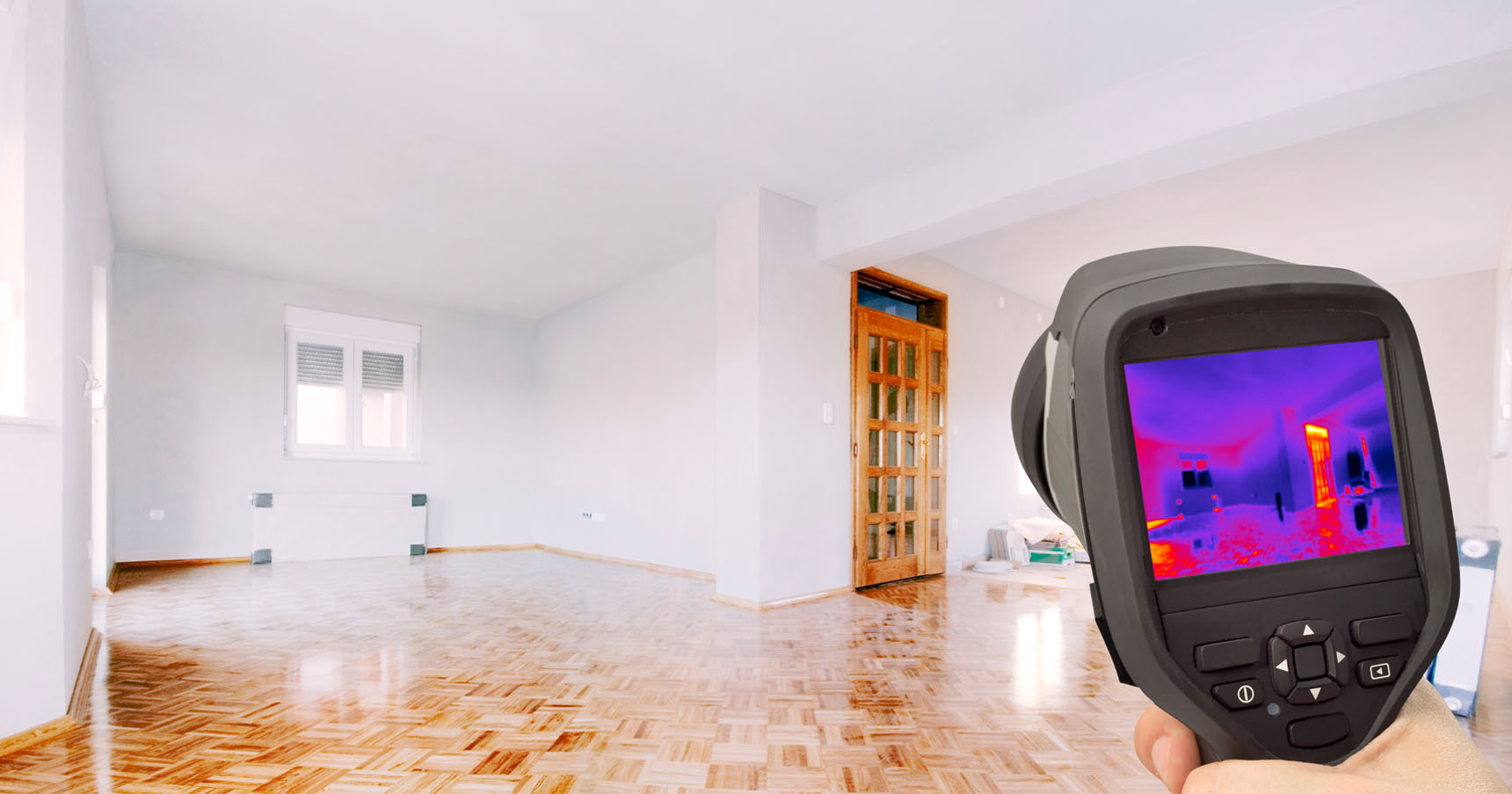
Moisture meters help detect damp materials hidden behind walls or beneath floors. Thermal imaging equipment identifies temperature differences indicating concealed moisture. HVAC systems are also inspected since condensation frequently contributes to mold growth.
Air samples may be collected to compare indoor spore levels with outdoor conditions. Surface samples may also confirm contamination where suspected.
This process helps determine whether remediation is needed or if moisture correction alone can prevent future growth.
What Happens If Mold Is Found
If inspection confirms mold contamination, remediation may be recommended. Remediation involves isolating affected areas to prevent spores from spreading, removing contaminated materials, and cleaning surfaces using professional antimicrobial treatments.
Containment barriers and filtration systems keep unaffected areas protected during cleanup. Drying equipment then removes remaining moisture so mold cannot return.
After remediation, repairs restore materials removed during cleanup, returning the home to safe conditions.
Companies like Tip Top Water and Fire Damage Restoration frequently assist Biscayne Park homeowners through both inspection and remediation processes, helping properties recover efficiently after moisture problems.
Water Damage and Mold Development
Many mold problems begin after water intrusion events. Plumbing failures, heavy rain, or appliance leaks introduce moisture that later allows mold growth if drying is incomplete.
Flood restoration involves water extraction, drying, and sanitization. However, if moisture remains hidden in walls or flooring, mold may develop weeks later.
Scheduling mold inspection after water damage ensures restoration efforts successfully eliminated moisture risks.
Quick action reduces future remediation needs.
HVAC Systems and Mold Spread
Air conditioning systems often influence mold growth. Condensation leaks or poorly insulated ducts may introduce moisture into ceilings or walls.
If mold develops inside ductwork, spores can spread throughout the home whenever the system runs. During inspection, HVAC systems are evaluated to determine whether cleaning or repairs are necessary.
Regular maintenance and duct cleaning reduce moisture risks and improve indoor air quality.
Maintaining ventilation systems supports mold prevention efforts.
Preventing Mold Problems Through Regular Maintenance
Long-term mold prevention requires consistent attention to moisture control. Biscayne Park homeowners can reduce mold risks by maintaining air conditioning systems, repairing leaks promptly, and managing indoor humidity levels.
Helpful preventive steps include:
Clearing AC condensate drain lines regularly
Improving ventilation in bathrooms and kitchens
Inspecting roofs and windows after storms
Using dehumidifiers during humid periods
Scheduling periodic moisture inspections
Preventive maintenance helps avoid expensive restoration later.
Small steps today prevent major problems tomorrow.
Why Local Experience Matters in Mold Inspection
Coastal South Florida homes face moisture challenges different from inland properties. Professionals familiar with Biscayne Park understand local construction styles, humidity patterns, and recurring moisture trouble spots.
Local expertise allows inspectors to identify risks quickly and recommend solutions suited to neighborhood conditions rather than generic approaches.
Tip Top Water and Fire Damage Restoration regularly assists homeowners throughout Biscayne Park and nearby communities dealing with moisture and mold concerns unique to coastal living.
Local knowledge improves both inspection accuracy and prevention strategies.
A Practical Path Forward for Property Owners
Mold inspection provides clarity for homeowners concerned about hidden contamination. Rather than guessing, property owners receive accurate information about indoor conditions and necessary next steps.
Early inspections prevent small moisture issues from becoming major remediation projects. With proper maintenance and awareness, Biscayne Park residents can enjoy comfortable homes while keeping mold risks under control.
Routine inspections and proactive moisture management protect both property value and indoor comfort for years to come.