
A Property Owner’s Guide to Mold Removal in Bayfront Homes in North Miami
Introduction: Mold Removal Is a Common Reality for Bayfront Properties
Living along the bay in North Miami offers beautiful views and desirable coastal living, but property owners quickly learn that waterfront homes come with unique maintenance responsibilities. One of the most persistent issues facing bayfront homeowners is mold growth caused by constant moisture exposure.
Unlike sudden flooding events, mold in bayfront homes often develops slowly. Moisture enters homes through humid air, minor leaks, or condensation, creating hidden conditions where mold can grow unnoticed. By the time visible signs appear, mold may already be widespread behind walls or under flooring.
Understanding how mold develops and how removal works helps homeowners and property managers protect their investment and avoid expensive restoration work later.
Understanding Mold Problems in Bayfront Homes
Mold grows wherever moisture remains trapped indoors. In bayfront homes across North Miami, indoor humidity levels remain high year-round due to coastal air and frequent summer storms.
Moisture can enter through roof leaks, plumbing issues, AC condensation, or humid air infiltration. Materials such as drywall, insulation, and wood framing absorb moisture easily, providing ideal conditions for mold colonies to grow.
Because mold spreads quietly behind surfaces, homeowners often don’t realize there is a problem until damage becomes visible or odors appear.
Why Mold Removal Is So Common in North Miami Bayfront Properties
Properties along Biscayne Bay face moisture challenges not seen in inland communities. Coastal air constantly carries humidity, which slowly affects interior materials.
Storm season adds another layer of risk. Heavy rainfall and occasional flooding introduce water into homes through windows, foundations, or roofs. Even small water intrusions can lead to mold growth if drying is delayed.
Additionally, many bayfront homes rely heavily on air conditioning to maintain comfort. When ventilation is poor or AC systems create excess condensation, moisture can remain trapped indoors.
Older properties in nearby communities like Miami Shores, Aventura, and Sunny Isles Beach may also have aging plumbing or outdated ventilation systems, increasing moisture risks.
Common Signs Property Owners Notice Before Removal Is Needed
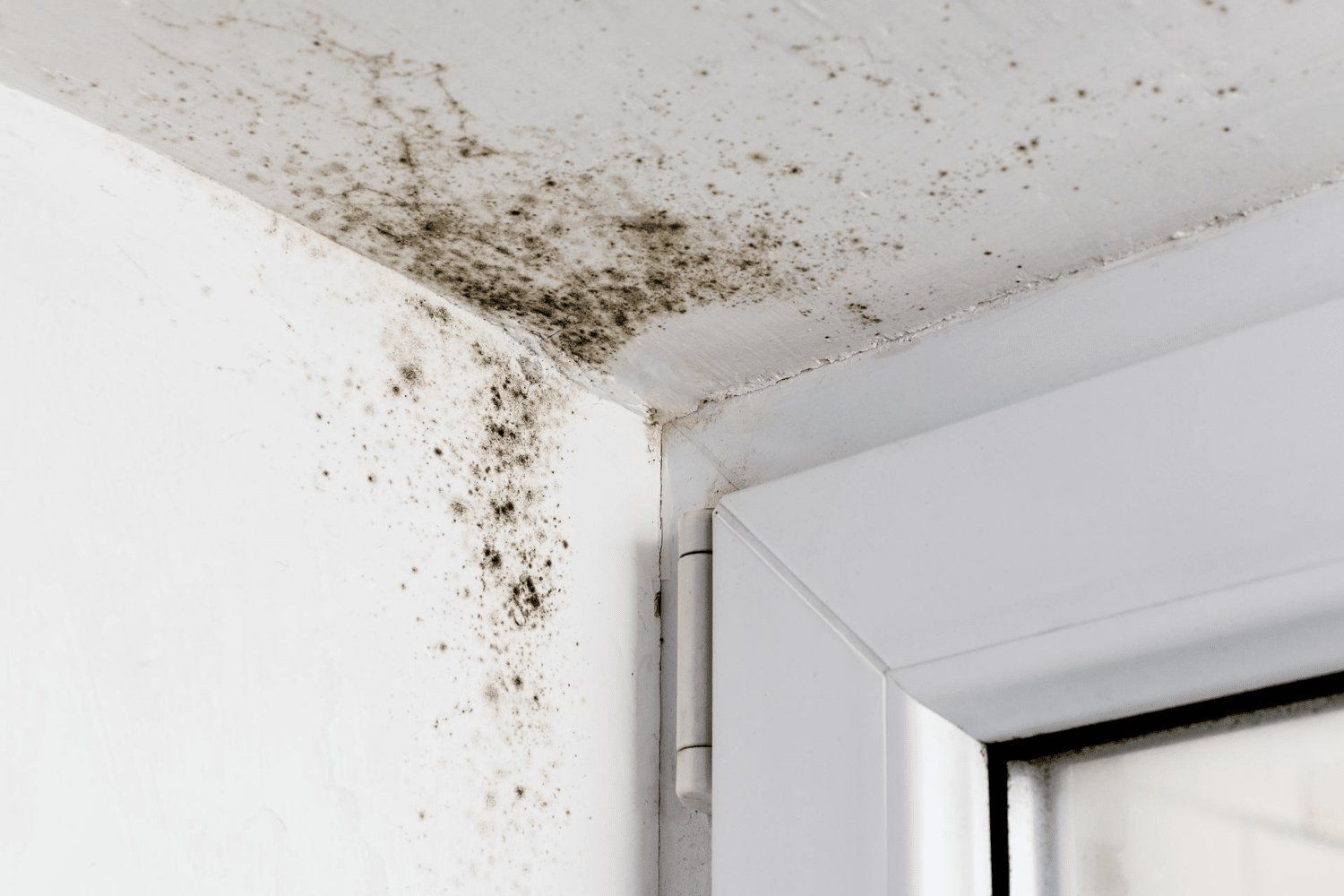
Mold problems often reveal themselves through subtle clues before removal becomes necessary. Homeowners commonly report persistent musty odors, discoloration on walls or ceilings, peeling paint, or warped flooring.
Closets, storage areas, and rooms near exterior walls may feel damp even when cooling systems operate normally. Condensation on windows or vents is another warning sign that humidity levels are too high.
These early signals often indicate hidden mold growth that requires professional inspection and removal.
Hidden Mold Sources in Bayfront Homes
One of the biggest challenges in mold removal is locating contamination in hidden areas. Professional inspections frequently uncover mold in places homeowners rarely check.
Common hidden mold locations include behind bathroom or kitchen walls, under flooring following minor plumbing leaks, inside air ducts, within attic insulation, or behind cabinets near exterior walls.
Because mold spreads in unseen areas, surface cleaning alone rarely solves the problem. Proper removal requires identifying all affected locations.
Why DIY Mold Removal Usually Fails
Many property owners attempt to clean mold themselves using bleach or household cleaners. While surfaces may appear clean temporarily, this rarely addresses the root issue.
DIY efforts often fail because moisture sources remain active. Mold roots penetrate porous materials like drywall and wood, meaning surface cleaning does not remove contamination completely.
Improper cleaning can also spread mold spores throughout the home, worsening the problem. Professional remediation focuses on both removal and moisture control to prevent recurrence.
How Professional Mold Inspection and Testing Works
Before removal begins, professionals perform detailed inspections to determine the extent of mold growth. Experienced technicians use moisture meters and specialized tools to locate hidden damp areas.
Inspections typically include checking walls and ceilings for moisture, inspecting attics and crawl spaces, examining air ducts, and sometimes collecting air or surface samples.
This process helps determine how widespread contamination is and identifies the moisture source responsible for growth.
Accurate inspections ensure remediation addresses the full problem rather than just visible areas.
What Proper Mold Removal and Remediation Involves
Professional mold removal involves careful containment and cleaning procedures designed to prevent spores from spreading. Affected areas are sealed off before remediation begins.
Depending on severity, remediation may include removing contaminated drywall, cleaning structural surfaces, applying antimicrobial treatments, and thoroughly drying affected materials.
Moisture sources such as leaks or ventilation problems are corrected to prevent mold from returning.
Restoration teams familiar with local conditions, including Tip Top Water and Fire Damage Restoration, often see cases where early remediation prevents extensive renovation costs later.
How Water Damage Leads to Mold Growth
Water intrusion events are common in coastal communities. Even minor flooding or plumbing leaks can quickly lead to mold if drying is delayed.
Water trapped inside walls or flooring creates ideal conditions for mold growth within a short period. Professional water extraction and structural drying immediately after water damage significantly reduce mold risk.
Prompt action following storms or plumbing incidents is critical in bayfront homes.
AC Systems and Air Ducts as Mold Sources
Air conditioning systems play a major role in mold problems throughout South Florida. When condensation accumulates inside ducts or around air handlers, mold can develop and spread through airflow.
Homeowners may notice musty odors or poor indoor air quality without realizing their HVAC system is involved.
Routine AC maintenance and duct inspections help prevent mold growth caused by trapped moisture.
Preventing Mold Problems in Bayfront Homes
While coastal moisture cannot be eliminated entirely, property owners can reduce mold risks through preventive maintenance.
Repair leaks promptly, maintain AC systems regularly, ensure good ventilation in bathrooms and kitchens, and monitor indoor humidity levels.
After storms, inspect properties quickly and dry affected areas immediately. Annual inspections also help catch moisture problems early before mold removal becomes necessary.
Preventive care helps protect both property condition and indoor comfort.
Why Local Experience Matters for Mold Removal
Mold removal challenges vary depending on location and building style. Professionals familiar with North Miami bayfront homes understand how coastal humidity, storms, and ventilation issues influence mold growth.
Local restoration teams serving North Miami Beach, Surfside, Bal Harbour, and Biscayne Park recognize common moisture entry points and typical problem areas in waterfront properties.
Companies like Tip Top Water and Fire Damage Restoration apply practical experience gained from working across local communities, helping property owners resolve mold issues efficiently.
A Practical Next Step for Property Owners
If your bayfront property shows signs of mold or persistent moisture, scheduling a professional inspection is a wise precaution. Early removal prevents mold from spreading and reduces restoration costs.
For homeowners and property managers in North Miami, addressing moisture and mold quickly protects both property value and indoor comfort. Acting early is always easier and more affordable than dealing with major repairs after mold spreads.