
A Property Owner’s Guide to Mold Removal in Biscayne Park
Owning property in Biscayne Park comes with a lot of benefits — mature trees, quiet streets, classic Florida homes, and close proximity to North Miami and Miami Shores. But it also comes with one persistent challenge: moisture.
In this part of Miami-Dade County, mold is not rare. It’s common. Between year-round humidity, heavy summer rains, aging plumbing, and AC condensation issues, properties in Biscayne Park face ideal conditions for mold growth.
If you own a home, rental property, or small commercial building here, understanding how mold removal really works — and why it needs to be done correctly — can protect your structure, your investment, and your long-term maintenance costs.
What Mold Removal Actually Means
Mold removal is not spraying a surface and wiping it down.
True mold remediation involves:
- Identifying the moisture source
- Determining how far contamination has spread
- Containing affected areas
- Removing compromised materials when necessary
- Cleaning and treating structural components
- Drying and stabilizing the environment
In Biscayne Park homes, mold often forms behind drywall, inside ceiling cavities, under flooring, and inside HVAC systems. What you see on the surface is rarely the full picture.
That’s why proper mold inspection and moisture detection come before any removal begins.
Why Mold Happens So Often in Biscayne Park
Biscayne Park sits just west of the Intracoastal and is surrounded by bayfront communities. That coastal air carries moisture year-round.
Combine that with:
- High summer humidity levels
- Hurricane season rainfall
- Older plumbing systems in mid-century homes
- Concrete block construction that traps moisture
- Tile roofs prone to flashing leaks
- Flat roof drainage issues
- Elevated water tables
…and you get ideal mold conditions.
In many older Biscayne Park homes built in the 1950s through 1980s, ventilation was not designed for modern humidity control standards. When air conditioning systems struggle or ductwork develops condensation, moisture accumulates quietly.
Over time, mold follows.
Common Signs Property Owners Notice
Mold problems rarely start dramatically. They build slowly.
Property owners in Biscayne Park and nearby North Miami Beach often notice:
- A musty odor when entering certain rooms
- Dark spots along ceiling edges
- Peeling paint or bubbling drywall
- Warped baseboards
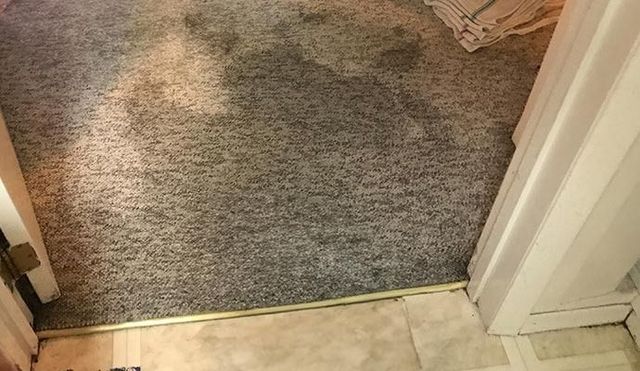
- Damp carpet padding after heavy rain
- AC vents with visible discoloration
- Increased indoor humidity
Sometimes tenants report recurring respiratory irritation. Other times, it’s just a persistent smell that won’t go away.
That smell is often your first real warning sign.
Hidden or Overlooked Sources
Some of the most serious mold cases in Biscayne Park start in areas no one regularly inspects.
Common hidden sources include:
- AC air handler closets
- Inside ductwork
- Under kitchen sinks with slow leaks
- Behind shower tile walls
- Attic insulation after roof leaks
- Crawl spaces with poor airflow
- Slab foundation moisture intrusion
In one local scenario, a Biscayne Park landlord noticed minor ceiling staining after a tropical storm. It looked cosmetic. Months later, mold had spread through attic insulation and down into interior walls due to slow roof flashing failure.
Surface cleaning would never have solved that.
Why DIY Mold Removal Usually Fails
Store-bought sprays address surface staining, not structural contamination.
DIY mold attempts often fail because:
- Moisture sources are not corrected
- Containment is not used
- Porous materials remain contaminated
- Spores spread during cleaning
- Underlying water damage is ignored
In humid environments like Biscayne Park and Surfside, mold can return quickly if humidity control isn’t stabilized.
Without proper drying equipment and moisture meters, most property owners cannot confirm whether affected materials are fully dry before rebuilding.
Professional Mold Inspection & Testing Explained
A professional mold inspection in Biscayne Park starts with moisture detection.
This includes:
- Thermal imaging
- Moisture meters
- Attic inspections
- HVAC system checks
- Roof and flashing evaluation
- Plumbing leak assessment
If necessary, mold testing may be performed to determine spore types and indoor air impact.
The goal isn’t alarm. It’s clarity.
An accurate inspection defines the scope of work so remediation can be controlled, targeted, and efficient.
Proper Mold Removal & Remediation Process
Effective mold remediation follows a clear structure.
1. Containment
Affected areas are isolated to prevent spore migration. This is especially important in occupied homes in Miami Shores and Aventura.
2. Air Filtration
HEPA filtration systems reduce airborne spores during removal.
3. Removal of Compromised Materials
Drywall, insulation, carpet padding, or cabinetry may need removal if contamination is deep.
4. Structural Cleaning
Wood framing, concrete block walls, and subfloors are cleaned and treated properly.
5. Drying
Industrial drying equipment ensures moisture levels return to safe ranges.
6. Clearance Verification
Moisture readings confirm stability before repairs begin.
This process protects the structure long-term.
Flood Restoration & Water Damage Repair
In Biscayne Park, many mold issues begin with water damage.
Heavy rains, king tides, and aging drain systems can cause:
- Interior flooding
- Roof leaks
- Window seal failure
- Foundation seepage
Flood restoration involves:
- Water extraction
- Carpet and flooring assessment
- Dehumidification
- Structural drying
- Water damage repair
Ignoring water intrusion, even if it appears minor, often leads directly to mold growth weeks later.
Proper flood restoration reduces that risk significantly.
Air Ducts, AC Systems & Mold
In coastal communities like Bal Harbour and Sunny Isles Beach, HVAC systems work year-round.
If ductwork develops condensation or if air handlers are not maintained, mold can grow inside:
- Supply vents
- Return ducts
- Drain pans
- Air handler closets
Air duct cleaning and moisture control are critical components of mold prevention.
When remediation includes HVAC inspection, long-term results improve dramatically.
How to Prevent Mold in Biscayne Park Homes
Prevention is about moisture control.
Property owners can reduce risk by:
- Inspecting roofs before hurricane season
- Cleaning gutters and flat roof drains
- Maintaining AC systems regularly
- Ensuring proper attic ventilation
- Addressing leaks immediately
- Using dehumidifiers in high-risk areas
- Monitoring indoor humidity levels
Homes near canals or bayfront areas require even more vigilance due to elevated moisture exposure.
Regular home maintenance is always cheaper than remediation.
Why Local Experience Matters
Mold removal in Arizona looks very different from mold removal in Biscayne Park.
Here, humidity never truly leaves. Salt air accelerates corrosion. Older homes have hidden vulnerabilities. Elevated water tables complicate drying.
Local professionals understand:
- Coastal air exposure
- Storm patterns
- Construction styles common in North Miami
- Typical plumbing and roofing failures
- Slab foundation moisture issues
That experience prevents over-treatment, under-treatment, and recurring problems.
Companies like Tip Top Water and Fire Damage Restoration approach mold remediation with a clear understanding of South Florida building conditions and moisture behavior. That local knowledge makes the difference between temporary fixes and long-term stability.
A Calm, Practical Next Step
If you suspect mold in your Biscayne Park property, don’t panic.
Start with inspection and moisture detection. Understand the scope. Confirm the source. Stabilize the environment.
Mold removal is a process — not a product.
When handled methodically and professionally, properties in Biscayne Park, North Miami Beach, Surfside, and surrounding coastal communities can be restored safely and efficiently.
Address moisture early. Inspect regularly. Act decisively.
That approach protects both your property and your peace of mind.