
A Property Owner’s Guide to Smoke Damage Cleanup in Bal Harbour
In Bal Harbour, properties are known for clean coastal architecture, high-end finishes, and carefully maintained interiors. When smoke damage occurs, even from a small incident, the impact can feel overwhelming.
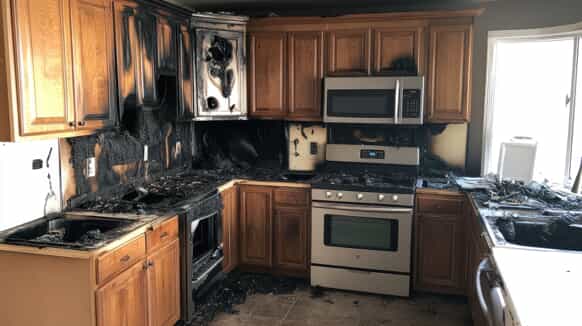
Unlike major structural fires, many smoke damage cases in Bal Harbour start small — a kitchen flare-up, an electrical malfunction, or a neighboring unit fire in a high-rise condo. The flames may be contained quickly, but smoke has already traveled.
For property owners in Bal Harbour and nearby communities like Surfside, Sunny Isles Beach, and North Miami Beach, understanding how smoke behaves in a coastal environment is essential to proper cleanup.
What Smoke Damage Actually Involves
Smoke damage is more than black residue on walls.
It includes:
- Fine soot particles settling on surfaces
- Acidic residues that can corrode metals
- Odor molecules embedded in porous materials
- Airborne particles trapped inside HVAC systems
In many Bal Harbour condos, central air systems circulate smoke quickly throughout the unit. Even rooms far from the fire source may show contamination.
Different types of fires create different residues. Grease fires leave sticky soot. Electrical fires produce darker, finer particles. Synthetic materials release heavier smoke that clings to walls and ceilings.
Regardless of the source, smoke spreads fast — often within minutes.
Why Smoke Cleanup Is Unique in Bal Harbour
Bal Harbour properties face two environmental factors that complicate smoke damage:
Humidity and Salt Air
Coastal humidity allows soot particles to absorb moisture. This can cause:
- Smearing during improper cleaning
- Deep staining in drywall
- Persistent odor reactivation
- Accelerated corrosion of metal fixtures
Salt exposure from ocean air can worsen corrosion when combined with acidic soot.
High-Rise Ventilation Systems
In condos, shared ventilation shafts can allow smoke to migrate between units. A fire in one residence can impact neighboring properties through duct systems or hallways.
Property owners sometimes discover smoke odor even though the fire occurred elsewhere in the building.
Common Signs Property Owners Notice
After a smoke event, visible damage may appear minimal. However, signs often include:
- Yellowing of white walls or ceilings
- Black staining near air vents
- Lingering smoky odor days later
- Residue on countertops and furniture
- AC blowing slightly smoky air
In some Bal Harbour properties, repainting seems to solve the issue temporarily. But if soot was not properly removed, odor often returns weeks later.
Upholstered furniture, drapes, and carpet padding are especially vulnerable. Even when surfaces appear clean, odor can remain embedded.
Hidden and Overlooked Areas
Smoke does not stop at visible surfaces.
It infiltrates:
- Attic spaces in low-rise homes
- Wall cavities
- Behind cabinetry
- Electrical outlets
- HVAC ductwork
- Closet interiors
In coastal homes near Surfside and North Miami, attic insulation can trap smoke odor. Warm temperatures amplify that odor during the day.
In high-rise settings, vertical duct shafts can distribute soot far beyond the original source.
If water was used during fire suppression, moisture combined with soot can complicate cleanup and increase mold risk.
Why DIY Smoke Cleaning Falls Short
Many property owners begin by wiping down walls and spraying deodorizer.
Unfortunately, soot particles are extremely fine and acidic. Standard household cleaners:
- Smear soot instead of lifting it
- Push residue deeper into porous surfaces
- Fail to neutralize odor molecules
Painting over contaminated surfaces without thorough cleaning often leads to staining bleeding through later.
In rental units across North Miami Beach and Bal Harbour, cosmetic fixes sometimes hide the issue temporarily, but persistent odor eventually reveals incomplete remediation.
Professional Smoke Damage Assessment
Effective cleanup starts with a detailed evaluation.
A proper assessment includes:
- Mapping soot distribution
- Inspecting HVAC systems
- Checking insulation and concealed spaces
- Measuring indoor humidity
- Identifying materials requiring removal
In humid South Florida conditions, moisture detection is critical. If fire suppression water entered the property, structural drying may be necessary before smoke cleanup is completed.
Tip Top Water and Fire Damage Restoration approaches smoke damage in coastal communities with both residue removal and humidity control in mind.
The Professional Cleanup Process
Thorough smoke cleanup follows a structured approach.
Containment
Affected areas are isolated to prevent cross-contamination.
Air Filtration
High-efficiency filtration equipment removes airborne soot particles.
Dry Soot Removal
Specialized vacuums and dry-cleaning methods lift soot without spreading it.
Surface Cleaning
Professional-grade soot cleaning solutions neutralize acidic residue.
Deodorization
Advanced odor-neutralizing techniques address odor molecules embedded in materials.
HVAC Cleaning
Air ducts and AC systems are cleaned to prevent recontamination.
Each step addresses a different layer of smoke contamination. Skipping one can result in lingering odor or recurring staining.
Water Damage and Mold Risk After Fire
Even minor fires in Bal Harbour condos often involve sprinkler systems or fire hoses.
Water introduced during suppression creates additional challenges. In Florida’s climate, damp materials can quickly become a mold risk.
Signs moisture may be lingering include:
- Musty smell
- Warping baseboards
- Bubbling paint
- Elevated indoor humidity
Combining smoke cleanup with moisture detection ensures that secondary mold growth does not develop weeks later.
Air Ducts and Indoor Air Quality
Central AC systems are almost always running in South Florida.
During a fire, smoke is pulled into return vents and distributed throughout the property. Without professional cleaning, soot inside ducts can continue circulating.
In high-rise buildings in Sunny Isles Beach and Aventura, shared systems may require coordination with building management.
Cleaning ductwork:
- Reduces odor
- Protects HVAC components from corrosion
- Improves indoor air quality
Ignoring HVAC contamination is one of the most common causes of lingering smoke odor.
Protecting High-End Finishes
Bal Harbour properties often feature:
- Custom cabinetry
- Stone countertops
- Hardwood flooring
- High-gloss painted walls
- Stainless steel appliances
Smoke residue can damage these surfaces if not handled correctly.
Acidic soot may dull finishes or corrode metal. Cleaning methods must be appropriate for each material type.
Experienced restoration professionals understand how to clean without damaging luxury finishes.
Preventing Long-Term Smoke Issues
After cleanup, maintaining a stable indoor environment helps prevent odor recurrence.
Property owners can:
- Monitor indoor humidity levels
- Service HVAC systems regularly
- Replace heavily contaminated insulation
- Use proper sealing primers before repainting
In coastal communities like Bal Harbour and Surfside, controlling indoor humidity below 60 percent reduces the chance of odor reactivation.
Routine maintenance also protects against corrosion caused by salt and residual soot.
Why Local Coastal Experience Matters
Smoke cleanup in Bal Harbour requires understanding coastal conditions.
Humidity, salt exposure, high-rise ventilation systems, and luxury materials all influence restoration strategy.
An approach designed for a dry inland property may not address the challenges of a coastal condo.
Tip Top Water and Fire Damage Restoration has handled smoke damage throughout Bal Harbour, North Miami, Sunny Isles Beach, and surrounding areas with methods tailored to Florida’s environment.
Local experience ensures that cleanup addresses both visible soot and the environmental factors that make smoke damage linger.
Moving Forward After Smoke Damage
Smoke damage can feel disruptive, especially in a well-maintained property.
But with proper inspection, structured cleaning, HVAC attention, and moisture control, properties in Bal Harbour can be restored effectively.
The key is thoroughness.
Addressing only surface staining is not enough. Hidden soot, embedded odor, and humidity interactions must all be considered.
With a comprehensive approach grounded in local knowledge, smoke-damaged properties can return to a clean, stable, and odor-free condition.