
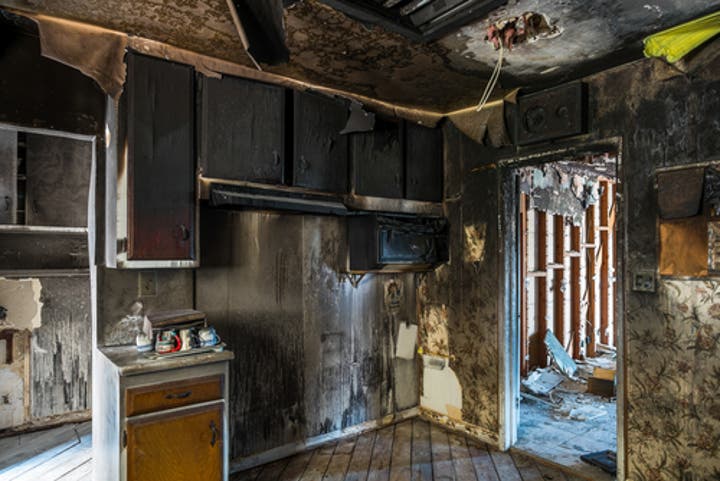
A Property Owner’s Guide to Smoke Damage Cleanup in North Miami
Smoke damage can impact a home even when a fire is small or contained quickly. In North Miami, where many homes and condominiums share walls, ventilation systems, or common building structures, smoke and soot can travel far beyond the original fire source. Property owners often discover that even minor kitchen fires or electrical incidents leave behind lingering odors and hidden contamination.
Understanding how smoke damage cleanup works helps homeowners and property managers respond calmly and protect their properties from long-term issues. Proper cleanup does more than improve appearance—it restores indoor air quality and prevents ongoing material damage.
This guide explains how smoke damage affects North Miami properties and what experienced restoration professionals focus on during cleanup.
Understanding Smoke Damage Inside Homes
Smoke damage occurs when burned materials release soot particles, odors, and chemicals that spread through a property. Even after flames are extinguished, smoke continues to affect surfaces and indoor air.
Common causes of smoke damage include:
- Kitchen cooking fires
- Electrical appliance malfunctions
- HVAC equipment fires
- Neighboring unit fires in condominiums
- Garage or storage fires
- Small accidental fires quickly extinguished
Smoke travels rapidly through ventilation systems, under doors, and inside wall cavities, leaving contamination throughout the property.
In many cases, homes show smoke damage even when fire occurred elsewhere in the building.
Why Smoke Damage Is Common in North Miami Properties
North Miami and nearby communities such as North Miami Beach, Miami Shores, and Biscayne Park include many multi-unit buildings and older homes where smoke can spread quickly between spaces.
Several local factors increase smoke damage risks:
- High-rise and multi-unit condominium living
- Older electrical systems in aging buildings
- Shared ventilation systems
- Close proximity of residential units
- AC systems circulating smoke between rooms
Even when fire damage appears limited, smoke often affects multiple areas within the property.
Common Signs Smoke Damage Has Spread
Smoke damage is not always obvious immediately after a fire. Property owners often notice issues days or weeks later.
Typical signs include:
- Lingering smoky or burnt odors
- Yellow or gray residue on walls or ceilings
- Soot accumulation near vents or surfaces
- Discoloration around light fixtures
- Persistent indoor air discomfort
- Dust-like particles settling on furniture
Sometimes residents clean visible soot only to find odors returning, indicating hidden contamination remains.
Hidden Areas Professionals Always Inspect
Experienced cleanup teams know smoke damage often extends beyond visible surfaces.
Common hidden contamination areas include:
- Inside HVAC air ducts
- Behind drywall and insulation
- Inside kitchen cabinets
- Inside closets and storage areas
- Around ceiling cavities
- Inside AC systems
- Behind appliances
Smoke particles are extremely small and can penetrate porous materials, making professional inspection essential.
Why DIY Smoke Cleanup Often Falls Short
After small fires, many homeowners attempt cleanup themselves. While wiping surfaces may improve appearance temporarily, odors often return.
DIY cleanup usually fails because:
- Smoke particles remain inside materials
- Odors stay trapped in porous surfaces
- HVAC systems continue spreading contamination
- Cleaning products cannot fully neutralize smoke residues
- Hidden areas remain untreated
Professional cleanup uses specialized techniques and equipment designed to remove contamination completely.
Step-by-Step Professional Smoke Damage Inspection
Cleanup begins with a thorough inspection to understand how far smoke contamination has spread.
Visual Assessment
Technicians inspect ceilings, walls, furniture, and ventilation systems for soot patterns.
Odor Detection
Professionals identify odor concentration areas to locate hidden contamination.
HVAC System Inspection
Air handlers and ductwork are examined to prevent continued circulation of smoke particles.
Damage Mapping
Affected areas are documented to guide cleaning and restoration efforts.
Accurate inspection prevents untreated areas from causing recurring odor problems.
Professional Smoke Damage Cleanup Process
Once inspection is complete, cleanup begins using specialized restoration methods.
The process typically includes:
- Removal of loose soot from surfaces
- HEPA vacuum cleaning
- Specialized surface cleaning solutions
- Air scrubbing equipment to remove airborne particles
- Odor neutralization treatments
- Cleaning or replacing contaminated materials when necessary
This structured approach restores indoor air quality and eliminates lingering smoke effects.
Connection Between Fire Damage and Water Damage
After fires, properties often experience water damage due to firefighting efforts. Water used to extinguish flames can soak walls, flooring, and ceilings.
If moisture is not properly removed, mold growth may develop later. Restoration professionals often perform moisture detection and drying after smoke cleanup to prevent future problems.
Water damage and smoke damage frequently require coordinated restoration efforts.
HVAC Systems and Smoke Contamination
Air conditioning systems can spread smoke particles throughout a home or building if not properly cleaned after a fire.
Smoke entering duct systems may later circulate odors back into rooms even after surfaces are cleaned.
Professionals often check:
- Air ducts and vents
- Air handlers and filters
- Drain pans and surrounding areas
- Insulation inside ducts
Cleaning or replacing contaminated components prevents recurring indoor air quality issues.
Preventing Long-Term Smoke Damage Problems
While fires cannot always be prevented, property owners can reduce future risks by maintaining home systems and responding quickly after incidents.
Preventive steps include:
- Regular electrical system inspections
- Safe cooking practices
- Maintaining HVAC equipment
- Installing smoke detectors and alarms
- Addressing small fires immediately
- Scheduling professional cleanup quickly after smoke exposure
Quick response significantly reduces restoration complexity.
Why Local Experience Matters in Cleanup
Smoke damage cleanup requires understanding local building layouts and construction styles common in North Miami communities.
Properties in Surfside, Bal Harbour, and Aventura include many high-rise buildings where smoke travels between units through ventilation and structural openings.
Local restoration professionals familiar with these building types can quickly identify where smoke contamination spreads.
Companies such as Tip Top Water and Fire Damage Restoration have extensive experience addressing smoke damage across North Miami and surrounding coastal communities, helping property owners restore homes efficiently.
Taking Calm, Practical Action After Smoke Damage
Smoke damage can feel overwhelming, but early professional cleanup usually restores homes successfully. Acting quickly prevents odors and contamination from becoming permanent problems.
If your property experiences smoke exposure, scheduling professional inspection ensures hidden contamination is properly addressed.
With timely cleanup and proper restoration, North Miami property owners can return their homes to clean, comfortable living conditions while protecting long-term property value and indoor air quality.