A Property Owner’s Guide to Water Damage Repair in Coastal Neighborhoods Near Biscayne Bay
Water damage is one of the most common property issues in coastal neighborhoods near Biscayne Bay. Between heavy summer storms, high humidity, salt-heavy air, and aging infrastructure in some homes, moisture problems can develop quickly and spread farther than many property owners expect.
Understanding how water damage repair works—and what to watch for—can help homeowners and property managers protect their properties, reduce repair costs, and prevent long-term structural problems.
What Water Damage Really Means
Water damage is not limited to visible flooding. In many cases, the most serious damage occurs behind walls, under flooring, or inside ceilings where moisture remains trapped.
When water enters a structure, materials such as drywall, insulation, and wood framing begin absorbing moisture almost immediately. In humid coastal environments, drying happens more slowly, allowing moisture to spread and increasing the likelihood of mold growth or material deterioration.
Water damage repair focuses not only on restoring the appearance of a property but also on ensuring that hidden moisture is removed and structural materials are stabilized.
Why Water Damage Is Common Near Biscayne Bay
Coastal conditions create several factors that increase the risk of water damage.
High humidity is one of the biggest contributors. Warm, moist air slows evaporation, meaning that even small leaks can remain wet for long periods.
Storm activity also plays a role. Wind-driven rain can enter through small openings in roofs, windows, and exterior walls. These entry points may allow water inside without immediately obvious signs.
Another common cause is air-conditioning condensation. In areas like North Miami, Miami Shores, and Surfside, AC systems run frequently, and clogged drain lines or poorly insulated ducts can release moisture into ceilings or walls.
Salt air adds another challenge. Salt particles attract moisture and can accelerate corrosion in metal components, sometimes leading to leaks in plumbing or HVAC systems.
Early Signs Property Owners Should Watch For
Recognizing early warning signs is one of the most effective ways to reduce repair costs.
A musty odor is often the first indication of hidden moisture. This smell may be strongest in closets, bedrooms near exterior walls, or rooms with limited ventilation.
Discoloration on ceilings or walls is another common sign. Yellow or brown stains often indicate slow leaks or prolonged moisture exposure.
Peeling paint, warped baseboards, or soft drywall may also signal water intrusion. Flooring that feels slightly uneven or swollen can indicate moisture beneath the surface.
Condensation on windows or vents may not always indicate a leak, but it often means humidity levels are high enough to support moisture problems.
Hidden Areas Where Water Damage Often Spreads
One of the biggest challenges in water damage repair is identifying all affected areas.
Water frequently travels behind walls and beneath flooring before becoming visible. Insulation can absorb large amounts of moisture and remain wet for long periods.
Subfloors are another common problem area. Even when carpets or tile appear dry, moisture may still be present underneath.
Air ducts and HVAC systems may also be affected, particularly if water intrusion occurs near ceiling vents or mechanical closets.
Without proper inspection tools, these hidden areas can continue to deteriorate even after surface drying appears complete.
Why DIY Repairs Often Fall Short
Many property owners attempt to handle water damage using fans, household cleaners, or basic repairs. While these steps may improve appearance temporarily, they rarely address the full extent of the damage.
Drywall and wood framing can retain moisture long after surfaces appear dry. Without professional drying equipment and moisture detection tools, it is difficult to determine when materials are truly dry.
Another common issue is repairing surfaces too quickly. Installing new drywall or flooring before drying is complete can trap moisture inside, leading to mold growth and recurring damage.
Professional water damage repair focuses on both drying and restoration to prevent future problems.
Professional Inspection and Moisture Detection
A thorough inspection is the first step in effective water damage repair.
Technicians evaluate visible damage and use moisture meters to measure water content in building materials. Thermal imaging may be used to locate hidden damp areas behind walls or ceilings.
Humidity levels inside the property are also assessed. In coastal environments near Biscayne Bay, controlling humidity is often essential to successful repairs.
Professionals also inspect plumbing systems, roofs, and HVAC equipment to identify the original source of water intrusion.
Companies such as Tip Top Water and Fire Damage Restoration frequently discover hidden moisture in areas homeowners did not initially suspect, particularly in coastal properties exposed to prolonged humidity.
The Water Removal and Drying Process
Once the source of water intrusion is identified and repaired, the drying process begins.
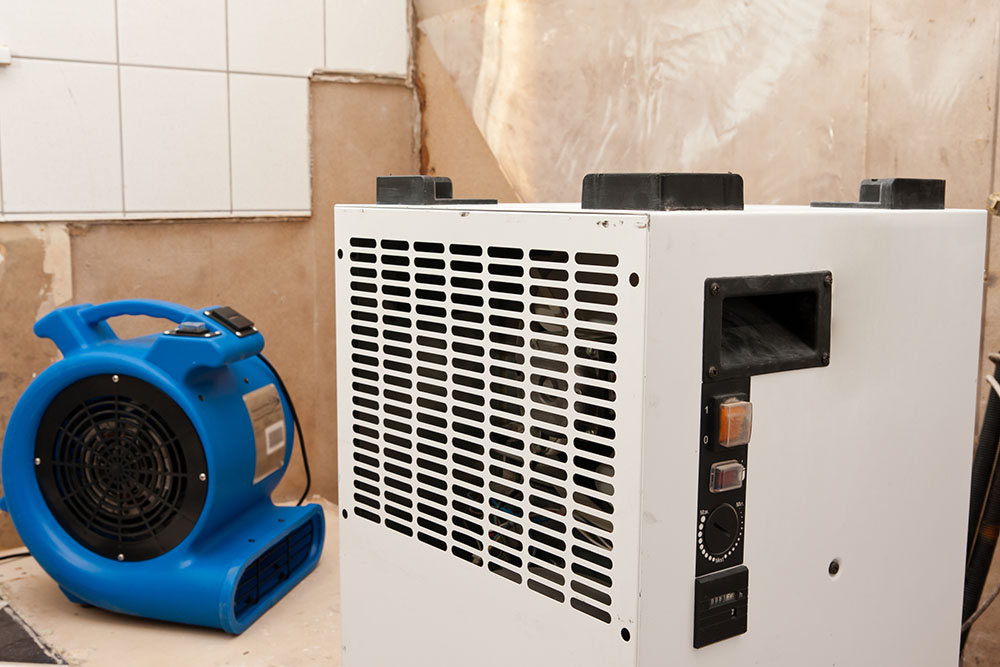
Standing water is removed using extraction equipment. Air movers and dehumidifiers are then used to accelerate evaporation and remove moisture from both surfaces and the surrounding air.
Drying may take several days, especially during humid summer months. Monitoring equipment is used to ensure that materials reach safe moisture levels before repairs begin.
Complete drying is essential because even small amounts of trapped moisture can lead to mold growth or structural damage later.
Repairs and Restoration After Drying
After drying is complete, damaged materials are repaired or replaced.
This may include patching drywall, repainting walls, replacing baseboards, or installing new flooring. In some cases, insulation or sections of subflooring must also be replaced.
Restoration focuses on returning the property to its original condition while ensuring that moisture-related issues do not return.
Mold Risks After Water Damage
Mold growth is one of the most common secondary problems following water intrusion. Mold thrives in warm, humid environments and can begin developing within a day or two when moisture is present.
In coastal neighborhoods, prolonged humidity often extends drying times, increasing the risk of mold if repairs are delayed.
Prompt water removal and thorough drying significantly reduce this risk and help maintain indoor air quality.
HVAC Systems and Moisture Control
Air-conditioning systems play a major role in moisture management. When systems are not functioning properly, humidity levels can rise and slow the drying process.
Clogged drain lines, dirty coils, or leaking ducts can all contribute to indoor moisture problems. Regular maintenance helps ensure that HVAC systems remove humidity effectively.
In many homes across North Miami Beach and Biscayne Park, improving ventilation and airflow has significantly reduced recurring moisture issues.
Practical Steps to Prevent Future Water Damage
Preventing water damage begins with routine maintenance and early detection.
Inspecting roofs, plumbing fixtures, and windows regularly helps identify potential leaks before they cause significant damage. Keeping gutters and drainage systems clear also reduces the risk of water intrusion.
Using dehumidifiers during humid periods can help control indoor moisture levels. Ensuring proper ventilation in bathrooms, kitchens, and laundry rooms also reduces condensation.
After storms, checking ceilings, walls, and flooring for early signs of moisture allows homeowners to respond quickly.
Why Local Experience Matters
Water damage repair in coastal neighborhoods requires an understanding of how humidity, salt air, and building construction affect drying times and moisture behavior.
Professionals familiar with North Miami, Surfside, and nearby bayfront communities know where hidden moisture is most likely to occur and how to manage drying in high-humidity environments.
Tip Top Water and Fire Damage Restoration has handled many water damage cases where early intervention prevented extensive repairs and long-term structural problems.
Local experience helps ensure that repairs are thorough, effective, and designed to prevent recurrence.
A Calm, Practical Next Step
Water damage can be stressful, but timely inspection and proper repair methods can significantly reduce its impact. By recognizing early warning signs, ensuring complete drying, and addressing moisture sources, property owners can protect their homes and avoid larger restoration projects in the future.
With the right approach, most water damage issues in coastal neighborhoods near Biscayne Bay can be resolved efficiently and safely.