A Property Owner’s Guide to Water Leak Detection in Coastal Neighborhoods Near Biscayne Bay
Water leaks are one of the most common and costly problems faced by property owners in coastal neighborhoods near Biscayne Bay. The combination of South Florida’s heavy rainfall, high humidity, aging infrastructure, and proximity to saltwater makes homes and rental properties particularly vulnerable. Left undetected, even minor leaks can lead to mold growth, structural damage, and compromised indoor air quality.
For homeowners, landlords, and property managers in areas like North Miami, North Miami Beach, Surfside, Bal Harbour, Miami Shores, Aventura, and Biscayne Park, understanding water leak detection is crucial. This guide explores the sources, warning signs, detection methods, and preventive strategies to safeguard coastal properties.
Understanding Water Leaks
A water leak is any unintended flow of water from plumbing, fixtures, or structural systems that can damage property over time. In coastal Biscayne Bay neighborhoods, leaks can come from multiple sources:
- Plumbing Failures – Aging pipes, corroded fittings, or loose connections can cause slow leaks behind walls or under floors.
- Roof Leaks – Storms, hurricanes, and high tides can force water into roofing systems, allowing water to seep into ceilings and walls.
- AC Condensation – Central air conditioning systems operating year-round produce condensation that, if not properly drained, can lead to leaks.
- Foundation and Slab Leaks – Groundwater intrusion through slab cracks is common in older coastal homes.
- Appliance Failures – Water heaters, dishwashers, and washing machines can develop leaks over time.
Even a small, undetected leak can create serious problems in high-humidity environments, including warped floors, drywall damage, and microbial growth.
Why Coastal Homes Are Especially Vulnerable
Biscayne Bay coastal neighborhoods present unique conditions that increase the risk of leaks:
- High Humidity – Moisture in the air accelerates water-related damage and promotes mold growth.
- Salt Air Exposure – Salt-laden air can corrode pipes, fasteners, and HVAC components, increasing leak likelihood.
- Older Construction – Many properties have aging plumbing and roofing systems prone to failure.
- Stormwater Intrusion – Hurricanes, tropical storms, and king tides can drive water into homes through roofs, windows, or foundations.
- AC System Strain – Continuous use of HVAC systems during hot months can overwhelm drainage and leak into ceilings and floors.
Understanding these vulnerabilities helps property owners prioritize inspection, detection, and preventive maintenance.
Common Signs of Water Leaks
Property owners should look for early warning signs that may indicate a hidden leak:
- Discolored Ceilings or Walls – Yellow, brown, or dark stains suggest water intrusion.
- Peeling Paint or Wallpaper – Moisture behind surfaces can cause materials to lift.
- Warped or Soft Flooring – Water damage to hardwood, laminate, or tile underlayments leads to visible distortion.
- Musty Odors – Persistent damp smells can indicate mold or stagnant water.
- High Water Bills – Unexplained increases may signal hidden leaks.
- Dripping Sounds – Constant or intermittent water noise inside walls or ceilings may reveal a leak.
Prompt detection reduces repair costs and prevents escalation into mold or structural damage.
Hidden or Overlooked Sources
Not all leaks are visible. Some of the most overlooked sources include:
- Slab Leaks – Pipes under concrete slabs can leak slowly, often without immediate surface evidence.
- Roof Valleys and Flashing – Minor storm damage or aging roofing can allow water into attic spaces.
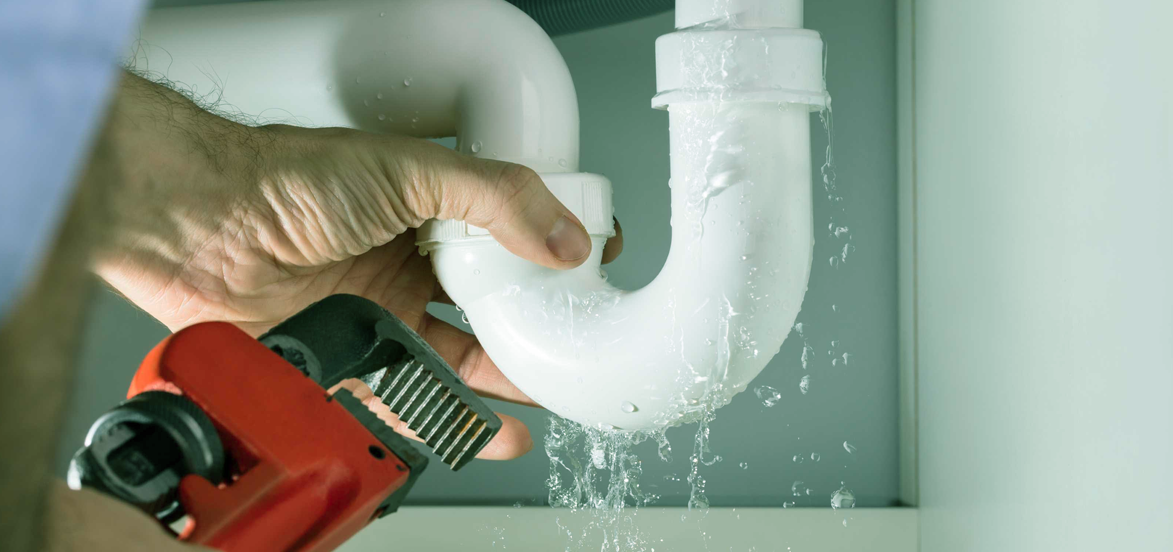
- Bathroom and Kitchen Fixtures – Leaks behind toilets, under sinks, or around tubs can go unnoticed for months.
- HVAC Drain Lines – Condensate lines may clog and overflow, leading to ceiling or floor water damage.
- Appliance Supply Lines – Washing machines, ice makers, and dishwashers can develop pinhole leaks.
Identifying these sources requires systematic inspection and often professional moisture detection equipment.
Methods for Water Leak Detection
Experienced inspectors use a variety of techniques to locate leaks accurately:
- Visual Inspection – Checking ceilings, walls, floors, and plumbing for obvious signs of moisture.
- Moisture Meters – Measuring moisture levels inside drywall, wood, and flooring.
- Infrared/Thermal Imaging – Detecting temperature differences caused by water behind surfaces.
- Pressure Testing – Verifying plumbing integrity and identifying hidden leaks.
- Ultrasonic Leak Detection – Capturing high-frequency sounds from pressurized water leaks.
Professional detection ensures that even hidden or slow leaks are identified before causing extensive damage.
Why DIY Leak Detection Often Fails
Many homeowners attempt to find leaks themselves, but DIY methods may be insufficient:
- Surface inspection misses concealed leaks behind walls or under slabs.
- Moisture readings without proper calibration can be inaccurate.
- Thermal imaging or ultrasonic equipment is costly and requires training.
- Early-stage leaks may produce subtle signs, undetectable without specialized tools.
Professional water leak detection combines advanced equipment with expertise to pinpoint sources accurately, preventing long-term damage.
Consequences of Undetected Leaks
Ignoring a leak in a coastal property can lead to:
- Mold Growth – Moisture accumulation in walls, flooring, or insulation encourages microbial growth.
- Structural Damage – Wood, drywall, and other materials weaken and warp over time.
- HVAC System Damage – Water intrusion into ducts or air handlers can degrade performance and air quality.
- Corrosion – Saltwater and humid air accelerate deterioration of metal components.
- Higher Repair Costs – Damage compounds if not addressed early, leading to extensive restoration needs.
Early detection and remediation are critical to avoiding these long-term issues.
Preventive Strategies for Property Owners
Property owners can minimize water damage risk through regular maintenance and monitoring:
- Routine Plumbing Inspection – Check pipes, fittings, and appliances for signs of wear.
- Roof Maintenance – Repair minor damage and ensure proper flashing to prevent leaks.
- HVAC Drain Maintenance – Inspect and clean condensate lines and pans regularly.
- Moisture Monitoring – Use sensors or periodic inspections in attics, crawl spaces, and slab areas.
- Seal Windows and Doors – Maintain weatherproofing to keep stormwater out.
- Educate Tenants – Encourage prompt reporting of leaks in rental properties.
Implementing these preventive measures reduces the likelihood of hidden water damage and costly repairs.
Why Local Expertise Matters
Water leak detection in coastal neighborhoods near Biscayne Bay requires knowledge of local conditions:
- Understanding high humidity and its effect on structural materials
- Recognizing typical intrusion patterns from storms and king tides
- Inspecting HVAC systems designed for year-round operation
- Detecting corrosion risks due to salt air exposure
Tip Top Water and Fire Damage Restoration has extensive experience in North Miami, North Miami Beach, Surfside, Bal Harbour, Miami Shores, Aventura, and nearby bayfront communities. Their team combines advanced leak detection tools with local knowledge to identify problems early and prevent long-term damage.
Conclusion
Water leaks in coastal properties near Biscayne Bay are often hidden, gradual, and highly destructive if not addressed promptly. Property owners in North Miami, North Miami Beach, and nearby bayfront neighborhoods should remain vigilant for early signs, employ professional detection methods, and implement preventive maintenance to protect their investment.
Early detection not only prevents costly repairs but also safeguards indoor air quality, structural integrity, and long-term property value. With local expertise and proactive strategies, homeowners and landlords can maintain safe, resilient, and comfortable coastal properties.