
A Property Owner’s Guide to Water Removal in Coastal Neighborhoods Near Biscayne Bay
Living near Biscayne Bay — whether in North Miami, Miami Shores, Biscayne Park, Aventura, Surfside, or Sunny Isles Beach — comes with incredible waterfront access and property value. It also comes with one unavoidable reality: water intrusion is part of coastal life.
Heavy rain, storm surge, rising groundwater, plumbing failures, and AC drain backups all contribute to water damage in bayfront homes and condos. When water enters the structure, immediate and proper water removal is critical.
This guide explains what property owners in coastal neighborhoods near Biscayne Bay need to understand about water removal — and how to prevent long-term damage.
Why Water Removal Is More Urgent in Coastal Areas
In inland regions, dry air helps speed up evaporation. Near Biscayne Bay, humidity remains high year-round.
That means:
- Water dries more slowly
- Moisture spreads more easily
- Mold develops faster
- Materials remain damp longer
Even a small leak can become a significant structural issue if not handled quickly.
In North Miami and nearby waterfront communities, the combination of heat and humidity shortens the safe window for response.
Acting within the first 24–48 hours dramatically reduces risk.
Common Causes of Water Intrusion Near Biscayne Bay
Understanding the source helps guide proper removal.
Typical causes include:
- Wind-driven rain during tropical storms
- Storm surge entering ground-level units
- Roof leaks after hurricane season
- Plumbing leaks inside walls
- AC condensate drain failures
- Slab moisture migration
- Balcony drainage overflow in condos
Each cause requires both water removal and correction of the source.
Without source repair, future intrusion is likely.
Step 1: Stop the Source Immediately
Before water removal begins, identify and stop the water source.
This may involve:
- Shutting off water supply lines
- Securing roof damage
- Clearing blocked balcony drains
- Pumping out standing exterior water
- Repairing broken plumbing connections
If the source remains active, removal efforts are wasted.
In high-rise buildings in Aventura and Sunny Isles Beach, coordination with building management may be necessary.
Step 2: Rapid Water Extraction
Standing water spreads quickly across floors and into adjacent rooms.
Professional extraction equipment removes water from:
- Tile and grout
- Hardwood flooring
- Carpet and padding
- Subfloors
- Baseboards
In slab-on-grade homes common in Miami Shores and Biscayne Park, water can migrate laterally beneath flooring.
Surface drying is not enough.
Industrial extractors remove moisture deep within materials.
Step 3: Remove Saturated Materials
Not all materials can be saved.
Wet materials that often require removal include:
- Carpet padding
- Insulation
- Lower sections of drywall
- Warped baseboards
- Damaged cabinetry
In humid coastal climates, leaving saturated materials in place increases mold risk dramatically.
Selective demolition prevents contamination from spreading.
Step 4: Structural Drying and Dehumidification
Water removal does not end with extraction.
Moisture remains trapped in:
- Wall cavities
- Framing
- Subfloors
- Concrete slabs
Controlled drying requires:
- Commercial-grade dehumidifiers
- High-velocity air movers
- Continuous humidity monitoring
- Daily moisture readings
Opening windows rarely helps in South Florida because outdoor air carries moisture.
Indoor humidity must be reduced below outdoor levels for effective drying.
Step 5: Moisture Detection and Monitoring
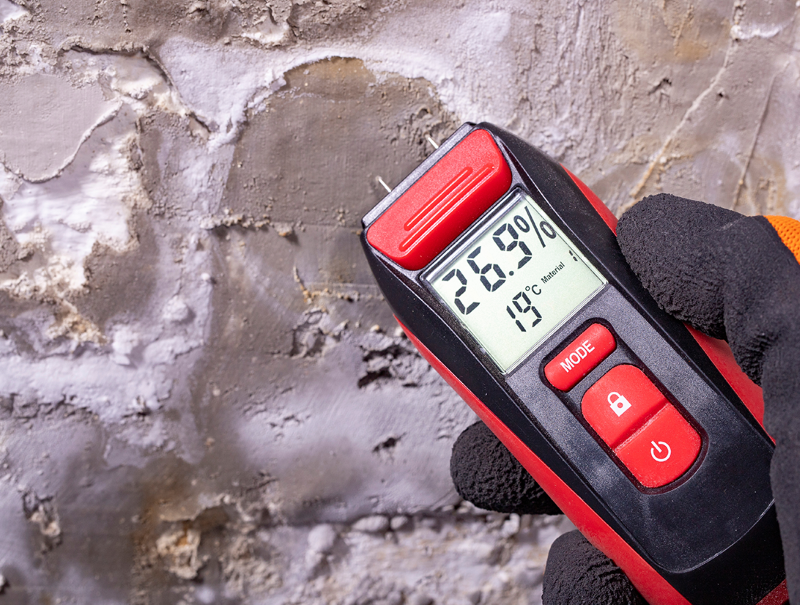
Moisture meters and thermal imaging tools identify hidden damp areas.
This step is critical because:
- Water may travel farther than visible damage suggests
- Ceiling cavities may retain moisture
- Slab foundations dry slowly
- Insulation holds water longer than drywall
Monitoring continues until readings confirm materials have returned to safe levels.
Skipping this step leads to recurring damage.
Step 6: Mold Risk Assessment
In coastal neighborhoods near Biscayne Bay, mold can begin forming within 24–48 hours after water exposure.
After water removal, professionals inspect for:
- Musty odors
- Visible growth
- Elevated humidity
- Damp framing
If mold is present, remediation may be required before reconstruction begins.
Preventing mold is far easier than removing it later.
Step 7: HVAC Inspection
Water intrusion and high humidity can affect HVAC systems.
Inspection should include:
- Air handler compartments
- Drain pans
- Duct insulation
- Return vents
If moisture enters duct systems, it may circulate throughout the home.
Air duct cleaning may be necessary in certain cases.
Maintaining HVAC performance supports long-term humidity control.
Special Considerations for Storm Surge
Storm surge introduces saltwater and debris.
Saltwater contamination:
- Accelerates corrosion
- Damages electrical components
- Leaves residue behind
- Weakens structural fasteners
Flooded areas exposed to saltwater require thorough cleaning beyond simple drying.
Electrical panels and appliances should be evaluated after surge events.
In coastal homes near Surfside and Bal Harbour, salt exposure adds another layer of complexity.
High-Rise Condo Water Removal Challenges
In Aventura and Sunny Isles Beach, many properties are high-rise condos.
Water removal in these buildings may involve:
- Shared vertical plumbing systems
- Upper-unit leaks affecting lower units
- Mechanical rooms on lower floors
- Common area damage
Coordination with building management is often required.
Containment prevents cross-unit moisture migration.
Preventive Measures for Coastal Property Owners
Water removal is reactive. Prevention reduces future risk.
Property owners near Biscayne Bay can:
- Inspect roofs before hurricane season
- Seal windows and doors annually
- Maintain AC drain lines
- Monitor indoor humidity levels
- Install water detection sensors
- Ensure proper exterior drainage
Vacation properties should maintain active climate control even when unoccupied.
Humidity buildup in empty units is a common cause of hidden damage.
Why Local Coastal Experience Matters
Water removal in coastal neighborhoods requires understanding:
- Wind-driven rain behavior
- Slab moisture migration
- Saltwater contamination
- High-rise building dynamics
- Humidity-controlled drying techniques
A restoration professional familiar with North Miami, Miami Shores, Biscayne Park, Aventura, Surfside, and nearby bayfront communities understands how these environmental factors influence water behavior.
Tip Top Water and Fire Damage Restoration has handled water removal projects throughout these coastal areas, applying drying strategies tailored specifically to South Florida’s humid climate.
Local expertise ensures complete drying — not surface-level cleanup.
A Practical Perspective for Waterfront Property Owners
Water removal in coastal neighborhoods near Biscayne Bay is not just about clearing visible water.
It involves:
- Immediate source control
- Thorough extraction
- Removal of saturated materials
- Controlled structural drying
- Moisture monitoring
- Mold prevention
- HVAC evaluation
Coastal humidity makes every step more time-sensitive.
Acting quickly and following a structured process protects structural integrity, indoor air quality, and long-term property value.
Water intrusion may be part of coastal living — but long-term damage does not have to be.
Understanding the process empowers property owners to respond confidently and effectively when water removal becomes necessary.