
A Property Owner’s Guide to Water Removal in Sunny Isles Beach
Water intrusion is a common concern for property owners in Sunny Isles Beach. Coastal weather, heavy rainfall, plumbing failures, and humidity all contribute to conditions where water can enter a home or building unexpectedly. Whether caused by a storm, a leaking pipe, or an air conditioning issue, standing water must be removed quickly to prevent long-term damage.
Many property owners assume water removal simply means drying visible water, but the process is more complex. Proper removal involves locating hidden moisture, drying structural materials, and preventing mold growth. Understanding how the process works helps homeowners and landlords respond quickly and protect their property.
What Water Removal Really Means
Water removal is the first and most important step after water intrusion. It involves extracting standing water and removing moisture from floors, walls, and other building materials.
Water spreads quickly through porous materials such as drywall, insulation, wood framing, and carpet padding. Even after the surface appears dry, moisture may remain trapped beneath flooring or behind walls. If this hidden moisture is not addressed, it can lead to structural deterioration or mold growth.
Professional water removal focuses on both visible water and hidden dampness to ensure the property is thoroughly dried.
Why Water Problems Are Common in Sunny Isles Beach
Sunny Isles Beach properties are exposed to environmental conditions that increase the risk of water intrusion. Coastal storms and heavy rainfall can overwhelm drainage systems or expose small vulnerabilities in roofs and windows. Wind-driven rain is also a frequent cause of moisture entering exterior walls.
Humidity is another major factor. Because the air already contains high moisture levels, evaporation happens more slowly than in drier climates. Materials that would normally dry in a day may remain damp for several days in South Florida conditions.
Air conditioning systems can also contribute to water issues. Clogged condensate lines or excess condensation can lead to water buildup in ceilings, closets, or around air handlers.
Signs That Water Removal May Be Needed
Water damage is not always obvious at first. In many cases, the earliest signs are subtle and easy to overlook. Property owners may notice musty odors, small stains on ceilings, or minor warping in flooring.
Other warning signs include:
- Peeling paint or bubbling drywall
- Damp or discolored baseboards
- Persistent humidity indoors
- Soft or uneven flooring
These signs often indicate hidden moisture rather than surface water. Acting early prevents more serious damage from developing.
Hidden Sources of Water Intrusion
One of the challenges professionals face is identifying where water is coming from. In coastal homes, water may enter through roof leaks, window seals, or small gaps in exterior walls. Plumbing leaks behind walls are also common and may go unnoticed for long periods.
In some cases, water travels along framing or beneath flooring, appearing far from the original source. For example, a leak in an upstairs bathroom may cause damage in a ceiling several rooms away.
Because of this, professional inspections are essential to locate the true source of moisture.
Why DIY Water Cleanup Often Falls Short
Many property owners attempt to remove water using mops, towels, or household fans. While these methods may remove surface water, they rarely eliminate moisture trapped inside materials.
Without professional drying equipment, it is difficult to determine whether walls, subfloors, or insulation are fully dry. Moisture left behind can lead to mold growth or structural weakening.
Professional water removal uses high-powered extraction equipment and commercial dehumidifiers designed to dry materials thoroughly and efficiently.
Professional Moisture Detection and Inspection
Before drying begins, technicians perform a detailed inspection to determine how far water has spread. Moisture meters measure the amount of water inside materials, while thermal imaging equipment helps locate damp areas that are not visible to the eye.
This step ensures that drying equipment is placed in the most effective locations. In many Sunny Isles Beach homes, inspections reveal moisture beneath flooring or inside wall cavities that homeowners were unaware of.
Companies like Tip Top Water and Fire Damage Restoration often emphasize moisture detection as a key step in preventing long-term problems after water intrusion.
The Water Removal and Drying Process
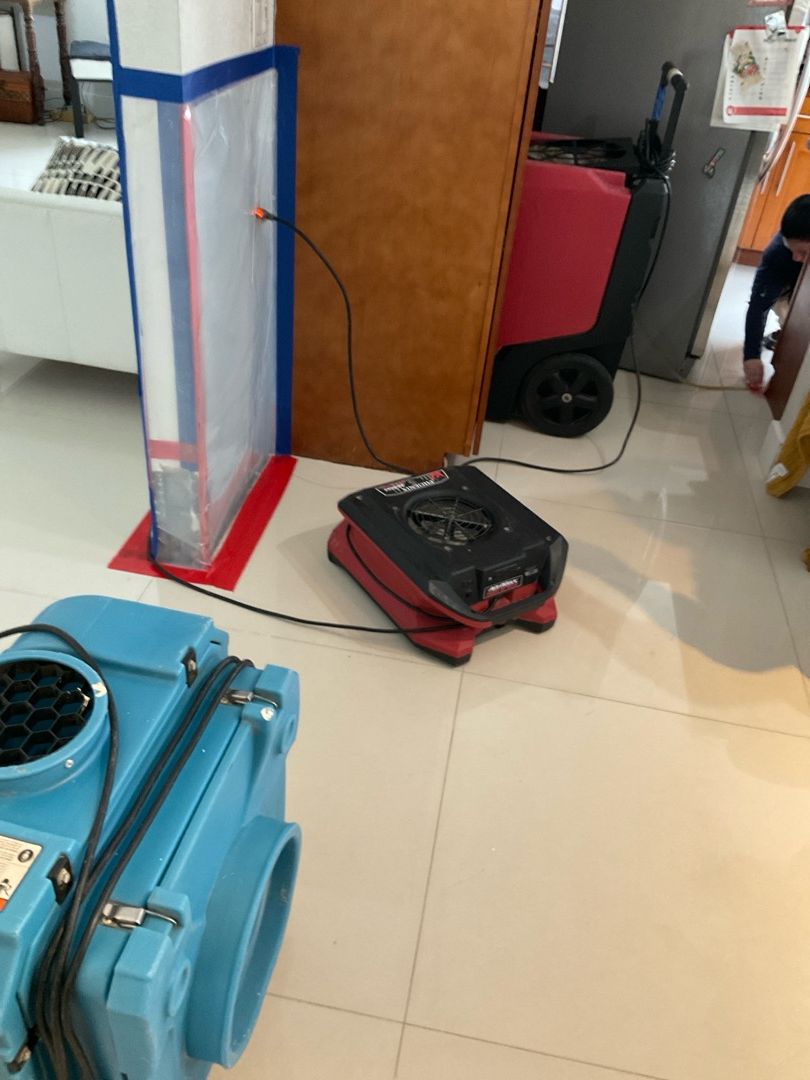
Once the extent of the damage is determined, the removal process begins. Standing water is extracted using powerful pumps or vacuums. After extraction, air movers and dehumidifiers are set up to accelerate drying.
Air movers increase airflow across wet surfaces, while dehumidifiers remove moisture from the air. This combination allows structural materials to dry more quickly, reducing the risk of mold growth.
Technicians monitor moisture levels regularly to ensure the drying process is complete before repairs begin. This careful monitoring helps prevent recurring moisture issues.
Mold Risks After Water Damage
Mold is one of the biggest concerns after water intrusion, especially in warm and humid climates like Sunny Isles Beach. Mold can begin to develop within a short period of time when moisture remains in building materials.
Mold often grows in hidden areas such as behind drywall, under flooring, or inside insulation. Because it is not always visible, early drying and inspection are essential.
Proper water removal significantly reduces the likelihood of mold growth and helps maintain healthy indoor air quality.
Air Conditioning Systems and Humidity Control
Air conditioning systems play an important role in managing indoor humidity, but they can also be affected by water damage. If moisture enters ducts or air handlers, humid air may circulate throughout the home, making drying more difficult.
During water removal projects, technicians often inspect HVAC systems to ensure they are functioning properly and not contributing to moisture problems.
Maintaining clean ducts and clear drain lines helps prevent recurring humidity issues.
Preventing Future Water Problems
Preventive maintenance is one of the most effective ways to reduce the risk of water intrusion. Property owners in Sunny Isles Beach can protect their homes by inspecting roofs regularly, maintaining plumbing systems, and ensuring gutters and drainage systems are clear.
Addressing small leaks promptly prevents minor issues from becoming major repairs. Monitoring indoor humidity levels also helps identify developing problems early.
Sealing windows and maintaining exterior walls are additional steps that help reduce the likelihood of wind-driven rain entering the structure.
Why Local Experience Matters
Water removal in coastal areas requires an understanding of local climate conditions and construction methods. Homes in Sunny Isles Beach face unique challenges due to humidity, salt air exposure, and frequent storms.
Professionals familiar with nearby communities such as North Miami Beach, Aventura, and Bal Harbour understand how moisture behaves in coastal structures and how to dry materials effectively in humid environments.
Local experience allows technicians to identify risks quickly and recommend practical solutions tailored to the area.
A Practical Approach to Protecting Your Property
Water intrusion can occur unexpectedly, but proper water removal helps prevent long-term damage. Identifying moisture quickly, drying materials thoroughly, and repairing affected areas properly are essential steps in restoring a home or building safely.
For property owners in Sunny Isles Beach, paying attention to early warning signs and scheduling inspections when needed can prevent small issues from becoming costly repairs. With timely action and proper maintenance, homes can remain comfortable, dry, and protected despite the challenges of South Florida’s coastal climate.