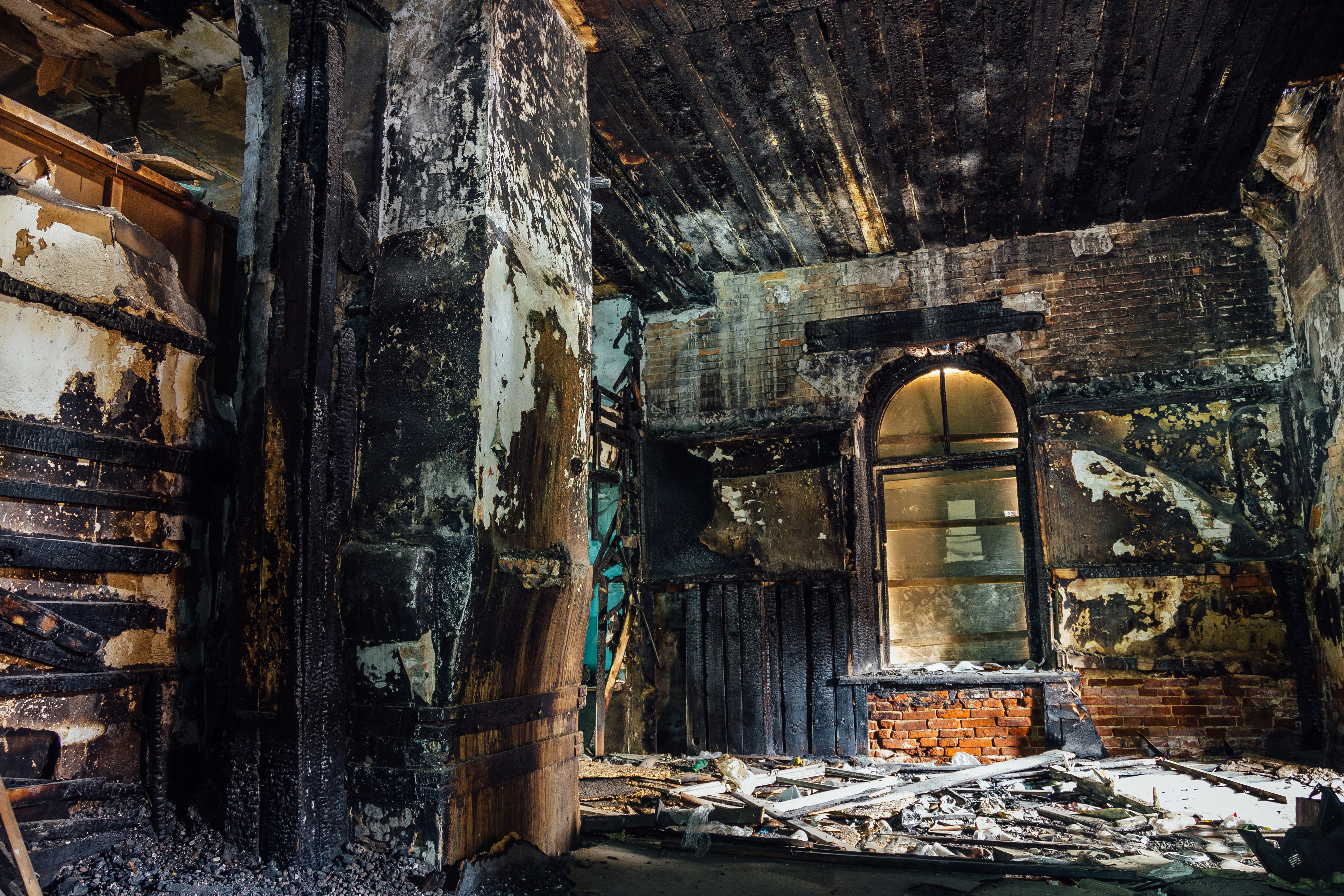
A Realistic Guide for Property Owners: Fire Damage Restoration Challenges in Surfside
Fire damage is one of the most difficult situations a property owner can face. Even small fires can affect walls, ceilings, air systems, and structural materials far beyond the area where flames were visible. In coastal communities like Surfside, restoration presents additional challenges because humidity, salt air, and ventilation conditions can complicate cleanup and drying.
Understanding how fire damage restoration works—and the challenges involved—helps homeowners and property managers make better decisions after a fire event.
Understanding Fire Damage Beyond Burned Areas
Many people assume fire damage is limited to what the flames directly touched. In reality, smoke, soot, and moisture from firefighting efforts often spread throughout the property.
Fire damage can include:
- Soot residue on walls, ceilings, and surfaces
- Smoke odors trapped in porous materials
- Water damage from fire suppression
- Corrosion caused by acidic soot particles
- HVAC contamination
Even areas far from the source of the fire can be affected, especially in properties where air circulates through central duct systems.
Why Fire Restoration Can Be More Challenging in Surfside
Surfside’s coastal environment creates conditions that make restoration more complex than in dry climates.
Several local factors contribute:
- High humidity slows drying after firefighting water is used
- Salt air accelerates corrosion of metal fixtures and equipment
- Warm temperatures can intensify lingering odors
- Condensation may form on surfaces during restoration
Because moisture and smoke residue often interact, properties in coastal areas sometimes require more thorough drying and cleaning processes.
Common Problems Property Owners Notice After a Fire
After the fire is extinguished, many property owners expect cleanup to be straightforward. However, damage often becomes more noticeable in the days that follow.
Common issues include:
- Persistent smoke odor
- Dark staining on walls and ceilings
- Residue on vents and air returns
- Warping or swelling of materials exposed to water
- Increased indoor humidity
These problems can worsen if cleanup and drying are delayed.
Hidden Damage That Is Often Overlooked
Some of the most serious fire-related damage is not immediately visible. Professionals performing restoration inspections often look for hidden effects in areas such as:
- Inside ductwork
- Behind drywall or insulation
- Under flooring exposed to water
- Attics where smoke may accumulate
- Electrical systems affected by heat
Without proper inspection, these hidden issues can continue affecting indoor air quality and structural materials.
Why DIY Cleanup Usually Falls Short
Property owners sometimes attempt to clean soot or smoke residue themselves. While wiping visible surfaces may remove some residue, soot particles are extremely fine and can embed into porous materials.
DIY cleanup often fails because:
- Smoke odors remain trapped in materials
- Residue spreads when improperly cleaned
- Moisture from firefighting may not be fully dried
- Air systems may continue circulating contaminated air
Professional restoration focuses on removing contaminants at the source rather than just improving surface appearance.
The Professional Fire Damage Inspection Process
Restoration professionals typically begin with a detailed inspection to determine the full extent of fire, smoke, and water damage.
This evaluation usually includes:
- Examining structural materials
- Identifying soot and smoke spread
- Measuring moisture levels
- Inspecting HVAC systems
- Checking concealed spaces
Experienced local teams, including companies like Tip Top Water and Fire Damage Restoration, often recognize patterns specific to coastal homes, such as corrosion and humidity-related complications after fires.
Soot and Smoke Cleanup Challenges
Soot removal is one of the most delicate parts of fire restoration. Different types of fires produce different residues, and improper cleaning methods can permanently stain surfaces.
Challenges in soot removal include:
- Residue embedded in textured materials
- Smoke particles in insulation and fabrics
- Odors trapped in porous building materials
- Residue inside ventilation systems
Specialized cleaning methods are often required to remove soot without spreading it.
Water Damage After Fire Suppression
One of the most overlooked aspects of fire damage restoration is water damage caused by firefighting efforts. Large volumes of water are often used to extinguish flames, leaving materials saturated.
In Surfside’s humid environment, drying becomes especially important because moisture can linger in walls, flooring, and framing.
Drying typically involves:
- Removing standing water
- Using air movement and dehumidification
- Monitoring moisture levels in structural materials
Without thorough drying, mold growth may begin within a short period.
HVAC Systems and Smoke Contamination
Smoke often travels through duct systems, carrying soot particles into multiple rooms. If ducts are not inspected and cleaned, odors and particles may continue circulating long after visible damage is removed.
Professionals often check:
- Air handlers
- Duct interiors
- Filters and coils
- Vent connections
Addressing these components helps restore indoor air quality and prevent lingering odors.
Odor Removal and Air Quality Restoration
Smoke odors are among the most persistent effects of fire damage. Odor removal requires more than ventilation because smoke particles can remain embedded in building materials.
Odor control may involve:
- Deep cleaning of affected surfaces
- Removal of contaminated materials
- Air filtration and ventilation improvements
- Addressing hidden soot sources
These steps help ensure odors do not return over time.
Preventing Long-Term Problems After Fire Damage
Once restoration is complete, property owners can take steps to reduce the risk of future problems.
Practical steps include:
- Scheduling HVAC inspections after restoration
- Addressing moisture and ventilation issues promptly
- Monitoring humidity levels indoors
- Inspecting attics and crawl spaces periodically
- Maintaining roofing and exterior seals
These measures help maintain stable indoor conditions and prevent secondary damage.
Why Local Restoration Experience Matters
Fire damage restoration in coastal communities requires understanding both fire-related damage and moisture-related complications. Homes in Surfside face unique environmental factors that can influence drying, corrosion, and odor removal.
Professionals familiar with local construction methods and climate conditions are better equipped to anticipate challenges and address them effectively.
A Practical Approach to Fire Damage Recovery
Fire damage restoration is a process that requires patience and careful attention to detail. While the aftermath of a fire can feel overwhelming, most damage can be addressed successfully when inspections, drying, and cleaning are performed thoroughly.
For property owners in Surfside, the key is acting promptly, focusing on moisture control, and ensuring that smoke and soot are fully removed from both visible and hidden areas. With proper restoration and maintenance, homes can return to safe, comfortable conditions and remain protected over the long term.