
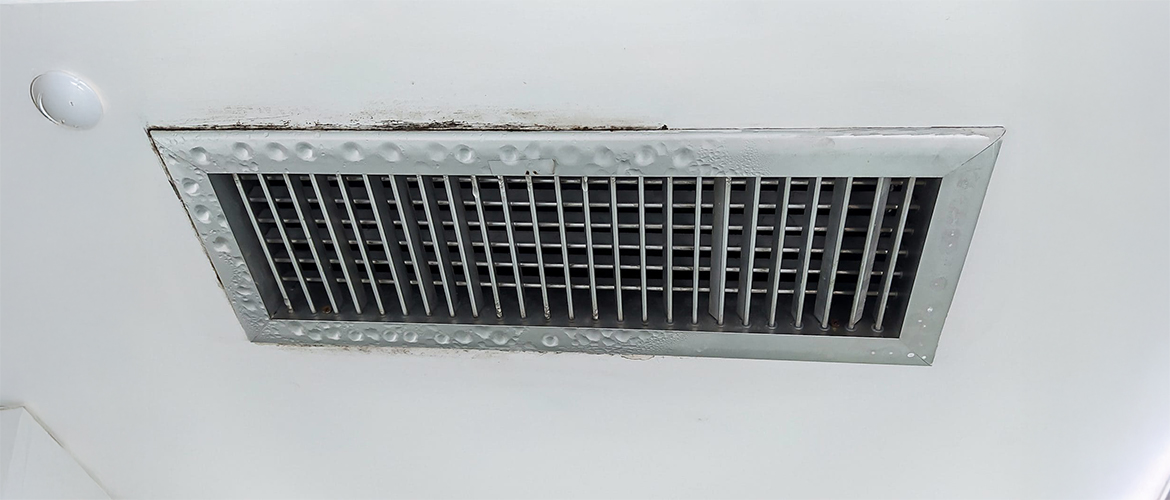
A Step-by-Step Look at the Process: AC Moisture Repair Challenges in Bayfront Homes in North Miami
Bayfront homes in North Miami provide beautiful waterfront living, but coastal conditions also introduce ongoing maintenance challenges. One of the most frequent issues restoration professionals encounter in these homes involves moisture damage caused by air conditioning systems. Because cooling systems operate nearly year-round in South Florida, even minor issues can gradually lead to moisture accumulation and structural damage.
Many homeowners are surprised to learn that moisture problems often develop slowly and silently. By the time stains or odors appear, damage may already exist inside walls or ceilings. Understanding how AC moisture problems occur and how professionals repair them helps homeowners prevent larger restoration costs and maintain safe indoor conditions.
Understanding How AC Systems Create Moisture
Air conditioning systems naturally remove humidity from indoor air. As warm air passes through cooling coils, condensation forms and collects in a drain pan before flowing outside through a condensate drain line.
Problems arise when this drainage process fails. Condensate lines can clog, drain pans may overflow, or components can malfunction. When this happens, water begins leaking into areas not designed to handle moisture.
In North Miami’s coastal environment, systems produce large amounts of condensation because humidity remains high throughout the year. More condensation means greater risk if drainage becomes blocked.
Moisture often accumulates in:
• AC closets and utility rooms
• Ceilings beneath attic air handlers
• Walls surrounding ductwork
• Floors near interior AC units
• Ventilation ducts
Without quick repairs, these areas can develop mold and structural deterioration.
Why Bayfront Homes Face Greater Moisture Risks
Homes near Biscayne Bay face unique environmental conditions compared to inland properties. Coastal humidity, salt air exposure, and frequent storms place extra stress on air conditioning systems.
Professionals inspecting homes across North Miami, Miami Shores, and nearby waterfront neighborhoods frequently encounter recurring moisture patterns caused by:
• Constant high humidity increasing condensation production
• Continuous AC operation throughout the year
• Salt air accelerating equipment wear
• Older homes with outdated drainage systems
• Limited ventilation in some waterfront properties
Even newly constructed homes can develop problems if AC maintenance is overlooked.
Because moisture often remains hidden, damage can continue unnoticed for months.
Early Signs Homeowners Often Notice
AC moisture issues rarely appear suddenly. Instead, warning signs typically develop gradually.
Homeowners commonly report:
• Water stains on ceilings or walls
• Musty odors near vents or AC closets
• Rooms feeling unusually humid
• Peeling paint around vents
• Warped flooring near air handlers
• AC systems running longer than normal
These signs often indicate moisture problems inside ceilings or walls.
Ignoring early warnings allows moisture to spread further.
Hidden Areas Where Moisture Develops
Professional inspections frequently reveal moisture damage in areas homeowners rarely inspect.
Common hidden moisture zones include:
• Ceiling cavities below attic AC systems
• Wall interiors around AC closets
• Insulation surrounding ductwork
• Subfloors beneath interior air handlers
• Drain pan overflow zones
Moisture trapped in these areas can remain for long periods, encouraging mold growth and weakening building materials.
Because these spaces are not visible, professional moisture detection tools are necessary.
Why DIY Fixes Often Fail
Some homeowners attempt to fix moisture problems by unclogging drain lines or cleaning visible water. While helpful in minor cases, DIY efforts often miss deeper moisture issues.
Common DIY limitations include:
• Hidden moisture remaining in walls
• Wet insulation not being removed
• Mold already developing out of sight
• Subfloor moisture damage unnoticed
Without professional drying equipment, moisture frequently remains behind surfaces.
Professional repair ensures the entire problem is addressed.
Step 1: Professional Inspection and Moisture Detection
The repair process begins with a detailed inspection to locate moisture and determine its cause.
Technicians typically perform:
• Moisture meter testing in ceilings and walls
• Thermal imaging to locate hidden damp areas
• Inspection of condensate drain lines
• Drain pan and coil evaluations
• Ductwork inspection
• Roof or exterior leak checks when necessary
Accurate detection allows repairs to focus on the real moisture source.
Proper diagnosis prevents recurring issues.
Step 2: Repairing the Moisture Source
After identifying the cause, technicians repair the AC system to stop further water intrusion.
Repairs may include:
• Clearing clogged drain lines
• Replacing damaged drain pans
• Correcting improper drain slopes
• Repairing leaking AC components
• Reinsulating affected ductwork
Stopping moisture flow is critical before drying begins.
Routine AC maintenance helps prevent future failures.
Step 3: Water Removal and Structural Drying
Once moisture sources are controlled, professionals begin removing trapped water.
Drying equipment typically includes:
• Industrial air movers
• Commercial dehumidifiers
• Specialized wall drying systems
• Continuous moisture monitoring devices
Drying may require several days, especially during humid coastal weather.
Proper drying prevents mold growth and long-term structural damage.
Step 4: Removing Damaged Materials
Some materials become too saturated to save and must be removed.
This may include:
• Mold-damaged drywall
• Wet insulation
• Severely affected flooring
• Contaminated ceiling materials
Removing damaged materials prevents recurring moisture and contamination problems.
Often, hidden damage extends beyond visible areas.
Step 5: Repair and Restoration
After drying and cleanup, restoration work begins to return the home to its original condition.
Typical restoration includes:
• Installing new drywall and insulation
• Repairing ceilings or floors
• Repainting affected areas
• Restoring trim and cabinetry
Final inspections ensure moisture issues are resolved before rebuilding is completed.
HVAC Systems and Mold Risks
When moisture problems persist around AC systems, mold growth can develop inside ducts and equipment.
Common HVAC concerns include:
• Dirty coils retaining moisture
• Mold growth inside duct insulation
• Airflow spreading spores
• Recurring drainage blockages
Professional duct cleaning and system inspections often help prevent contamination from spreading.
Routine maintenance reduces long-term risks.
Preventing Future AC Moisture Problems
Homeowners in bayfront neighborhoods can reduce future risks through preventive care.
Helpful maintenance steps include:
• Scheduling annual AC inspections
• Cleaning condensate drain lines regularly
• Checking drain pans for standing water
• Using dehumidifiers in humid areas
• Scheduling periodic moisture inspections
Preventive maintenance saves money by avoiding large restoration projects.
Early action prevents damage from spreading.
Why Local Experience Matters
Moisture behavior differs in coastal homes compared to inland properties. Professionals familiar with North Miami’s climate understand how humidity, storms, and local construction styles influence AC moisture problems.
Local restoration providers such as Tip Top Water and Fire Damage Restoration regularly address moisture challenges in North Miami’s bayfront communities. Their experience allows them to tailor solutions to local conditions rather than relying on generic repair methods.
Local knowledge helps ensure moisture problems are properly resolved.
A Practical Next Step for Homeowners
If you notice ceiling stains, unusual humidity, or odors near your AC system, scheduling an inspection early can prevent costly repairs later.
AC moisture repair is not only about fixing equipment; it protects structural integrity and indoor comfort. Taking proactive steps helps homeowners avoid mold growth and major restoration expenses.
In North Miami’s bayfront neighborhoods, regular maintenance and professional moisture detection remain the best defenses against ongoing coastal climate challenges.