AC Moisture Repair in Aventura: Real-World Observations from Local Properties
In Aventura, air-conditioning systems run almost year-round. Between warm temperatures, coastal humidity, and tightly sealed buildings, AC units do far more than cool the air—they control moisture levels inside homes and condominiums. When an AC system begins to produce excess condensation or develops drainage issues, moisture can quickly spread into walls, ceilings, and flooring.
AC moisture problems are among the most common causes of hidden water damage in Aventura properties. Looking at real-world patterns from local homes and condos helps property owners understand what to watch for and when repairs become necessary.
What AC Moisture Problems Really Are
Every air-conditioning system produces condensation as it removes humidity from indoor air. Under normal conditions, this water drains safely through a condensate line.
Problems occur when drainage slows, components clog, or humidity levels become too high for the system to manage efficiently. When this happens, water may overflow, leak into surrounding materials, or remain trapped inside ducts and insulation.
Unlike sudden plumbing leaks, AC moisture issues often develop slowly. This gradual buildup makes them harder to notice until damage becomes visible.
Why AC Moisture Issues Are Common in Aventura
Several local conditions make AC-related moisture problems more likely in this area.
Humidity is one of the biggest factors. Warm, moist air forces air-conditioning systems to work harder and produce more condensation. During periods of prolonged humidity, drain systems and pans can reach their limits.
High-rise and waterfront buildings also contribute to the problem. Many Aventura properties have mechanical closets or ceiling-mounted systems in confined spaces where ventilation is limited. These areas can trap humidity and slow drying.
Coastal air plays a role as well. Salt particles in the air attract moisture and can accelerate corrosion in metal components, increasing the likelihood of leaks in drain pans or fittings.
Nearby communities such as Sunny Isles Beach and North Miami Beach experience similar conditions, particularly in buildings close to the water.
Common Signs Property Owners Notice
AC moisture problems often begin with subtle warning signs.
One of the first signs is a musty smell near vents or mechanical closets. This odor may become stronger when the AC system runs.
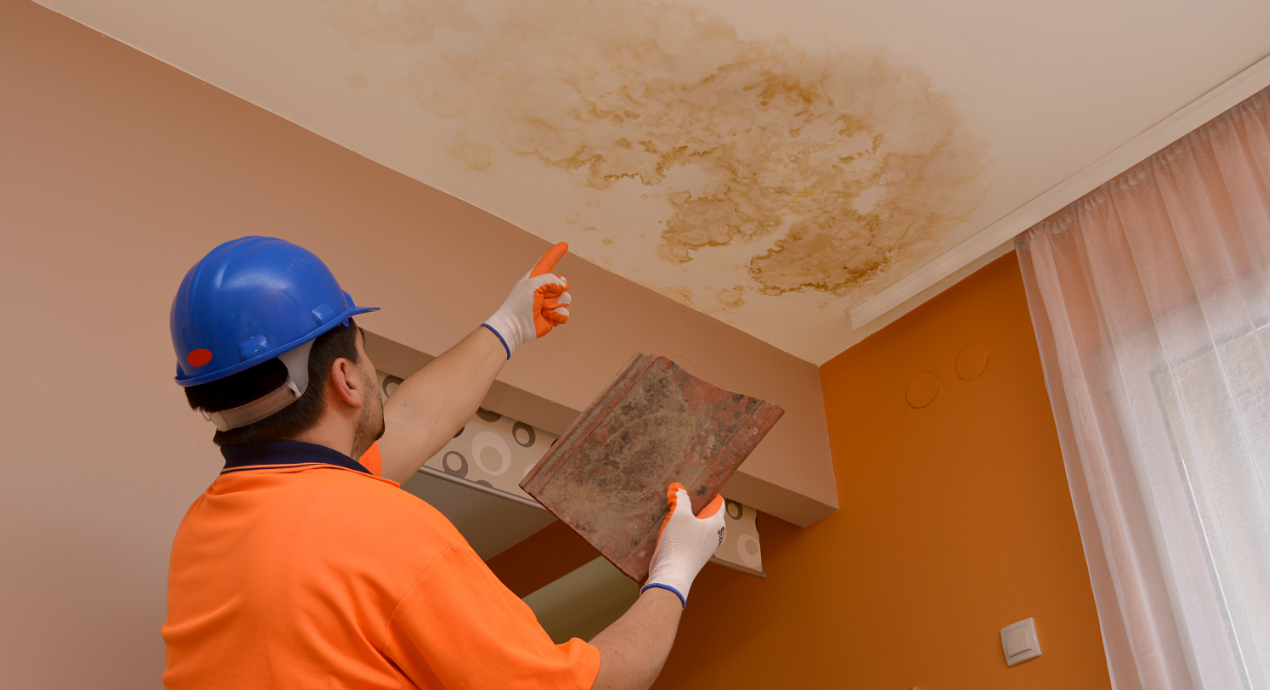
Water staining on ceilings or walls near vents is another common indicator. Paint may begin to bubble or peel as moisture accumulates behind surfaces.
Some homeowners notice increased humidity indoors even though the air conditioner is running. Windows may show condensation, or rooms may feel damp.
In certain cases, small puddles appear near indoor air-handling units or drain lines, signaling that condensation is not draining properly.
Real-World Moisture Sources Found in Local Properties
In many Aventura homes, moisture problems originate from a few common sources.
Clogged condensate drain lines are one of the most frequent causes. Algae, dust, and debris can gradually block the line, causing water to back up into the system.
Improperly insulated ducts are another issue. When cold air flows through ducts in warm attic spaces or ceiling cavities, condensation forms on the outer surfaces and drips onto surrounding materials.
Air filters that are not replaced regularly can also contribute to moisture problems. Restricted airflow may cause evaporator coils to freeze, and when the ice melts, excess water may overflow.
In some properties, aging drain pans develop small cracks or corrosion, allowing water to leak slowly over time.
Why DIY Fixes Often Miss the Root Cause
Property owners sometimes attempt to solve AC moisture problems by cleaning visible water or unclogging a drain line without further inspection. While these steps may provide temporary relief, they often do not address underlying issues.
Humidity levels, airflow restrictions, or hidden condensation inside ducts may continue to cause moisture buildup. Without measuring moisture levels and inspecting the entire system, it is difficult to determine whether the problem has been fully resolved.
Professional inspection focuses on both identifying the source of moisture and preventing recurrence.
Professional Inspection and Moisture Detection
A proper AC moisture repair process begins with a detailed inspection.
Technicians examine the air handler, drain lines, evaporator coils, and duct connections. Moisture meters may be used to check surrounding walls, ceilings, and flooring for hidden dampness.
Thermal imaging can help locate areas where condensation has accumulated behind surfaces. Indoor humidity levels are also measured to determine whether environmental conditions are contributing to the issue.
Companies such as Tip Top Water and Fire Damage Restoration often find moisture in areas homeowners would not suspect, especially inside ceiling cavities and duct insulation.
The AC Moisture Repair Process
Once the source of moisture is identified, repairs begin.
Clogged drain lines are cleared, and damaged components such as cracked pans or fittings are replaced. Duct insulation may be repaired or upgraded to prevent condensation.
If moisture has spread to surrounding materials, drying equipment may be used to remove excess humidity and prevent mold growth. Air movers and dehumidifiers help restore safe moisture levels inside walls and ceilings.
After drying is complete, minor repairs such as repainting or replacing small sections of drywall may be necessary.
Water Damage and Mold Risks
One of the main reasons AC moisture problems require prompt attention is the risk of mold growth.
Mold thrives in warm, damp environments, and even small amounts of trapped moisture can allow spores to develop. Because AC moisture problems often remain hidden, mold may grow behind walls or ceilings before becoming visible.
Prompt detection and thorough drying significantly reduce this risk and help maintain indoor air quality.
Air Ducts and Indoor Air Quality
Moisture inside duct systems can affect airflow and indoor comfort. Damp dust or debris inside ducts may restrict airflow and contribute to odors.
Cleaning ducts and ensuring proper insulation can improve system efficiency and reduce humidity problems. Regular maintenance of HVAC systems helps prevent recurring moisture issues.
In many Aventura properties, addressing duct insulation and airflow has significantly reduced condensation and improved overall performance.
Practical Prevention Tips for Homeowners
Preventing AC moisture problems often involves routine maintenance and early detection.
Replacing air filters regularly helps maintain proper airflow. Keeping drain lines clean and scheduling periodic AC inspections can prevent clogs and leaks.
Monitoring indoor humidity levels is also important. Dehumidifiers can help reduce moisture during especially humid periods.
Checking ceilings and walls near vents for early signs of staining or condensation allows homeowners to address problems before damage spreads.
Why Local Experience Matters
AC moisture issues in coastal South Florida require an understanding of how humidity, salt air, and building design interact. Professionals familiar with Aventura, Miami Shores, and nearby coastal communities know where moisture problems are most likely to occur and how to address them effectively.
Tip Top Water and Fire Damage Restoration has observed that early inspections and proper humidity control often prevent small AC moisture issues from turning into major repairs.
Local experience helps ensure repairs are thorough and designed to last.
A Calm, Practical Next Step
AC moisture problems are common in Aventura, but they are manageable when addressed early. Paying attention to subtle warning signs, scheduling inspections when needed, and maintaining HVAC systems properly can prevent long-term damage.
With careful monitoring and timely repairs, most moisture issues can be resolved quickly, helping homeowners protect their properties and maintain comfortable indoor conditions.