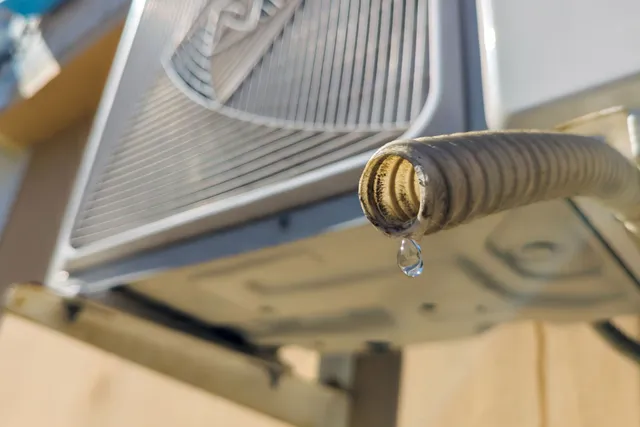
AC Moisture Repair in Bayfront Homes in North Miami: Practical Steps That Really Work
In bayfront areas of North Miami, air conditioning systems work harder than in many other parts of the country. Warm temperatures, high humidity, and constant system operation mean that AC units remove large amounts of moisture from indoor air every day. While this process is normal, problems begin when that moisture isn’t drained or managed properly.
AC moisture issues are one of the most common reasons homeowners in North Miami, Miami Shores, Biscayne Park, and nearby coastal neighborhoods experience water damage or mold concerns. Understanding what causes these problems—and the practical steps that actually work—can help property owners protect their homes and avoid repeated repairs.
What AC Moisture Problems Look Like in Real Homes
Air conditioning systems naturally produce condensation as they cool indoor air. Normally, this moisture flows safely through a drain line. However, when drainage slows or components wear out, water can begin accumulating in places where it shouldn’t.
In bayfront homes, moisture problems often appear as:
- Water stains near ceiling vents or air handlers
- Damp drywall or baseboards
- Musty odors when the AC is running
- Condensation on ducts or vents
- Small puddles near indoor units
Because humidity near the bay is consistently high, even a minor drainage problem can quickly lead to moisture buildup.
Why Bayfront Homes in North Miami Are More Vulnerable
Homes near Biscayne Bay face environmental conditions that make AC moisture problems more likely.
Several factors contribute:
High coastal humidity forces AC systems to remove more moisture than usual.
Salt air exposure can corrode drain pans, coils, and metal components.
Constant AC operation increases wear on pumps, drain lines, and fittings.
Warm attic and mechanical spaces cause condensation on ducts.
Limited airflow in some enclosed areas slows evaporation when moisture accumulates.
These conditions make regular inspection and maintenance especially important for bayfront properties.
Early Signs That Moisture Problems Are Developing
AC moisture issues often begin gradually. Many homeowners notice subtle signs before major damage occurs.
Common early clues include:
- A faint musty smell near vents or closets
- Slight discoloration on ceilings near air handlers
- Rooms feeling more humid than usual
- Dripping sounds in ceilings or walls
- Condensation forming on supply vents
These warning signs usually indicate that moisture is accumulating somewhere in the system or nearby building materials.
Hidden Sources of AC Moisture
Moisture problems are often difficult to locate because the source is not always visible.
Common hidden causes include:
Clogged condensate drain lines
Algae and debris can block drainage, causing overflow.
Rust or cracks in drain pans
Salt air and constant moisture can weaken metal over time.
Improperly insulated ducts
Warm air contacting cold duct surfaces leads to condensation.
Air handler leaks
Loose connections or worn seals can allow water to escape slowly.
Poor system leveling
If the unit isn’t level, water may not drain properly.
Identifying the exact cause is essential before repairs begin.
Why Simple Fixes Often Don’t Last
Some homeowners try to solve AC moisture problems by wiping away water or placing containers under small leaks. While this may temporarily reduce visible moisture, it rarely resolves the root cause.
Temporary fixes often fail because:
- Drain lines remain partially blocked
- Moisture inside walls or ceilings remains undetected
- Humidity levels stay high
- Mold begins forming in hidden areas
In coastal climates like North Miami, untreated moisture often returns quickly.
Practical Steps That Really Work
Effective AC moisture repair involves addressing both the cause of the leak and the moisture that has already spread.
Practical steps that produce lasting results include:
Clearing and flushing drain lines
Removing algae and debris restores proper drainage.
Inspecting and replacing damaged components
Drain pans, pumps, and fittings may need repair or replacement.
Improving duct insulation
Proper insulation reduces condensation on duct surfaces.
Drying affected areas thoroughly
Air movers and dehumidifiers remove moisture from walls and ceilings.
Monitoring humidity levels
Keeping indoor humidity below 60% reduces future risk.
These steps help ensure moisture problems don’t return.
Professional Inspection and Moisture Detection
When moisture problems persist, a professional inspection helps determine how far water has spread.
Typical inspection steps include:
- Measuring moisture in drywall and ceilings
- Checking condensate lines and drain pans
- Inspecting ducts and insulation
- Evaluating airflow and humidity levels
- Examining nearby structural materials
Technicians often use moisture meters or thermal imaging to locate damp areas that aren’t visible.
Companies familiar with local conditions, such as Tip Top Water and Fire Damage Restoration, often find that early detection prevents extensive repairs later.
Drying and Preventing Mold Growth
Moisture from AC leaks can quickly lead to mold growth if drying is delayed. In warm, humid environments, mold may begin developing within a couple of days.
Effective drying typically includes:
- Using air movers to increase airflow
- Running dehumidifiers to reduce humidity
- Opening affected wall or ceiling areas if necessary
- Monitoring moisture levels until materials are dry
Thorough drying is essential to prevent mold remediation later.
Air Ducts and Ventilation Considerations
Air ducts play a major role in how moisture behaves inside a home.
Common duct-related concerns include:
- Condensation forming inside poorly insulated ducts
- Dust buildup restricting airflow
- Cold air contacting warm attic air
- Humidity circulating through the system
Cleaning ducts and improving insulation often helps reduce condensation and improve overall air quality.
How to Prevent Future AC Moisture Problems
Preventive maintenance is the most reliable way to avoid recurring moisture issues.
Helpful steps include:
- Cleaning AC drain lines regularly
- Scheduling routine system inspections
- Checking ceilings and vents for condensation
- Keeping attic insulation in good condition
- Addressing small leaks immediately
Homeowners in nearby areas such as Sunny Isles Beach, Aventura, and North Miami Beach often find that annual maintenance significantly reduces the risk of major repairs.
Why Local Experience Matters
AC moisture repair in coastal environments requires understanding how humidity, salt air, and building design interact.
Professionals familiar with North Miami properties understand:
- How bayfront humidity affects condensation levels
- How coastal airflow influences drying times
- How attic temperatures contribute to duct moisture
- How high moisture levels impact indoor air quality
This local knowledge helps ensure repairs are thorough and long-lasting. Many property owners rely on experienced local companies such as Tip Top Water and Fire Damage Restoration when dealing with moisture issues.
A Practical, Calm Next Step
AC moisture problems are common in bayfront homes, but they are manageable when addressed early. Paying attention to warning signs, maintaining drainage systems, and drying affected areas thoroughly can prevent long-term damage.
For homeowners in North Miami and surrounding coastal communities, staying proactive about AC maintenance is one of the most effective ways to protect both property and indoor comfort. With proper inspection and timely repairs, small moisture issues can be resolved before they turn into major restoration projects.