AC Moisture Repair in Biscayne Park: What Happens If the Problem Is Ignored
Air conditioning systems play a vital role in homes throughout Biscayne Park. With warm temperatures and high humidity present most of the year, AC units run frequently to keep indoor environments comfortable. While these systems are designed to remove moisture from the air, problems with drainage, airflow, or condensation can allow water to accumulate inside walls, ceilings, or flooring.
When AC moisture issues are ignored, small problems can gradually turn into expensive repairs. Understanding how these issues develop—and what can happen if they are left untreated—helps homeowners and property managers protect their homes and avoid long-term damage.
How AC Moisture Problems Begin
Air conditioning systems naturally produce condensation as they cool indoor air. Normally, this moisture drains safely through a condensate line. Problems arise when the drainage system becomes blocked or components begin to wear out.
Common causes of AC moisture problems include:
- Clogged condensate drain lines
- Corroded or damaged drain pans
- Dirty air filters restricting airflow
- Insufficient duct insulation
- Air handler leaks
These issues may begin gradually and are often unnoticed until damage becomes visible.
Why Homes in Biscayne Park Are Vulnerable
Biscayne Park and nearby communities such as Miami Shores, North Miami, and North Miami Beach experience environmental conditions that make AC moisture issues more likely.
High humidity levels
Moist air increases the amount of condensation produced by AC systems.
Warm coastal temperatures
Heat accelerates moisture buildup and slows drying.
Frequent storms and heavy rain
Moist outdoor air entering the home increases humidity levels.
Year-round AC use
Continuous operation increases wear on drainage systems and components.
Because of these factors, routine inspection and maintenance are especially important in coastal homes.
Early Warning Signs of AC Moisture Problems
AC moisture issues often produce subtle warning signs before major damage occurs.
Property owners may notice:
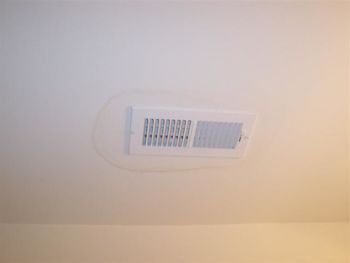
- Water stains near vents or ceilings
- Damp areas around air handlers
- Musty odors when the AC runs
- Increased indoor humidity
- Dripping near condensate lines
These signs indicate that moisture may already be accumulating in hidden areas.
What Happens If the Problem Is Ignored
Ignoring AC moisture problems can lead to several types of damage over time.
Mold Growth
One of the most common consequences of untreated moisture is mold. Warm temperatures and damp conditions create an ideal environment for mold to develop in:
- Duct insulation
- Drywall near air handlers
- Flooring in AC closets
- Attic spaces around ductwork
Once mold begins to spread, remediation becomes more complex and costly.
Structural Damage
Moisture trapped inside walls or ceilings can weaken building materials. Over time, this may cause:
- Softened drywall
- Warped wood framing
- Peeling paint or bubbling surfaces
- Damage to flooring and baseboards
Structural deterioration often occurs gradually, making early detection essential.
Persistent Odors
Damp materials frequently develop musty or stale odors. These odors may circulate through HVAC systems, affecting multiple rooms.
Odor problems often worsen when:
- Humidity remains high
- Moisture is trapped in insulation
- Airflow spreads particles through ducts
Addressing the moisture source is the only effective way to eliminate these odors.
Reduced Indoor Air Quality
AC moisture problems can also affect indoor air quality. Damp ductwork or air handlers may allow particles and odors to circulate throughout the home.
Possible indoor air concerns include:
- Musty or stale air
- Increased airborne particles
- Reduced air freshness
- Uneven cooling and humidity levels
Proper repair and drying help restore comfortable indoor conditions.
Hidden Damage Caused by AC Moisture
One of the biggest risks of ignoring AC moisture problems is hidden damage. Water may travel along pipes, framing, or insulation before becoming visible.
Common hidden areas include:
- Inside wall cavities near air handlers
- Beneath flooring in AC closets
- Inside ducts and insulation
- Attics where ducts run through warm air
In humid climates, moisture in these areas may remain trapped for long periods.
How AC Moisture Repair Works
Repairing AC moisture problems typically involves several steps designed to correct the cause and address any existing damage.
1. Inspection and moisture detection
Technicians identify the source of condensation or leaks and locate hidden damp areas.
2. Clearing or repairing drainage systems
Condensate lines and drain pans are cleaned or repaired to restore proper drainage.
3. Drying affected materials
Air movers and dehumidifiers remove moisture from walls, flooring, and structural components.
4. Cleaning and restoring affected areas
Surfaces are cleaned and repaired as necessary.
Professionals familiar with coastal conditions often monitor humidity carefully to ensure drying is complete. Companies such as Tip Top Water and Fire Damage Restoration frequently address both the mechanical problem and the moisture damage to prevent recurrence.
The Connection Between AC Moisture and Mold Prevention
Moisture control is the most effective way to prevent mold. Since mold requires moisture, organic material, and warm temperatures to grow, eliminating the moisture source stops the cycle before it begins.
Routine inspections and timely repairs significantly reduce mold risk in homes with heavy AC usage.
Lessons Learned from Local Homes
Real situations from homes in Biscayne Park reveal several consistent patterns.
Condensate line clogs are a frequent cause of leaks
Routine maintenance often prevents these problems.
AC closets are common moisture hotspots
Limited airflow and constant condensation create ideal conditions for dampness.
Humidity accelerates damage
Materials remain damp longer in coastal environments.
Early repairs reduce restoration costs
Homes inspected promptly typically required less extensive work.
These observations highlight the importance of addressing moisture problems early.
Practical Steps to Prevent Future Problems
Property owners can reduce the likelihood of AC moisture issues by following routine maintenance practices.
Helpful steps include:
- Scheduling annual HVAC inspections
- Flushing condensate lines regularly
- Replacing air filters on schedule
- Monitoring indoor humidity levels
- Inspecting AC closets and surrounding areas
- Addressing small leaks immediately
Preventive maintenance often prevents minor issues from becoming major repairs.
Why Local Experience Matters
AC moisture repair in coastal South Florida requires understanding how humidity, temperature, and building materials interact. Homes in Biscayne Park and nearby communities experience environmental conditions that differ significantly from inland regions.
Professionals familiar with local conditions understand:
- Where condensation commonly forms
- How coastal humidity affects drying
- Which materials are most vulnerable
- How ventilation systems behave in humid climates
This knowledge helps ensure repairs are thorough and long-lasting.
A Practical Next Step for Property Owners
AC moisture problems may seem minor at first, but ignoring them can lead to mold growth, structural damage, and persistent indoor air quality issues. If you notice water stains, damp areas, or musty odors near vents or air handlers, having the system inspected early can prevent larger repairs later.
Working with experienced restoration professionals such as Tip Top Water and Fire Damage Restoration helps ensure that moisture sources are corrected, affected materials are dried properly, and indoor conditions are restored. With routine maintenance and timely repairs, homeowners in Biscayne Park can keep their homes dry, comfortable, and protected year-round.