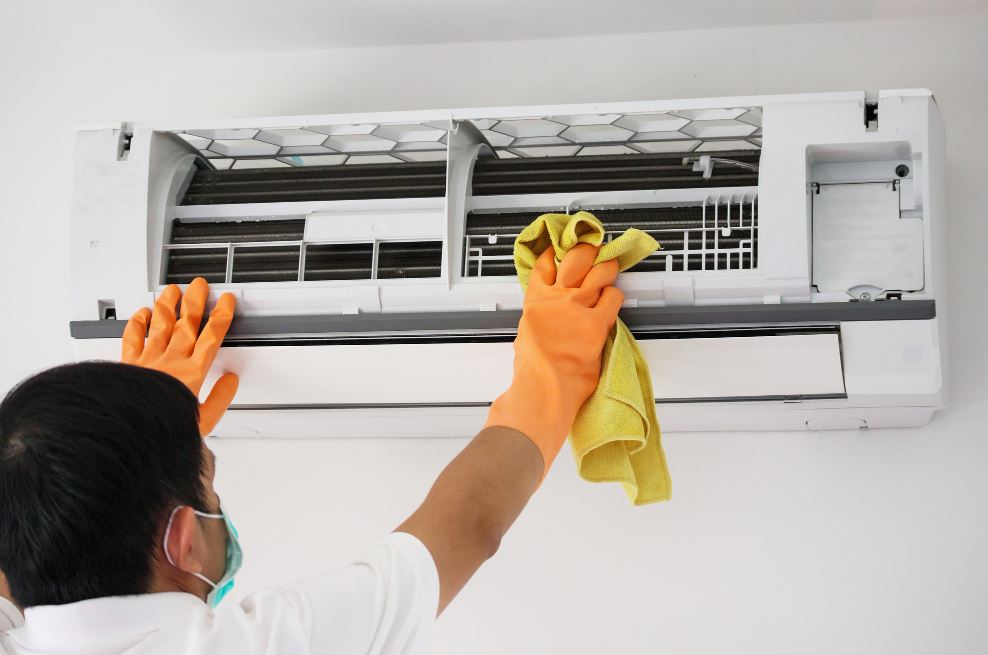
AC Moisture Repair in Sunny Isles Beach: A Practical Home Maintenance Guide
Sunny Isles Beach, a vibrant coastal city in North Miami-Dade, is known for its luxury high-rises, beachfront properties, and year-round tropical climate. While the warm weather is a draw for residents, it also presents challenges for homeowners—especially when it comes to managing indoor humidity and air conditioning systems. AC units are essential for comfort, but they can also be a source of hidden moisture problems. If left unaddressed, this moisture can lead to water damage, mold growth, reduced indoor air quality, and costly repairs.
For homeowners, landlords, and property managers, understanding how AC moisture issues arise, how to identify them, and how professional repair is performed is critical. This guide provides a comprehensive overview of AC moisture repair in Sunny Isles Beach, offering practical maintenance insights to keep homes safe, dry, and comfortable.
Understanding AC Moisture Problems
Air conditioning systems not only cool the air but also remove excess humidity from indoor spaces. However, under certain conditions, AC units themselves can produce moisture problems.
Moisture issues occur when condensate—the water formed as air cools and humidity condenses—fails to drain properly or accumulates in the system. Common consequences include:
- Water Leaks – Pooling around the unit, dripping onto ceilings or floors.
- Mold Growth – Moist environments in ductwork or drip pans provide ideal conditions for microbial growth.
- Reduced Efficiency – Moisture buildup can damage system components or restrict airflow.
- Indoor Air Quality Concerns – Mold spores, dust, and allergens circulate when moisture is present.
- Structural Damage – Prolonged leaks can warp floors, ceilings, or walls.
In Sunny Isles Beach’s coastal climate, high humidity and warm temperatures exacerbate these issues, making AC moisture management a crucial part of home maintenance.
Why AC Moisture Problems Are Common in Sunny Isles Beach
Several factors make AC moisture issues particularly frequent in this area:
1. High Humidity
Sunny Isles Beach experiences consistently high humidity levels, especially during the rainy season. This results in more condensate production, which increases the likelihood of drainage problems if the system is not properly maintained.
2. AC Condensate Drainage Issues
Clogged or disconnected drain lines, broken pumps, or improperly pitched condensate pans can prevent water from exiting the system efficiently, leading to pooling or overflow.
3. Older Systems
Older AC units often have worn seals, corrosion, or inefficient components that fail to manage moisture effectively. Homes in Sunny Isles Beach with aging HVAC systems are particularly vulnerable.
4. Poor Ventilation and Airflow
Restricted airflow due to dirty filters, closed vents, or duct leaks can cause condensation to form inside ducts or around evaporator coils, creating hidden moisture problems.
5. Coastal Air and Salt Exposure
Salt-laden air from the ocean can corrode metal components, including condensate pans, pumps, and coil fins. Corrosion can lead to leaks or water pooling inside the system.
Signs Your AC Needs Moisture Repair
Homeowners should be alert to signs indicating that an AC unit is experiencing moisture-related issues:
- Visible Water Leaks – Water around the indoor unit, on floors, ceilings, or near ducts.
- Musty Odors – Mold or mildew developing inside ducts or near the evaporator coil.
- Frequent Condensation – Excess water dripping from vents or lines.
- Unusual Noises – Dripping, gurgling, or hissing sounds from condensate lines or pans.
- Increased Humidity Indoors – Rooms feel damp or sticky despite the AC running.
- HVAC System Inefficiency – Reduced cooling performance, frequent cycling, or higher energy bills.
Even if leaks appear minor, hidden moisture inside ducts, walls, or ceilings can cause significant damage if not addressed promptly.
Hidden Sources of AC Moisture Problems
In Sunny Isles Beach homes, moisture issues may occur in less visible locations:
- Condensate Pans – Rust, cracks, or misalignment can lead to leaks.
- Drain Lines – Clogs from algae, dirt, or debris prevent proper drainage.
- Ductwork – Condensation can accumulate in poorly insulated or leaking ducts.
- Coils – Evaporator coils can freeze and thaw, producing excess water.
- Roof or Attic Units – Packaged AC systems on roofs may leak water into ceilings or attic spaces.
Professional inspection is often required to locate these hidden moisture sources and prevent long-term damage.
Why DIY Solutions Often Fail
Homeowners may attempt simple fixes such as using towels, pouring bleach into drain lines, or running fans, but these approaches rarely solve the underlying problem:
- Incomplete Cleaning – Algae, sludge, or debris inside lines may remain, causing recurring blockages.
- Hidden Leaks – Water accumulating in concealed areas such as ducts, subfloors, or attics is often missed.
- Risk of Damage – Improper handling of electrical components or coils can worsen system performance.
- Mold and Microbial Growth – Moisture that is not fully addressed can support mold growth, affecting indoor air quality.
Professional AC moisture repair addresses the root cause and ensures thorough drying, cleaning, and system functionality.
Professional AC Moisture Repair Process
Repairing AC moisture issues typically involves several steps carried out by trained technicians:
1. Inspection and Assessment
- Visual Inspection – Identifies leaks, rust, or corrosion in condensate pans, drain lines, and coils.
- Moisture Measurement – Detects hidden damp areas in ductwork, walls, or floors.
- Airflow and System Evaluation – Confirms that the AC unit is functioning efficiently and not contributing to excess condensation.
- Preventive Risk Assessment – Evaluates potential future leaks or moisture problems.
2. Cleaning and Clearing Drainage Systems
- Drain Line Cleaning – Removes algae, mold, and debris to restore proper water flow.
- Condensate Pan Treatment – Cleans and sanitizes pans to prevent microbial growth.
- Check and Repair Pumps – Ensures condensate pumps operate correctly if used.
3. Coil and Ductwork Maintenance
- Evaporator Coil Cleaning – Removes dirt and buildup that contribute to excessive condensation.
- Duct Inspection and Cleaning – Addresses hidden moisture and prevents mold or odor spread.
- Insulation Repair – Ensures ducts are properly insulated to reduce condensation formation.
4. System Repairs and Adjustments
- Sealing Leaks – Repairs cracks or corrosion in pans, lines, or ducts.
- Drainage Slope Adjustment – Ensures proper water flow toward drains.
- Component Replacement – Replaces worn or corroded parts such as pumps, valves, or pans.
5. Testing and Verification
- Operational Test – Confirms proper drainage and airflow.
- Moisture Verification – Ensures hidden areas are dry and free of mold risk.
- Air Quality Check – Confirms no lingering odors or contaminants are present.
This structured approach guarantees a safe, fully functional AC system.
Benefits of Professional AC Moisture Repair
Having AC moisture issues addressed professionally offers multiple advantages:
- Prevents Water Damage – Avoids damage to ceilings, walls, and flooring.
- Reduces Mold Risk – Eliminates conditions conducive to microbial growth.
- Improves Indoor Air Quality – Removes moisture-related contaminants and odors.
- Enhances System Efficiency – Clean and properly maintained units operate more effectively.
- Extends HVAC Lifespan – Reduces wear on components affected by water or corrosion.
These benefits are particularly important for high-rise condos or older homes in Sunny Isles Beach, where hidden water issues can quickly escalate.
Preventive Tips for AC Moisture Management
Homeowners can reduce the likelihood of future moisture problems by implementing these practices:
- Regular AC Maintenance – Schedule inspections and coil cleaning at least once a year.
- Filter Replacement – Replace air filters every 1–3 months to maintain airflow.
- Drain Line Checks – Ensure lines are clear and free of algae or blockages.
- Condensate Pan Inspection – Check for cracks, rust, or standing water.
- Humidity Control – Maintain indoor humidity below 60% using dehumidifiers if necessary.
- Professional Duct Cleaning – Periodic cleaning reduces moisture accumulation and microbial risk.
Routine preventive measures reduce repair costs, improve comfort, and extend the life of AC systems.
Why Local Expertise Matters
Sunny Isles Beach’s coastal environment creates unique AC challenges:
- High Humidity and Heat – Professionals understand moisture dynamics in Florida homes.
- Salt-Laden Air – Local knowledge helps prevent corrosion-related leaks.
- High-Rise and Coastal Construction – Technicians are experienced with complex HVAC layouts and difficult-to-access units.
- Storm and Water Intrusion Risks – Local expertise ensures AC systems are prepared for seasonal weather conditions.
Tip Top Water and Fire Damage Restoration provides hands-on experience in Sunny Isles Beach, Bal Harbour, North Miami Beach, Aventura, and nearby communities, delivering reliable AC moisture repair tailored to local conditions.
Conclusion
AC moisture repair is essential for maintaining comfort, indoor air quality, and structural integrity in Sunny Isles Beach homes. High humidity, AC condensation, and coastal conditions can lead to hidden water damage, mold growth, and reduced HVAC efficiency.
Professional repair involves thorough inspection, cleaning, drainage restoration, and system maintenance, addressing both visible and hidden moisture problems. Preventive maintenance further reduces the risk of recurrence, protecting property value and occupant health.
With local expertise, advanced equipment, and systematic procedures, homeowners, landlords, and property managers can keep their AC systems functioning efficiently while safeguarding their Sunny Isles Beach homes against moisture-related issues.