AC Moisture Repair in Sunny Isles Beach: Key Facts Every Property Owner Should Know
Air conditioning systems are essential in Sunny Isles Beach, where warm temperatures and high humidity are part of everyday life. While AC systems are designed to remove moisture from indoor air, they can sometimes become a source of moisture problems themselves. Condensation, clogged drain lines, and airflow issues can lead to hidden water damage that affects walls, ceilings, and indoor air quality.
How Air Conditioning Systems Produce Moisture
Air conditioners cool indoor air by removing heat and humidity. As warm air passes over the evaporator coil, moisture condenses into water and drains through a condensate line. When the system is working properly, this moisture is safely removed from the home.
Problems arise when:
- Condensate lines become clogged
- Drain pans overflow
- Airflow is restricted
- Evaporator coils freeze and thaw
- Insulation around ducts becomes damaged
When any of these issues occur, water can accumulate in areas where it should not be present.
Why Moisture Problems Are Common in Sunny Isles Beach
Coastal conditions in Sunny Isles Beach and nearby communities such as Bal Harbour, Surfside, and North Miami Beach make AC moisture problems more likely.
High humidity year-round
Air conditioning systems must remove large amounts of moisture, increasing the chance of condensation-related issues.
Frequent system use
AC units often run for long periods, especially during warmer months.
Salt air exposure
Coastal air can affect metal components, drain lines, and HVAC equipment over time.
Tightly sealed buildings
Modern construction can trap humidity indoors if ventilation is not balanced.
These factors mean that even small maintenance issues can lead to noticeable moisture problems.
Common Signs AC Moisture Repair May Be Needed
AC-related moisture problems often begin with subtle warning signs.
Property owners may notice:
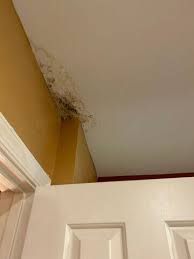
- Water stains near vents or ceilings
- Musty odors when the AC is running
- Damp areas near air handlers or closets
- Increased indoor humidity
- Dripping near the condensate line
- Mold or mildew near vents
These signs often indicate condensation or drainage problems that require inspection.
Hidden Areas Where AC Moisture Causes Damage
Moisture problems related to AC systems often occur in places that are not visible during daily use.
Common hidden areas include:
- Inside wall cavities near air handlers
- Beneath flooring in AC closets
- Inside duct insulation
- Attics where ducts run through warm air
- Behind drywall near condensate lines
In humid coastal environments, moisture in these areas can remain trapped for extended periods if not properly addressed.
Why DIY Fixes Often Don’t Solve the Problem
Some homeowners attempt to clear a clogged drain line or wipe up condensation, but these steps may only address the symptoms rather than the cause.
DIY repairs often fall short because:
- Airflow or insulation issues are not identified
- Hidden moisture remains in walls or ducts
- Humidity levels are not properly controlled
- The root cause of condensation is not corrected
Without addressing the underlying problem, moisture issues often return.
How Professional AC Moisture Repair Works
Professional repair begins with a detailed inspection of both the AC system and surrounding areas.
A typical repair process may include:
1. Inspecting the HVAC system
Air handlers, coils, and drain lines are checked for blockages or leaks.
2. Identifying moisture spread
Moisture detection tools help locate damp areas inside walls or flooring.
3. Repairing drainage and airflow issues
Condensate lines, insulation, or airflow restrictions are corrected.
4. Drying affected materials
Air movers and dehumidifiers remove moisture from structural materials.
5. Monitoring humidity levels
Ensuring stable humidity helps prevent future problems.
Professionals experienced in coastal environments understand how humidity affects condensation and drying. Companies such as Tip Top Water and Fire Damage Restoration often combine HVAC repair with moisture detection and drying to ensure lasting results.
The Connection Between AC Moisture and Mold
Moisture from air conditioning systems is one of the most common causes of mold growth in coastal homes. Damp insulation, drywall, or ductwork can create conditions where mold develops quickly.
Mold risk increases when:
- Drain lines clog and overflow
- Air handlers leak
- Humidity remains high
- Drying is delayed
Prompt repair and drying significantly reduce the likelihood of mold problems.
HVAC Maintenance and Indoor Air Quality
Air conditioning systems directly influence indoor air quality. When moisture accumulates inside ducts or air handlers, it can affect airflow and air freshness.
Potential concerns include:
- Musty odors circulating through vents
- Dust and debris buildup in damp ducts
- Reduced airflow efficiency
- Increased indoor humidity
Routine inspection and cleaning help maintain proper airflow and improve indoor air quality.
Practical Maintenance Tips for Property Owners
Preventive maintenance is one of the most effective ways to reduce AC moisture problems.
Helpful practices include:
- Scheduling annual HVAC inspections
- Flushing condensate lines regularly
- Replacing air filters on schedule
- Inspecting AC closets and surrounding areas
- Monitoring indoor humidity levels
- Addressing small leaks immediately
These simple steps often prevent minor moisture issues from becoming major repairs.
Lessons Learned from Local Properties
Real situations from homes and condominiums in Sunny Isles Beach reveal consistent patterns.
Condensate line clogs are a frequent cause of leaks
Regular cleaning often prevents this issue.
AC closets are common moisture hotspots
Limited airflow and constant condensation create ideal conditions for dampness.
Humidity control makes a major difference
Homes with stable humidity levels experience fewer moisture-related problems.
Early inspection reduces repair costs
Identifying moisture early prevents damage to walls, flooring, and insulation.
These observations highlight the importance of routine inspection and maintenance.
Why Local Experience Matters
AC moisture repair in coastal South Florida requires understanding how humidity, temperature, and building materials interact. Homes in Sunny Isles Beach and nearby coastal communities face conditions that differ significantly from inland regions.
Professionals familiar with local conditions understand:
- Where condensation commonly forms
- How coastal humidity affects drying
- Which materials are most vulnerable
- How HVAC systems perform in humid environments
This experience helps ensure repairs are thorough and long-lasting.
A Practical Next Step for Property Owners
AC moisture problems rarely resolve on their own and often worsen over time. If you notice water stains, damp areas, or musty odors near vents or air handlers, having the system inspected early can prevent larger repairs.
Working with experienced restoration professionals such as Tip Top Water and Fire Damage Restoration helps ensure that moisture sources are corrected, affected materials are dried properly, and indoor conditions are restored. With routine maintenance and prompt attention, property owners in Sunny Isles Beach and nearby coastal communities can protect their homes and avoid long-term damage.