
Air Duct Cleaning in Bal Harbour After Storm Surge: What to Watch For
Bal Harbour sits directly along the Atlantic, which means storm surge is not just a theoretical risk — it’s a real possibility during hurricane season. When surge water enters ground-level spaces or lower condo units, most homeowners focus on flooring, drywall, and furniture.
But one system is often overlooked: the air ducts.
After storm surge in coastal communities like Bal Harbour, Surfside, and Sunny Isles Beach, HVAC systems can become contaminated with moisture, salt residue, debris, and even microbial growth. Air duct cleaning becomes an important consideration — but not every situation requires the same response.
Understanding what to watch for after storm surge helps property owners protect indoor air quality and avoid long-term system damage.
Why Storm Surge Is Different From Regular Flooding
Storm surge water is not clean rainwater.
It may contain:
- Salt
- Sand
- Organic debris
- Contaminants from streets and seawater
- Fine particulate matter
When this type of water enters a property, it behaves differently from a simple plumbing leak.
In Bal Harbour’s oceanfront buildings, surge may affect:
- Lower-level mechanical rooms
- Ground-floor ductwork
- Vertical duct chases
- Air handler closets
Even if ducts are not fully submerged, humidity and salt-laden air enter the system during the event.
That combination creates risk inside HVAC components.
How Storm Surge Affects Air Duct Systems
After surge exposure, duct systems may experience several issues.
Moisture Intrusion
Storm surge dramatically raises indoor humidity. HVAC systems pull that humid air into ductwork.
If ducts are located near floors or inside damp wall cavities, moisture may directly contact duct insulation.
Salt Residue
Saltwater leaves residue behind. When salt settles inside ducts or on metal vents, it accelerates corrosion.
Debris Contamination
Fine sand and particles carried by surge water can enter return vents and accumulate inside duct lines.
Mold Risk
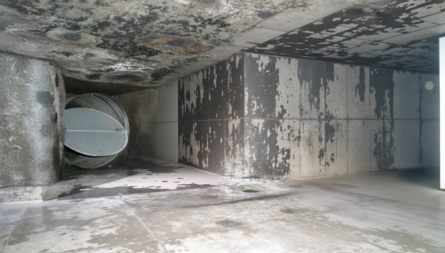
If ducts remain damp for more than 24–48 hours in South Florida’s warm climate, mold growth becomes possible.
Because Bal Harbour experiences persistent humidity even after storms, drying must be controlled.
Signs Duct Cleaning May Be Necessary
After storm surge, watch for:
- Musty or salty odors when AC runs
- Visible corrosion on vent covers
- Fine dust or sand around vents
- Reduced airflow
- Increased indoor humidity
- Visible mold near vent openings
- Rust flakes on registers
If lower levels of the property were flooded, duct inspection should be part of the restoration plan.
Even high-rise condo units may be affected if building mechanical systems were exposed to surge water.
HVAC Components That Require Inspection
Following storm surge in Bal Harbour, inspection should include:
- Supply and return duct lines
- Duct insulation
- Air handler compartments
- Evaporator coils
- Drain pans
- Vertical duct shafts in multi-unit buildings
Saltwater exposure accelerates metal deterioration.
Corroded fasteners or duct seams may eventually cause air leakage or structural weakness.
A full system evaluation ensures nothing is overlooked.
The Importance of Moisture Detection
Duct interiors are not easily visible.
Moisture detection tools help determine:
- Whether duct insulation remains damp
- If ceiling cavities are saturated
- Whether moisture has migrated into wall assemblies
Surface dryness does not guarantee internal dryness.
Professional moisture mapping confirms whether cleaning alone is sufficient or if insulation replacement is needed.
In coastal climates like Bal Harbour and North Miami Beach, humidity slows drying, so monitoring is essential.
The Air Duct Cleaning Process After Storm Surge
If inspection confirms contamination or moisture exposure, professional air duct cleaning typically includes:
- Establishing negative air pressure
- Sealing vents during cleaning
- Agitating debris inside duct lines
- HEPA vacuum extraction
- Cleaning air handler components
- Inspecting and replacing damaged insulation
If mold growth is present, proper containment prevents spores from spreading during cleaning.
In some severe surge cases, duct replacement may be recommended — especially if insulation was submerged.
Why Salt Is a Long-Term Threat
Salt exposure is often underestimated.
When salt residue remains inside duct systems:
- Metal corrodes faster
- Electrical components degrade
- HVAC efficiency declines
- System lifespan shortens
In Bal Harbour’s oceanfront properties, salt air already contributes to gradual wear.
Storm surge intensifies that exposure dramatically.
Prompt cleaning reduces long-term corrosion damage.
Multi-Unit Building Considerations
Many properties in Bal Harbour are high-rise condos.
In these buildings:
- Shared duct systems may serve multiple units
- Vertical shafts connect floors
- Mechanical rooms may sit at ground level
If storm surge impacts shared infrastructure, contamination can travel upward through ventilation systems.
Coordinated inspection with building management is essential.
Containment measures prevent cross-contamination between units.
Mold and Odor Concerns After Surge
If ducts remain damp, mold spores may colonize insulation or interior surfaces.
Once mold develops inside HVAC systems, spores circulate throughout the home.
Signs of mold involvement include:
- Persistent musty odor
- Allergy-like symptoms indoors
- Visible growth near vents
Air duct cleaning, combined with humidity control, prevents mold from spreading.
In humid coastal environments, rapid response makes a significant difference.
Humidity Control After Storm Surge
After surge events, indoor humidity often remains elevated for days.
Dehumidification is critical.
Without reducing humidity below 55%, drying of duct insulation and structural materials remains incomplete.
Industrial dehumidifiers and air movers stabilize indoor conditions.
Monitoring ensures moisture levels return to safe ranges before full HVAC operation resumes.
When Duct Replacement Is Necessary
Cleaning is not always sufficient.
Replacement may be required if:
- Duct insulation was fully submerged
- Metal components are heavily corroded
- Mold growth is widespread
- Contamination cannot be fully removed
An experienced restoration professional determines the most appropriate solution.
Balancing cleaning versus replacement protects both air quality and system performance.
Preventive Steps for Coastal Property Owners
Property owners in Bal Harbour can reduce risk by:
- Inspecting HVAC systems after every major storm
- Replacing filters promptly
- Monitoring humidity levels
- Scheduling periodic duct inspections
- Ensuring proper roof and window sealing
Vacation properties should maintain climate control even when unoccupied.
Humidity buildup during closures increases mold risk inside duct systems.
Why Local Coastal Experience Matters
Air duct cleaning after storm surge in Bal Harbour requires understanding:
- Saltwater contamination behavior
- Coastal humidity drying challenges
- High-rise building ventilation systems
- Corrosion patterns in oceanfront properties
A restoration professional familiar with Bal Harbour, Surfside, Sunny Isles Beach, and North Miami Beach understands how these environmental factors interact.
Tip Top Water and Fire Damage Restoration has handled post-storm HVAC inspections and duct cleaning throughout these coastal communities, applying drying and cleaning strategies tailored to South Florida’s conditions.
Local knowledge ensures accurate evaluation and long-term protection.
A Practical Perspective
Storm surge affects more than flooring and drywall.
Air duct systems in Bal Harbour properties can collect moisture, salt residue, and debris that compromise indoor air quality and system performance.
Watching for odors, corrosion, airflow changes, and humidity spikes helps determine whether cleaning is necessary.
Quick inspection and proper remediation prevent long-term HVAC damage and mold growth.
In oceanfront communities near Biscayne Bay, protecting the unseen systems inside walls and ceilings is just as important as restoring visible surfaces.