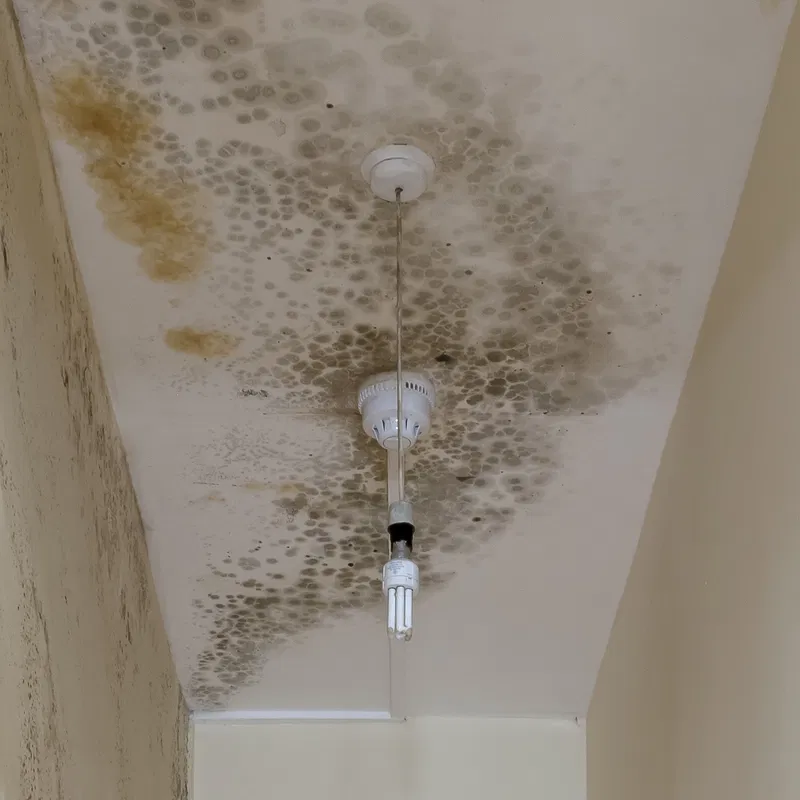
Black Mold Removal in Miami Shores: Real-World Observations from Local Properties
Black mold is a common concern for property owners in Miami Shores. The combination of high humidity, coastal air, heavy rains, and year-round air conditioning creates conditions where moisture can accumulate in hidden places. Over time, this moisture allows mold to grow behind walls, inside ductwork, and beneath flooring—often long before homeowners notice visible signs.
Looking at real situations from homes in Miami Shores and nearby communities like North Miami, Biscayne Park, and Surfside reveals patterns that help property owners understand how mold develops, how removal works, and how future problems can be prevented.
What Black Mold Problems Typically Look Like
Black mold usually develops in areas where moisture remains for extended periods. Unlike surface mildew, mold often penetrates porous materials such as drywall, insulation, and wood.
In many homes, mold begins in:
- Areas affected by slow plumbing leaks
- Spaces near air conditioning systems
- Behind cabinets or appliances
- Inside attic insulation
- Beneath flooring after minor water intrusion
Because mold thrives in humid conditions, even small moisture problems can allow growth to begin.
Why Mold Problems Are So Common in Miami Shores
Several local environmental factors make mold removal a frequent need in Miami Shores and surrounding coastal neighborhoods.
High humidity year-round
Moist air slows drying and allows damp materials to stay wet longer.
Frequent storms and heavy rainfall
Roof leaks and window intrusion are common after strong storms.
Air conditioning condensation
Clogged condensate lines and air handler leaks are among the most common causes of hidden mold.
Older construction mixed with renovations
Some homes have ventilation or insulation systems that do not fully control humidity.
Coastal air exposure
Salt and moisture in the air affect building materials and HVAC components.
These conditions mean that mold can develop even when water intrusion seems minor.
Real-World Observations from Local Homes
Looking at actual properties in Miami Shores provides valuable insight into how mold problems develop.
Small leaks often lead to large mold areas
In several homes, slow plumbing leaks inside walls caused mold growth across large and hidden sections of drywall before staining appeared.
AC systems are a frequent source of moisture
Air handler closets and duct systems often show early signs of mold due to condensation or restricted airflow.
Attics are commonly overlooked
Roof leaks sometimes soak insulation without being noticed until mold spreads.
Delayed drying increases damage
Homes where moisture was addressed quickly often required less extensive remediation than those where the issue remained for weeks.
These patterns highlight how early action can prevent significant repairs.
Common Signs Homeowners Notice
Black mold often reveals itself gradually. Property owners frequently notice:
- Musty or damp odors indoors
- Dark spots on walls, ceilings, or vents
- Peeling paint or bubbling drywall
- Water stains that reappear after cleaning
- Increased indoor humidity
- Odors coming from air vents
Even subtle signs should be investigated, especially in humid environments.
Hidden or Overlooked Sources of Mold
Some of the most serious mold problems originate in areas that are rarely inspected.
Common hidden sources include:
- Moist insulation in attics
- Condensation inside ductwork
- Slow plumbing leaks behind walls
- Damp carpet padding
- Poorly ventilated closets or storage areas
In waterfront and bayfront homes, humidity alone can create condensation problems in enclosed spaces.
Why DIY Mold Removal Often Fails
It is common for homeowners to clean visible mold using household cleaners. While this may remove staining temporarily, it usually does not address the root cause.
DIY removal often fails because:
- Moisture sources remain untreated
- Mold inside porous materials is not removed
- Hidden growth continues behind surfaces
- Humidity levels remain high
Without correcting moisture conditions, mold frequently returns.
Professional Mold Inspection and Testing
A proper mold removal process begins with a detailed inspection to locate both visible and hidden growth.
This assessment may include:
- Moisture detection in walls and ceilings
- Inspection of HVAC systems and ductwork
- Humidity level measurements
- Attic and insulation checks
- Identification of areas with poor airflow
Professionals familiar with coastal environments understand how humidity and ventilation affect mold growth. Companies such as Tip Top Water and Fire Damage Restoration often focus first on identifying and correcting moisture sources before beginning removal.
The Mold Removal and Remediation Process
Effective mold removal follows a structured sequence designed to prevent recurrence.
Typical steps include:
1. Correcting the moisture source
Leaks, condensation issues, or ventilation problems are addressed first.
2. Containing the affected area
Containment helps prevent mold spores from spreading to other parts of the home.
3. Removing damaged materials when necessary
Heavily affected drywall or insulation may need replacement.
4. Cleaning and treating structural surfaces
Specialized cleaning methods remove mold from framing and other materials.
5. Drying affected areas thoroughly
Drying equipment ensures moisture levels return to safe ranges.
This process helps restore normal indoor conditions and reduce the risk of mold returning.
When Mold Removal Includes Water Damage Repair
Mold often develops after water damage, even from minor leaks.
Situations that frequently lead to mold include:
- Roof leaks after storms
- Plumbing failures
- AC drain line clogs
- Minor flooding or standing water
Thorough drying and restoration are essential before mold removal is considered complete.
HVAC Systems, Air Ducts, and Mold
Air ducts and air handlers are common areas where mold develops in humid climates.
Problems may include:
- Condensation inside ductwork
- Mold growth on insulation around ducts
- Air handler leaks
- Reduced airflow due to debris or moisture
Routine inspection and maintenance of HVAC systems are among the most effective ways to reduce mold risk in Miami Shores and nearby communities such as Aventura and Bal Harbour.
Practical Steps to Prevent Mold from Returning
Property owners can take several steps to reduce the risk of future mold problems.
Helpful practices include:
- Scheduling annual HVAC maintenance
- Flushing AC condensate lines
- Repairing leaks promptly
- Monitoring indoor humidity levels
- Inspecting attics and closets periodically
- Ensuring proper ventilation throughout the home
Preventive maintenance often identifies moisture issues before mold develops.
Why Local Experience Matters
Mold behavior in coastal South Florida differs from what occurs in drier regions. Homes in Miami Shores and nearby areas face constant humidity exposure and seasonal storms that influence moisture patterns.
Professionals familiar with local conditions understand:
- Where mold commonly develops in coastal homes
- How humidity affects drying times
- Which building materials are most vulnerable
- How ventilation systems perform in humid environments
This knowledge helps ensure that mold removal is thorough and effective.
A Practical Next Step for Property Owners
Black mold problems are manageable when addressed early and correctly. If you notice musty odors, stains, or visible mold, having the property inspected can help identify the moisture source before damage spreads further.
Working with experienced restoration professionals such as Tip Top Water and Fire Damage Restoration helps ensure that mold, moisture, and any underlying water damage are properly addressed. With prompt attention and routine maintenance, homeowners in Miami Shores and nearby coastal communities can protect their homes and maintain healthier indoor environments.