
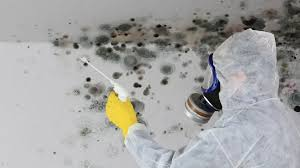
Black Mold Removal in North Miami: A Realistic Guide for Property Owners
If you own property in North Miami, black mold is not a rare scenario. It’s a predictable one.
Between year-round humidity, hurricane season rain, aging plumbing, and constant AC use, moisture problems are common in this part of South Florida. When moisture lingers, mold follows. And when mold appears dark, slimy, or concentrated, property owners often assume the worst.
The good news is this: black mold removal is manageable when handled correctly. The key is understanding how it develops in North Miami properties and what proper remediation actually involves.
This guide breaks it down in a practical, realistic way.
What “Black Mold” Really Means
“Black mold” is a general term homeowners use to describe dark-colored mold growth. In many cases, it refers to mold that thrives in damp, humid conditions, especially after water damage.
It commonly appears:
- On drywall after roof leaks
- Around AC vents
- Behind cabinets with plumbing leaks
- On ceiling corners
- Inside air handler closets
- Under laminate flooring
The color alone doesn’t determine severity. What matters is the moisture source and how long it has been present.
In North Miami, moisture duration is often the real issue.
Why North Miami Properties Are Prone to Black Mold
North Miami sits near Biscayne Bay and is surrounded by coastal communities like North Miami Beach, Biscayne Park, and Aventura. That location creates constant environmental pressure.
Key contributing factors include:
- High humidity nearly year-round
- Heavy summer rains
- Hurricane-driven wind intrusion
- Salt-heavy coastal air
- Elevated groundwater levels
- Concrete block construction
- Flat roof drainage issues
- Aging tile roof flashing
Older homes built in the 1950s through 1980s are especially vulnerable. Many were not designed with modern moisture control standards in mind.
Even newer properties can experience AC condensation problems due to continuous system operation.
Where Black Mold Commonly Hides
Property owners often focus on visible areas, but black mold frequently develops out of sight.
In North Miami homes, common hidden locations include:
- Inside wall cavities
- Under carpet padding
- Beneath bathroom tile
- Inside ductwork
- Attic insulation after roof leaks
- Slab foundations with moisture intrusion
In one North Miami Beach property, minor staining near a window led to a full wall cavity inspection. The drywall looked dry on the surface, but internal moisture readings were elevated. Mold had formed inside the insulation without obvious exterior signs.
Without moisture detection, that would have continued spreading.
Early Warning Signs Property Owners Notice
Black mold rarely appears overnight.
Before visible growth, homeowners may notice:
- A persistent musty odor
- Peeling paint
- Bubbling drywall
- Warped baseboards
- Damp carpet edges
- AC running longer than usual
- Elevated indoor humidity
Musty odor is often the first reliable indicator.
In humid climates like North Miami, odor usually means hidden moisture somewhere in the structure.
Why DIY Black Mold Removal Fails
Store-bought sprays and bleach treatments address surface staining. They do not solve structural contamination.
DIY attempts often fail because:
- The moisture source isn’t corrected
- Mold inside walls remains untouched
- Spores spread during cleaning
- Porous materials stay contaminated
- HVAC systems remain affected
In high-humidity coastal environments, mold returns quickly if drying and containment are not done properly.
Surface cleaning alone rarely solves the problem.
The Importance of Professional Mold Inspection
Before removal begins, inspection defines the scope.
A proper mold inspection in North Miami typically includes:
- Moisture meter readings
- Thermal imaging
- Roof and flashing inspection
- HVAC evaluation
- Plumbing leak checks
- Attic assessment
- Slab moisture testing
Inspection identifies where moisture is active — not just where mold is visible.
This prevents under-treatment and unnecessary demolition.
How Black Mold Removal Is Properly Handled
Effective mold remediation follows a structured process.
1. Containment
Plastic barriers isolate the affected area to prevent spore migration.
In condos in Sunny Isles Beach or Aventura, containment protects neighboring units as well.
2. Air Filtration
HEPA air scrubbers remove airborne spores during removal.
3. Removal of Contaminated Materials
If drywall, insulation, or carpet padding is compromised, it must be removed.
Attempting to “save” saturated porous materials often leads to recurrence.
4. Structural Cleaning
Wood framing, concrete block, and subflooring are cleaned and treated appropriately.
5. Drying and Dehumidification
Industrial equipment stabilizes moisture levels.
In North Miami’s climate, drying must be monitored carefully due to high ambient humidity.
6. Verification
Moisture readings confirm that affected areas are fully dry before repairs begin.
Skipping this step increases recurrence risk.
The Role of HVAC Systems in Mold Spread
AC systems are often overlooked.
Black mold frequently develops inside:
- Air handler closets
- Drain pans
- Duct insulation
- Supply vents
If HVAC systems are not inspected and cleaned when necessary, spores can circulate through the property.
Air duct cleaning and AC drainage correction are often part of full remediation in North Miami homes.
Water Damage and Mold: The Direct Connection
Many black mold cases begin with water intrusion.
Common sources include:
- Roof leaks during storms
- Window seal failure
- Slab moisture intrusion
- Plumbing leaks
- AC condensation overflow
- Flooding during heavy rain
Water removal and structural drying are critical.
If moisture remains after flooding or leaks, mold is almost guaranteed in this climate.
Preventing Black Mold in North Miami Homes
Prevention focuses on moisture control.
Property owners can reduce risk by:
- Inspecting roofs before hurricane season
- Maintaining AC drain lines
- Monitoring indoor humidity
- Addressing leaks immediately
- Ensuring proper attic ventilation
- Cleaning gutters and roof drains
- Scheduling periodic moisture inspections
Homes near canals or bayfront areas require extra vigilance due to elevated moisture exposure.
Routine maintenance prevents large remediation projects later.
Why Local Experience Matters
Black mold removal in North Miami is different from remediation in dry climates.
Here, professionals must understand:
- Coastal air moisture patterns
- Hurricane wind-driven rain behavior
- Concrete block construction
- Slab foundation moisture retention
- High-rise HVAC complexities
- Elevated water tables
Companies like Tip Top Water and Fire Damage Restoration work regularly in North Miami, North Miami Beach, Biscayne Park, and nearby coastal neighborhoods. That local experience helps identify root causes quickly and approach removal in a way that addresses South Florida’s unique environmental pressures.
A Practical, Realistic Next Step
If you discover black mold in your North Miami property, avoid panic — but avoid delay.
Start with inspection. Identify the moisture source. Define the scope. Stabilize the environment.
Black mold removal is a controlled, structured process when handled properly.
In a humid coastal city like North Miami, early action protects both your property value and long-term structural stability.
Moisture control is the foundation. Remediation is the solution. Prevention is the goal.
Stay proactive, and mold becomes manageable — even in South Florida’s demanding climate.