Black Mold Removal in Sunny Isles Beach: A Step-by-Step Look at the Process
Sunny Isles Beach, Florida, is a picturesque coastal city known for its high-rise condos, waterfront properties, and tropical climate. While living in this area offers residents scenic views and a relaxed lifestyle, it also presents unique property maintenance challenges—particularly when it comes to mold. Black mold (Stachybotrys chartarum) is a common concern in coastal homes due to high humidity, AC condensation, and occasional water intrusion from storms or plumbing leaks.
Removing black mold is not a simple cleaning task—it requires a systematic, professional approach to protect both the structure and the occupants’ health. Drawing on real-world experiences from local properties, this guide explores the black mold removal process step by step, highlighting the environmental conditions in Sunny Isles Beach, common warning signs, and preventive strategies for homeowners.
Understanding Black Mold in Coastal Homes
Black mold thrives in damp, humid environments, feeding on organic materials such as drywall, wood, and insulation. In Sunny Isles Beach, several environmental factors contribute to its proliferation:
- High Humidity: The tropical climate keeps indoor air consistently moist, creating ideal conditions for mold growth.
- AC Condensation: Cooling humid air often leads to condensation in ductwork, attic spaces, and walls, providing a hidden water source for mold.
- Stormwater Intrusion: Heavy seasonal rains, tropical storms, and occasional flooding can saturate walls, floors, and ceilings.
- Plumbing Leaks: Even minor leaks in pipes, faucets, or water heaters can lead to sustained moisture and black mold growth.
- Salt-Laden Coastal Air: Salt particles can accelerate corrosion in HVAC systems and building materials, indirectly contributing to moisture retention and microbial growth.
Black mold is especially concerning because it can spread quickly, emit spores into the air, and compromise indoor air quality if not addressed promptly.
Common Signs of Black Mold in Sunny Isles Beach Homes
Homeowners should watch for the following warning signs:
- Musty or earthy odors in rooms, attics, or basements
- Visible dark green or black patches on walls, ceilings, or around AC vents
- Water stains, peeling paint, or warped drywall
- Allergy symptoms or respiratory irritation among occupants
- Mold growth inside ductwork or around HVAC systems
- High indoor humidity even when the AC is running
Even if visible mold is limited, hidden black mold can develop behind walls, under flooring, or in poorly ventilated areas, making professional inspection essential.
Step 1: Inspection and Assessment
Professional mold removal begins with a thorough inspection:
- Visual Examination: Technicians look for water stains, discoloration, and visible mold growth.
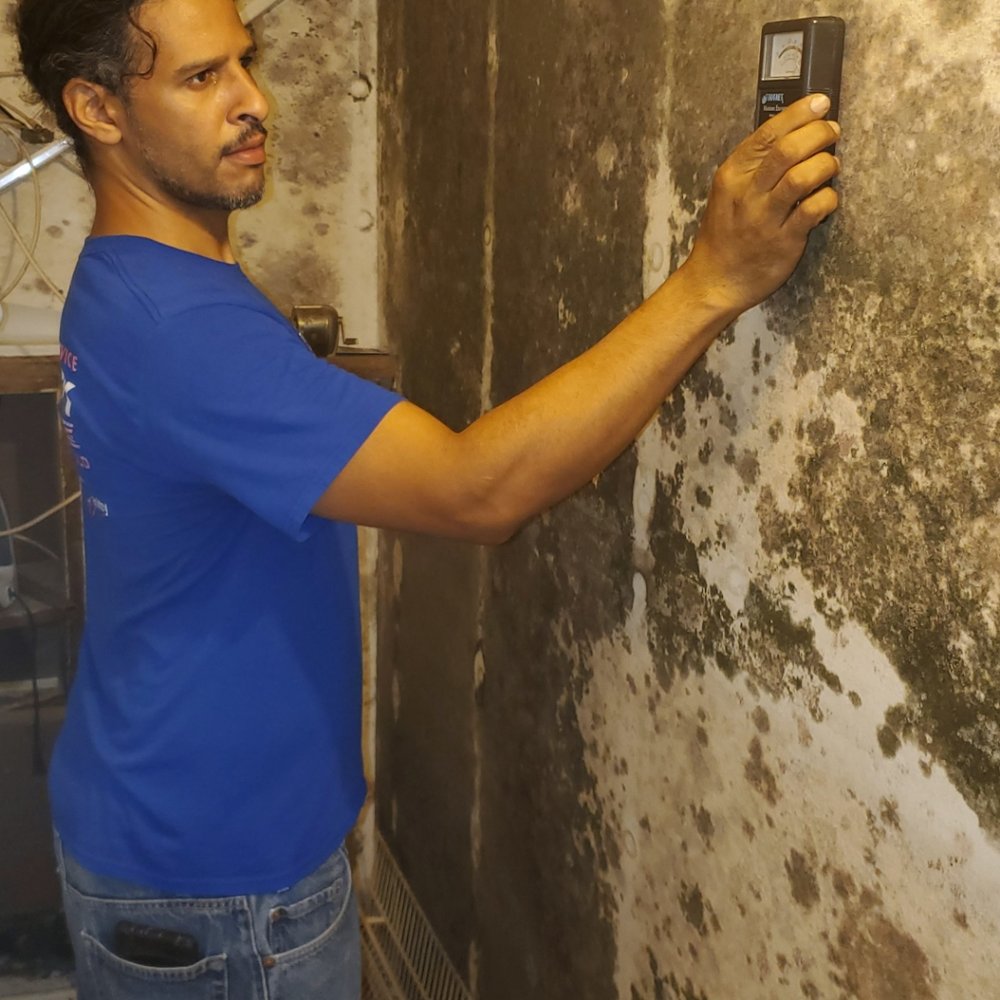
- Moisture Mapping: Moisture meters detect damp areas in walls, floors, and ceilings.
- Air Sampling: Air quality tests identify mold spore levels and determine contamination severity.
- HVAC Inspection: Ducts and vents are examined for hidden mold caused by AC condensation or leaks.
This comprehensive assessment ensures that all mold-affected areas, including hidden spaces, are identified before remediation begins.
Step 2: Containment
To prevent mold spores from spreading to unaffected areas:
- Affected rooms are sealed using plastic barriers and negative air pressure systems.
- HVAC vents may be temporarily sealed to prevent contaminated airflow.
- Protective gear is worn by technicians, including gloves, respirators, and coveralls.
Containment is a critical step in preventing cross-contamination during the removal process.
Step 3: Removal of Contaminated Materials
Black mold often grows on porous surfaces like drywall, insulation, and wood:
- Severely affected materials are carefully removed and disposed of according to safety protocols.
- Non-porous surfaces, such as metal or tile, are scrubbed with specialized cleaning agents.
- Porous materials that can be salvaged are treated with antimicrobial solutions.
Proper removal ensures that mold colonies are eliminated and prevents regrowth.
Step 4: Cleaning and Sanitization
After removal of contaminated materials:
- Air ducts, vents, and HVAC components are professionally cleaned to remove mold spores and debris.
- Walls, floors, and structural components are scrubbed and sanitized with EPA-approved antimicrobial solutions.
- HEPA-filter vacuums are used to capture residual spores and particles.
This step reduces airborne contaminants and restores indoor air quality.
Step 5: Drying and Moisture Control
Mold cannot survive without moisture. After cleaning:
- Industrial fans, dehumidifiers, and air movers are used to dry affected areas thoroughly.
- Technicians monitor moisture levels in walls, floors, and ductwork to ensure complete drying.
- Plumbing leaks or AC condensation sources are repaired to prevent future mold growth.
Moisture control is essential to ensure long-term effectiveness of the remediation process.
Step 6: Restoration
Once mold removal and drying are complete:
- Removed drywall, insulation, or flooring is replaced as needed.
- Painted surfaces, trim, and finishes are repaired to restore the property to pre-contamination condition.
- HVAC systems are rebalanced and filters replaced to maintain air quality.
Restoration ensures that the home is not only mold-free but also structurally sound and habitable.
Lessons from Sunny Isles Beach Properties
Real-world experience in coastal homes highlights several important observations:
- Hidden Mold is Common: Mold often grows in attics, crawl spaces, behind walls, or inside ducts, remaining undetected until it spreads.
- Prompt Action Prevents Escalation: In humid coastal environments, black mold can spread rapidly within 24–48 hours of moisture exposure.
- Integrated Approach Works Best: Combining inspection, containment, removal, cleaning, and moisture control produces the most effective results.
- Ongoing Maintenance Reduces Risk: Regular AC maintenance, plumbing inspections, and humidity control prevent future mold growth.
Preventive Strategies for Homeowners
After professional black mold removal, several preventive measures help maintain a healthy environment:
1. Control Humidity Levels
Use dehumidifiers or adjust HVAC settings to maintain indoor humidity between 45–55%.
2. Maintain AC Systems
Regular cleaning of coils, drain pans, and ductwork prevents condensation-related mold growth.
3. Inspect Plumbing Regularly
Identify leaks, clogs, and corrosion early to prevent water intrusion and mold development.
4. Ventilate Enclosed Areas
Ensure attics, crawl spaces, and utility rooms are well-ventilated to reduce moisture accumulation.
5. Prompt Water Damage Response
Address water intrusion from storms, leaks, or flooding immediately to prevent mold growth.
6. Routine Inspections and Air Quality Testing
Periodic professional inspections and air sampling help detect early signs of mold or moisture problems.
Why Local Expertise Matters
Sunny Isles Beach homes face unique environmental challenges:
- High humidity and salt air accelerate mold growth and component corrosion
- Stormwater intrusion and coastal flooding increase the risk of water accumulation
- Luxury condos, waterfront homes, and older properties have complex HVAC and structural layouts that require tailored solutions
Local professionals, such as Tip Top Water and Fire Damage Restoration, bring experience in black mold removal for Sunny Isles Beach, North Miami, North Miami Beach, Bal Harbour, Aventura, Miami Shores, Surfside, and Biscayne Park properties. Their expertise ensures safe, effective, and long-lasting remediation.
Benefits of Professional Black Mold Removal
Hiring experts for black mold remediation offers several advantages:
- Eliminates mold colonies and prevents regrowth
- Protects indoor air quality for occupants
- Preserves structural integrity of walls, floors, and ceilings
- Reduces risk of allergies and respiratory issues
- Enhances HVAC system performance and reduces dust accumulation
- Minimizes long-term repair costs and restores property value
Practical Recommendations for Homeowners
Property owners in Sunny Isles Beach can protect their homes by:
- Monitoring for visible mold, odors, or water stains
- Scheduling professional inspections after water intrusion or AC issues
- Engaging experts for mold removal and remediation
- Controlling indoor humidity and ensuring proper ventilation
- Conducting follow-up inspections to verify that remediation has been effective
By combining immediate professional action with proactive maintenance, homeowners can effectively manage black mold risks and maintain a safe, healthy living environment in Sunny Isles Beach.