
Black Mold Removal in Sunny Isles Beach in Rental Properties: What to Watch For
Sunny Isles Beach rental properties are popular for their coastal views and convenient location, attracting both long-term tenants and short-term residents year-round. However, property owners and tenants alike face a common hidden challenge in this coastal environment: black mold. High humidity, heavy rains, and constant air conditioning use create perfect conditions for mold growth, particularly in rental units where maintenance responsibilities are often shared or misunderstood.
Black mold problems in rentals can develop quietly, sometimes going unnoticed until tenants report musty odors or visible spots on walls and ceilings. Understanding what to watch for helps landlords, property managers, and tenants protect both property value and living conditions.
Early awareness and professional mold removal play key roles in preventing recurring problems in Sunny Isles Beach rental homes and apartments.
Understanding Mold Problems in Rental Properties
Black mold typically develops in areas where moisture remains trapped over time. In rental properties, this often occurs inside walls, beneath flooring, or in poorly ventilated spaces. Mold thrives on organic materials commonly found in construction, including drywall, wood framing, insulation, and carpets.
Unlike surface stains, mold growth often spreads beyond what tenants can see. By the time mold becomes visible, contamination may already exist in hidden areas, leading to ongoing damage if not properly addressed.
Because rental units may change occupants frequently, small moisture issues can go unnoticed for long periods, allowing mold to develop quietly between tenants.
Why Sunny Isles Beach Rentals Face Higher Mold Risks
Rental properties in Sunny Isles Beach are exposed to coastal environmental conditions that encourage moisture buildup. Outdoor humidity remains high throughout much of the year, allowing moisture to enter units through doors, windows, and ventilation systems.
Frequent storms and seasonal rains increase the risk of water intrusion through roofs, balconies, or aging building materials. Salt air also gradually weakens exterior surfaces, making them more vulnerable to moisture penetration.
Air conditioning systems, which run constantly in South Florida rentals, often produce condensation. If drainage systems clog or maintenance is delayed, water can accumulate inside ceilings or walls.
High-rise buildings and older apartment complexes alike experience these challenges, making routine moisture monitoring essential.
Warning Signs Tenants and Landlords Should Notice
Rental property mold problems often begin with subtle warning signs. Tenants may notice persistent musty smells that do not disappear even after cleaning. Certain rooms or closets may feel damp or uncomfortable.
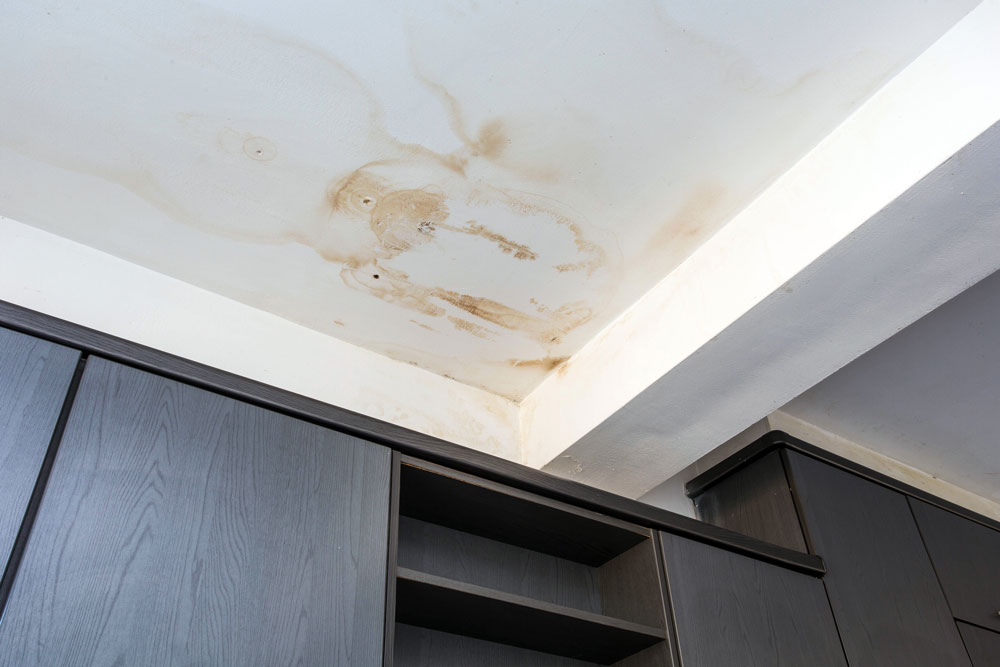
Visible mold spots around windows, air vents, or ceiling corners are also common indicators. Paint or wallpaper may begin peeling, and discoloration sometimes appears around plumbing fixtures or AC units.
Some tenants report recurring allergy-like discomfort indoors, though the cause may not immediately be recognized as mold-related. Flooring may also warp or carpeting may feel damp after leaks or flooding events.
When these signs appear repeatedly, professional inspection is recommended.
Hidden Sources of Moisture in Rental Units
Moisture sources in rentals are often hidden behind walls or above ceilings. Small plumbing leaks beneath sinks or inside walls may drip slowly without obvious evidence. Roof leaks sometimes travel along structural beams before appearing far from the original entry point.
Air conditioning condensation frequently accumulates inside ductwork or ceiling cavities, especially when maintenance schedules are delayed. Bathroom and kitchen exhaust fans that do not vent properly can trap humidity inside walls.
In multi-unit buildings, moisture may even move between apartments through shared structures, affecting units beyond the original source.
Without professional moisture detection, these issues remain difficult to identify.
Why DIY Mold Removal Usually Fails
Tenants sometimes attempt to clean mold using household cleaners or repaint affected areas. While this may temporarily improve appearance, mold often returns because underlying moisture remains.
Mold spores penetrate porous materials, making surface cleaning ineffective when contamination has spread behind walls or beneath flooring. Simply covering stains does not remove mold.
Professional mold removal focuses on identifying and correcting moisture sources first, ensuring contamination does not return after cleanup.
Professional Mold Inspection and Testing in Rentals
Professional mold inspection helps landlords and property managers understand the full extent of contamination. Specialists use moisture meters and thermal imaging cameras to locate hidden damp areas.
Inspectors evaluate HVAC systems, plumbing systems, roofing conditions, and ventilation systems to determine how moisture entered the property. Air or surface testing may also confirm contamination levels.
Companies such as Tip Top Water and Fire Damage Restoration frequently assist rental property owners throughout North Miami and Sunny Isles Beach by identifying moisture risks early, preventing major damage.
Accurate inspection protects both tenant health and property value.
Proper Mold Removal and Remediation Process
Once mold is confirmed, remediation begins with stopping the moisture source. Damaged materials that cannot be restored are safely removed while preventing contamination from spreading.
Industrial drying equipment removes trapped moisture from walls and flooring. Specialized cleaning techniques eliminate mold contamination, while containment procedures protect unaffected areas.
Once remediation is complete, preventative improvements may include ventilation upgrades or drainage corrections to reduce future risks.
The goal is restoring safe living conditions while preventing recurrence.
Flood Restoration and Water Damage Concerns
Rental properties sometimes experience flooding from storms or plumbing failures. Even minor flooding can leave hidden moisture trapped inside building materials.
Professional water removal and drying services prevent mold growth after flooding incidents. Restoration teams inspect hidden spaces to ensure moisture is fully removed before repairs begin.
Proper restoration reduces long-term maintenance costs for landlords while protecting tenant living conditions.
HVAC Systems and Air Duct Moisture Problems
Air conditioning systems play a major role in moisture control inside rentals. When ducts accumulate condensation, mold spores can circulate throughout the unit.
Dirty ducts or clogged drainage lines allow moisture to linger inside HVAC systems. Regular AC maintenance and air duct cleaning help reduce moisture buildup and improve indoor air quality.
Because Sunny Isles Beach properties rely heavily on AC systems, proper maintenance is essential for mold prevention.
Preventing Mold Problems in Rental Properties
Landlords and property managers can reduce mold risks through proactive maintenance. Regular inspections after storms or plumbing repairs help identify moisture problems early.
Ensuring AC systems drain properly prevents condensation overflow. Good ventilation in bathrooms and kitchens reduces humidity buildup inside units.
Tenants can also help by reporting leaks quickly and maintaining airflow within living spaces. Dehumidifiers may help in areas prone to dampness.
Preventative action protects both rental income and property condition.
Why Local Experience Matters for Mold Removal
Rental properties in Sunny Isles Beach, North Miami Beach, Aventura, Bal Harbour, and Biscayne Park experience similar coastal moisture challenges, but building designs vary widely.
Local specialists understand how humidity, storms, and building construction interact to create mold risks. Their experience helps them quickly identify common trouble spots in regional rental properties.
Companies with local expertise, including Tip Top Water and Fire Damage Restoration, help landlords address mold issues using solutions suited to South Florida conditions.
Local knowledge ensures more effective long-term protection.
A Practical Next Step for Property Owners
If tenants report musty smells or recurring moisture problems, scheduling a professional mold inspection is a practical step. Early action prevents long-term structural damage and tenant dissatisfaction.
Keeping rental units dry and mold-free protects property value while creating comfortable living environments for residents.
In Sunny Isles Beach’s humid coastal climate, ongoing moisture awareness and timely mold removal remain essential to maintaining successful rental properties for years to come.