
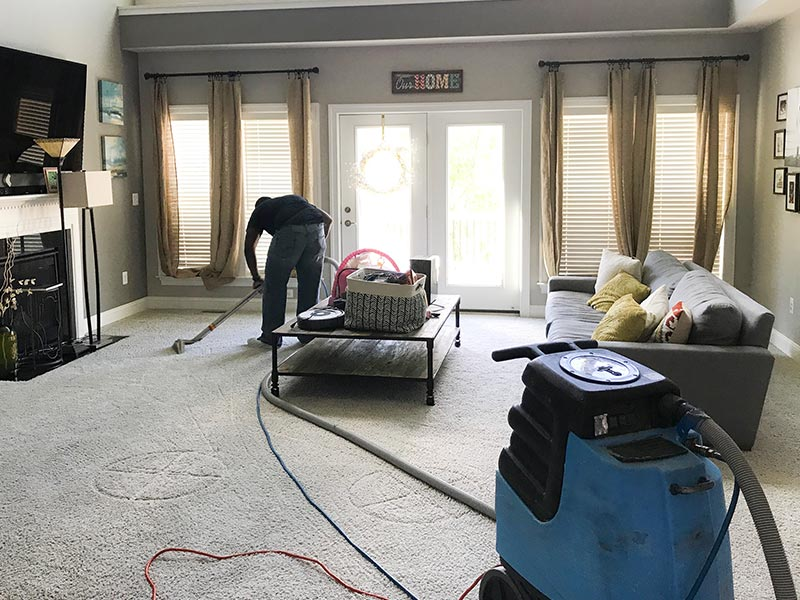
Carpet Cleaning After Water Damage in Bayfront Homes in North Miami: A Practical Home Maintenance Guide
Bayfront homes in North Miami offer beautiful waterfront views and cooling breezes from Biscayne Bay, but coastal living also brings ongoing moisture challenges. One of the most common problems homeowners face after storms, plumbing failures, or water intrusion events is damage to carpeting. Because carpets absorb water quickly and retain moisture beneath the surface, proper cleaning and drying become critical after any water incident.
Many property owners assume that once standing water is removed, carpets will dry naturally. Unfortunately, in North Miami’s humid environment, trapped moisture often leads to odors, mold growth, and long-term structural problems if not professionally handled. Understanding how carpet cleaning works after water damage helps homeowners protect their homes and avoid costly restoration projects.
Quick action and proper procedures make recovery smoother and prevent future complications.
How Water Damage Impacts Carpets in Bayfront Homes
Carpets act like large sponges when exposed to water. Whether moisture enters through storm flooding, roof leaks, appliance overflows, or plumbing failures, water quickly soaks into carpet fibers and spreads into the padding underneath.
In bayfront properties, wind-driven rain and storm surge events often introduce water through sliding glass doors, balconies, or ground-level entry points. Even small amounts of water intrusion can spread widely beneath carpeting.
While the surface may appear only slightly damp, padding and subfloor materials often remain saturated. Because coastal humidity slows evaporation, moisture lingers, creating ideal conditions for bacteria and mold growth.
This is why professional carpet cleaning and drying are necessary after water intrusion.
Why North Miami’s Coastal Climate Makes Drying Difficult
Living near Biscayne Bay means homes constantly experience high humidity. After water damage, this humidity slows natural drying and allows moisture to remain trapped inside flooring materials.
Warm temperatures further increase the risk of microbial growth. Within 24 to 48 hours, damp carpets may begin developing odors or mold contamination if drying is incomplete.
Older bayfront homes sometimes also have wooden subfloors that absorb water, prolonging drying times. Even modern buildings can experience moisture retention beneath flooring layers.
Professional drying equipment is often necessary to eliminate moisture fully and prevent further damage.
Warning Signs Carpets Need Professional Cleaning
Water damage is not always obvious immediately after an incident. Many homeowners notice warning signs days later.
Common indicators include:
Persistent musty or damp odors
Carpet discoloration or staining
Damp or spongy areas underfoot
Warped flooring beneath carpet
Mold growth along baseboards
Unexpected indoor humidity
These symptoms suggest moisture remains trapped below the surface. Without professional cleaning and drying, contamination may continue spreading.
Addressing the problem early prevents expensive restoration later.
Hidden Damage Beneath Wet Carpets
The biggest risk after water intrusion is hidden moisture. Carpet padding absorbs water deeply and rarely dries completely without removal or professional drying methods.
Moisture also spreads into subfloors and surrounding materials, weakening structures and encouraging mold growth. Because these areas are concealed, contamination may develop long before homeowners realize it exists.
Professional inspections in North Miami homes often uncover moisture trapped beneath carpets weeks after flooding or leaks occurred.
Proper cleaning eliminates hidden risks before they become larger problems.
Why DIY Carpet Drying Often Fails
Many homeowners try to dry carpets using household fans or air conditioning. While these methods help surface drying, they usually fail to remove moisture from deeper layers.
Household equipment lacks the power to dry soaked padding or subfloor materials. Carpets may feel dry on top while remaining damp underneath.
DIY methods also fail to sanitize contaminated materials, particularly after flooding events involving dirty or stormwater.
Professional carpet restoration ensures carpets are both cleaned and thoroughly dried, preventing future mold problems.
Professional Inspection and Moisture Detection
The carpet restoration process begins with a professional inspection. Specialists determine how deeply water penetrated and whether surrounding materials were affected.
Moisture meters help detect dampness beneath carpets and inside nearby walls. Technicians also inspect baseboards and subfloor materials to identify hidden moisture spread.
Inspection determines whether carpets can be restored or whether padding or flooring materials require replacement.
Accurate assessment ensures proper restoration decisions.
Water Extraction and Carpet Removal Process
Once inspection is complete, professionals begin removing water using commercial-grade extraction equipment. High-powered machines remove large amounts of moisture quickly.
In many cases, carpets are lifted to allow technicians to dry underlying materials. Saturated padding is often removed since it cannot dry properly once soaked.
Quick extraction reduces the time moisture remains in the home and lowers mold growth risk.
Companies like Tip Top Water and Fire Damage Restoration regularly assist North Miami homeowners through this process after water intrusion events, helping restore safe living conditions efficiently.
Drying and Dehumidification Steps
After water extraction, drying equipment is installed to remove remaining moisture. Industrial air movers circulate air across surfaces while dehumidifiers reduce indoor humidity.
Drying typically continues for several days depending on the severity of water damage. Technicians monitor moisture levels regularly to ensure safe drying conditions before repairs begin.
Proper drying prevents future odors and mold contamination.
Complete drying protects both carpets and structural materials.
Carpet Cleaning and Sanitization
Once materials are dry, professional carpet cleaning solutions remove dirt, bacteria, and contaminants left behind by water intrusion. Sanitization treatments help eliminate odors and reduce microbial risks.
Professional cleaning restores carpet appearance and indoor comfort. In cases where carpets are heavily contaminated or damaged, replacement may be recommended.
Cleaning completes the restoration process and prepares homes for normal living conditions again.
HVAC Systems and Carpet Moisture Issues
Air conditioning systems often become involved in carpet moisture problems. Condensation leaks or clogged drain lines sometimes drip water into carpeted areas.
Additionally, wet carpets increase indoor humidity, forcing HVAC systems to work harder and potentially spreading odors through ventilation systems.
Inspection of HVAC components after water damage helps prevent recurring moisture problems.
Proper maintenance supports drying and air quality improvement.
Preventing Future Carpet Water Damage
Preventive maintenance helps protect carpets from future damage. North Miami homeowners can reduce risks through practical steps such as:
Inspecting plumbing regularly
Maintaining AC drain lines
Repairing leaks immediately
Monitoring indoor humidity levels
Scheduling inspections after storms
In flood-prone areas, using moisture-resistant flooring in certain rooms can also help reduce risks.
Small preventive efforts prevent major restoration expenses later.
Why Local Experience Matters in Coastal Restoration
Water damage recovery differs in coastal communities compared to inland areas. Professionals familiar with North Miami understand local construction styles and humidity patterns that influence moisture problems in bayfront homes.
Local experience allows restoration teams to identify recurring trouble spots quickly and recommend solutions suited to neighborhood conditions.
Tip Top Water and Fire Damage Restoration frequently works with homeowners across North Miami and surrounding bayfront communities dealing with moisture and carpet damage concerns.
Local knowledge improves restoration outcomes and speeds recovery.
A Practical Path Forward for Homeowners
Water-damaged carpets may appear manageable at first, but delays allow moisture to spread and mold to grow. Acting quickly protects flooring, structural materials, and indoor air quality.
Professional inspection and drying restore homes safely and prevent long-term complications. For North Miami bayfront homeowners, understanding the carpet cleaning process after water damage makes recovery more manageable.
With prompt attention and preventive maintenance, homes remain comfortable and protected despite coastal moisture challenges.