
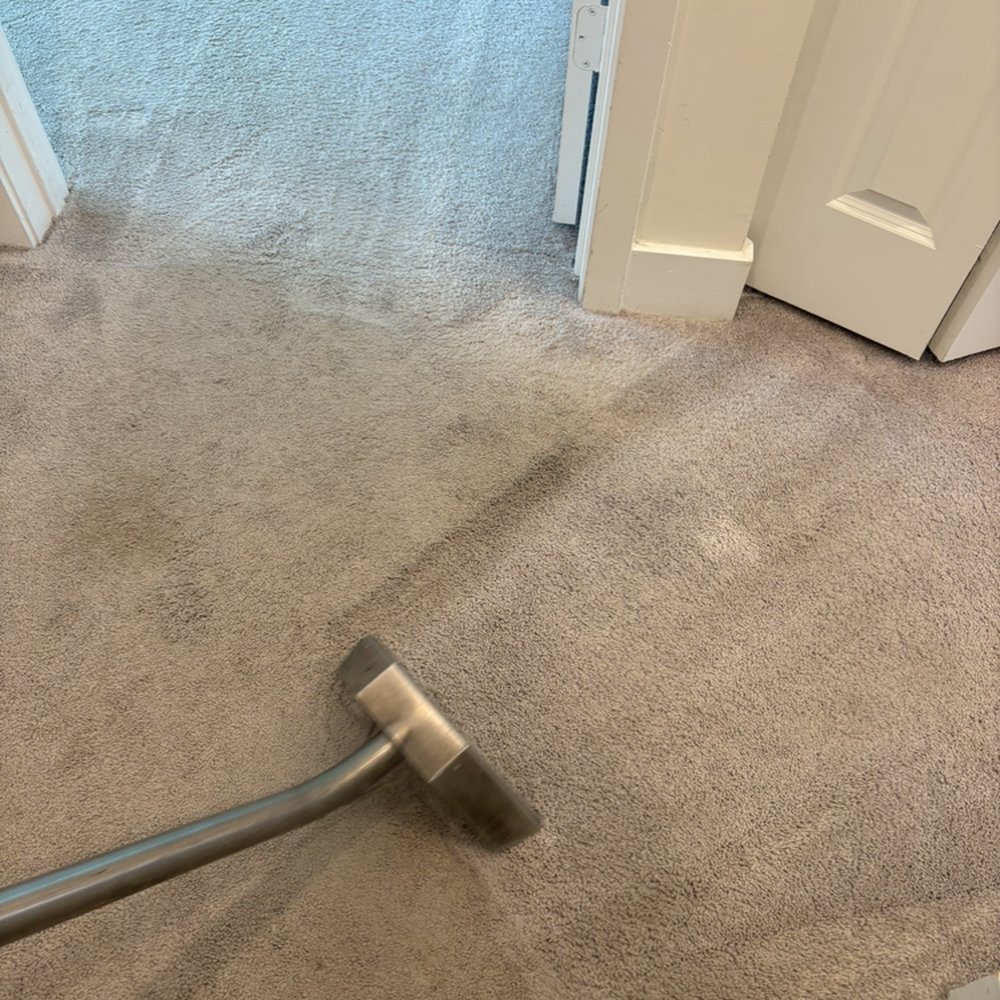
Carpet Cleaning After Water Damage in Miami Shores: Real-World Observations from Local Properties
In Miami Shores, water damage rarely stays contained to one small area — especially when carpet is involved.
Between heavy summer storms, aging plumbing in older homes, slab foundations, and constant humidity from nearby Biscayne Bay, wet carpet quickly becomes more than a surface problem.
Carpet cleaning after water damage in Miami Shores isn’t just about removing stains. It’s about controlling moisture before it turns into mold, odor, or structural deterioration.
After working in properties throughout Miami Shores and nearby North Miami and Biscayne Park, certain patterns show up again and again.
Here’s what property owners need to understand.
What We See Most Often in Miami Shores Homes
Many homes in Miami Shores were built decades ago. They often feature:
- Slab foundations
- Concrete block construction
- Older copper plumbing lines
- Low attic ventilation
- Mixed flooring (tile with carpeted bedrooms)
When water enters these homes — even in small amounts — carpet becomes the first visible victim.
But the real issue usually sits beneath it.
In real-world cases, the top of the carpet may feel slightly damp. Underneath, the padding is fully saturated.
And under that? The slab may still be wet days later.
The Most Common Causes of Carpet Water Damage Here
In Miami Shores properties, carpet water damage typically follows one of these scenarios:
1. Slab Plumbing Leaks
Older copper pipes running beneath the slab may develop slow leaks. Water migrates upward, dampening carpet from below.
Homeowners often notice:
- Warm spots
- Slight buckling
- Persistent humidity
- Musty odors
By the time carpet feels wet, the padding has already absorbed significant moisture.
2. AC Condensate Overflows
Clogged drain lines are extremely common in South Florida. When condensate pans overflow, nearby carpet becomes soaked.
Because AC systems run nearly year-round, these leaks sometimes go unnoticed for days.
3. Storm-Driven Rain Intrusion
Wind-driven rain during hurricane season pushes water past sliding glass doors and window seals.
Water seeps along baseboards and into carpet edges.
4. Appliance Hose Failures
Washing machines and water heaters frequently cause rapid water release.
In these cases, carpet saturation happens quickly and spreads outward in all directions.
Why Carpet Is So Vulnerable in Coastal Climates
Carpet and padding act like sponges.
In Miami Shores’ humid climate:
- Evaporation happens slowly
- Concrete slabs retain moisture
- Humidity prevents complete drying
- Dampness lingers beneath surfaces
Surface drying alone is not effective.
Even if the carpet looks dry, padding underneath may remain saturated.
That trapped moisture is what leads to odor and mold growth.
Real-World Observation: The Padding Is Usually the Problem
In most local cases, the carpet fibers themselves can sometimes be cleaned and salvaged.
The padding rarely can.
Once carpet padding becomes fully saturated:
- It traps moisture
- It restricts airflow
- It encourages mold growth
- It breaks down structurally
In many Miami Shores homes, replacing padding while properly drying the slab is the safest solution.
Attempting to dry padding in place in this climate often leads to recurring odor.
Subfloor and Slab Moisture: The Hidden Issue
Slab foundations complicate drying.
Water seeps into concrete and may take days to release.
If new padding or carpet is installed before the slab is dry:
- Moisture becomes trapped
- Odors return
- Mold growth develops underneath
Moisture meters and slab probes are essential before reinstalling flooring.
Surface dryness is not reliable.
The Mold Risk Timeline
In Miami Shores, mold can begin forming within 24–48 hours if carpet remains wet.
Common early warning signs include:
- Musty smells
- Discoloration at baseboards
- Increased indoor humidity
- Allergy-like symptoms
By the time visible mold appears on carpet edges, growth may already exist beneath the surface.
Prompt carpet cleaning and structural drying reduce the likelihood of needing full mold remediation.
Why Household Drying Methods Fail
Homeowners often attempt:
- Opening windows
- Running ceiling fans
- Using small shop vacuums
These methods remove surface water but do not eliminate deep moisture.
Professional carpet cleaning after water damage includes:
- High-powered water extraction
- Industrial air movers
- Dehumidification
- Moisture mapping
- Daily monitoring
Drying must be measured — not assumed.
The HVAC Factor
When carpet becomes wet, indoor humidity rises.
Air conditioning systems must work harder to maintain balance.
If moisture enters duct systems:
- Damp air circulates
- Odors persist
- Mold risk increases
Air duct cleaning may be necessary if water damage was significant.
Ignoring HVAC involvement often leads to recurring problems.
When Carpet Must Be Replaced
In some Miami Shores properties, replacement is the safer option.
Carpet may need replacement if:
- Padding is heavily contaminated
- Water exposure lasted more than 48 hours
- Mold growth is confirmed
- Odor persists after drying
- Subfloor moisture remains elevated
Professional assessment determines whether cleaning or replacement is appropriate.
Preventing Repeat Carpet Damage
Water damage to carpet is often preventable.
Property owners can reduce risk by:
- Inspecting plumbing lines annually
- Maintaining AC drain lines
- Monitoring indoor humidity
- Installing leak detection sensors
- Inspecting sliding door seals
- Scheduling post-storm inspections
Homes in nearby North Miami and Biscayne Park face similar risks and benefit from the same preventive measures.
Routine maintenance prevents emergency restoration.
Why Local Experience Makes a Difference
Carpet cleaning after water damage in Miami Shores requires understanding:
- Slab moisture behavior
- Coastal humidity patterns
- Aging plumbing infrastructure
- Hurricane-driven rain intrusion
- Concrete block construction
Professionals familiar with Miami Shores recognize how water spreads in these homes.
Tip Top Water and Fire Damage Restoration approaches carpet cleaning with local insight, focusing on complete moisture removal and long-term structural stability rather than quick cosmetic cleaning.
Experience reduces recurrence.
A Practical Takeaway
In Miami Shores, carpet water damage is rarely just about wet fibers.
It’s about:
- Saturated padding
- Damp slabs
- Elevated humidity
- Hidden moisture
If carpet becomes wet:
- Extract water immediately
- Remove padding if necessary
- Measure slab moisture
- Dry thoroughly
- Verify dryness before reinstalling materials
Handled quickly and properly, carpet cleaning after water damage can remain a contained repair.
Handled casually in a humid coastal climate, it often becomes a repeat issue.
In Miami Shores, moisture management is not optional. It’s maintenance.