
Carpet Cleaning After Water Damage in North Miami Beach: Real-World Observations from Local Properties
Carpet cleaning after water damage is one of the most common restoration needs in North Miami Beach. Because of the coastal climate, heavy rainfall, plumbing issues, and air-conditioning condensation, carpets often absorb moisture quickly. What many property owners do not realize is that even a small amount of water can affect not only carpet fibers but also the padding and subfloor beneath.
Real-world observations from local homes and rental properties show that proper cleaning and drying are essential to prevent odors, mold growth, and long-term structural problems.
What Happens to Carpet After Water Damage
Carpets are designed to trap dust and debris, but they also trap water. When moisture enters carpet fibers, it quickly spreads into the padding below. Carpet padding acts like a sponge and can hold large amounts of water long after the surface appears dry.
In humid environments like North Miami Beach, evaporation occurs slowly. This means carpets may remain damp for days if not properly extracted and dried. Moisture trapped beneath carpets can cause odors, discoloration, and deterioration of flooring materials.
Proper cleaning is necessary to remove both moisture and contaminants.
Why Water Damage to Carpet Is Common in North Miami Beach
Local properties often experience conditions that increase the risk of water intrusion. Heavy rain and storms can allow water to enter through doors, windows, or roof leaks. Plumbing leaks and appliance failures are also frequent causes of wet carpets.
Air conditioning systems contribute as well. Clogged condensate lines or excess condensation can cause water to drip onto flooring or into closets where carpeting is installed.
High humidity in coastal areas slows drying and increases the likelihood that damp carpets will develop odors or mold if not cleaned quickly.
Signs Observed in Local Homes
Homeowners in North Miami Beach often notice similar warning signs after water damage. One of the most common observations is a musty odor that persists even after the carpet feels dry. Dark patches or uneven coloring may appear in certain areas.
Other signs include:
- Carpet fibers that feel stiff or matted
- Increased indoor humidity
- Damp or swollen baseboards
- Odors that return after cleaning
These symptoms usually indicate that moisture remains trapped beneath the carpet.
Hidden Problems Beneath the Surface
One of the biggest challenges observed in local properties is hidden moisture. Water often seeps into carpet padding and subfloors, where it cannot be seen. Even small amounts of trapped moisture can create conditions where mold develops over time.
In some homes, inspections reveal moisture spreading several feet beyond the visibly wet area. This happens because water travels along flooring and structural materials.
Professional moisture detection is often necessary to determine how far the damage has spread.
Why Drying Alone Is Not Enough
Many homeowners attempt to dry carpets using fans or household dehumidifiers. While these methods may help reduce surface moisture, they rarely dry padding and subfloors completely.
Incomplete drying is one of the most common reasons odors and mold problems develop weeks after water damage. Proper extraction and cleaning are required to remove moisture from all layers of the flooring system.
Real-world restoration projects show that carpets that appear dry on the surface may still contain significant moisture underneath.
The Professional Carpet Cleaning Process
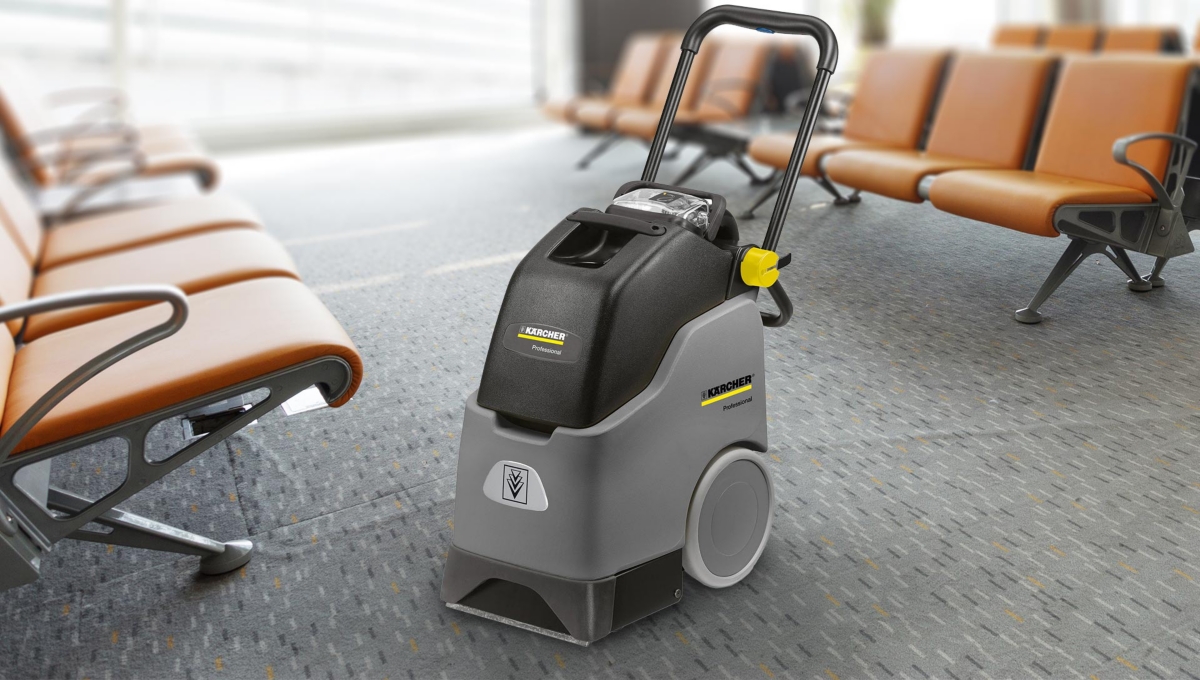
Professional carpet cleaning after water damage typically begins with water extraction. High-powered equipment removes moisture from carpet fibers and padding. Cleaning solutions are then used to remove contaminants, dirt, and residues left behind by water.
Air movers and dehumidifiers are placed to accelerate drying, and moisture levels are monitored until materials reach safe levels. In some cases, heavily saturated padding may need to be replaced to ensure proper drying.
Companies like Tip Top Water and Fire Damage Restoration often emphasize thorough drying and monitoring because incomplete drying is one of the main causes of recurring odor and mold problems.
Mold Risks in Damp Carpets
Mold growth is one of the most serious risks associated with wet carpets. Mold spores are naturally present in most environments, and damp carpet provides ideal conditions for growth. In warm, humid climates, mold can develop quickly if moisture remains.
Mold often grows beneath carpets where it is not visible, making early cleaning essential. Removing moisture quickly and thoroughly significantly reduces this risk and helps protect indoor air quality.
Preventing mold is one of the main reasons prompt carpet cleaning is so important.
HVAC Systems and Carpet Drying
Air conditioning systems play an important role in controlling humidity during the drying process. However, if ducts or air handlers contain moisture, humid air may circulate throughout the home, slowing drying and increasing the risk of odors.
During restoration, technicians often check HVAC systems to ensure proper airflow and humidity control. Maintaining clean ducts and clear drain lines helps support faster drying and better indoor air quality.
Proper ventilation is essential for effective carpet drying.
Preventing Future Carpet Damage
Property owners in North Miami Beach can reduce the likelihood of carpet damage by performing regular maintenance. Inspecting plumbing systems and addressing leaks promptly helps prevent hidden moisture problems. Keeping roofs, windows, and exterior walls well sealed reduces the risk of water intrusion during storms.
Monitoring indoor humidity levels is another effective step. When humidity rises unexpectedly, it may indicate hidden moisture or ventilation problems.
Using dehumidifiers during periods of high humidity can also help maintain dry indoor conditions.
Why Local Experience Matters
Carpet cleaning after water damage in coastal South Florida requires knowledge of local climate conditions and building practices. Homes in North Miami Beach face challenges related to humidity, salt air exposure, and frequent storms.
Professionals familiar with nearby communities such as Sunny Isles Beach, Bal Harbour, and Miami Shores understand how moisture behaves in carpet and flooring materials in humid environments. Local experience allows technicians to recommend the most effective drying and cleaning methods.
Tip Top Water and Fire Damage Restoration has handled many carpet cleaning and restoration projects in these communities, where early intervention prevented mold growth and extended the life of flooring materials.
A Practical Approach to Protecting Carpet and Flooring
Water-damaged carpet is more than a cosmetic issue. Moisture trapped beneath the surface can lead to odors, mold growth, and structural deterioration if not addressed properly. Real-world observations from North Miami Beach properties show that prompt extraction, thorough cleaning, and controlled drying are essential for long-term results.
For homeowners and property managers, recognizing early warning signs and acting quickly after water intrusion helps protect both indoor comfort and the condition of the property. With proper cleaning and preventive maintenance, carpets can remain clean, dry, and durable even in South Florida’s humid coastal climate.