Common Misconceptions Explained: Indoor Air Quality Improvement Challenges in Sunny Isles Beach
Maintaining healthy indoor air quality (IAQ) is increasingly important for homeowners, landlords, and property managers in Sunny Isles Beach. Coastal properties face unique environmental pressures, including high humidity, salt-laden air, and frequent storms, all of which influence indoor air quality. Yet many property owners struggle with misconceptions that hinder proper IAQ improvement. These misunderstandings can lead to ineffective solutions, recurring problems, or even hidden mold growth.
Through real-world observations of Sunny Isles Beach properties, it is clear that improving indoor air quality is not just about installing air purifiers or changing filters—it is about addressing the root causes, understanding the local environment, and applying professional inspection and remediation practices when necessary. This article explains common misconceptions, highlights the challenges specific to coastal homes, and provides practical guidance for property owners aiming to improve indoor air quality effectively.
Misconception 1: “If I Don’t See Mold, My Air Is Fine”
One of the most widespread misunderstandings is that visible mold is necessary for poor indoor air quality. In reality:
- Mold often grows in hidden spaces: behind drywall, inside wall cavities, under flooring, or in AC ducts.
- Even small amounts of mold can release spores that circulate throughout a home.
- Musty odors or unexplained allergic symptoms often indicate hidden mold, even if it is not visible.
In Sunny Isles Beach, high humidity levels allow mold to thrive behind walls long before homeowners notice any staining. Professional inspections using moisture meters and air sampling often reveal hidden problems that visual checks miss.
Misconception 2: “Running My AC Constantly Solves Humidity Issues”
Air conditioning is essential in coastal Florida, but it is not a complete solution for indoor air quality:
- Older AC systems may not have modern dehumidification capabilities, leaving indoor humidity high despite continuous operation.
- Condensate lines or pans can become clogged, creating moisture buildup and potential mold growth.
- Overcooling a home without proper airflow can create stagnant areas where mold spores accumulate.
Understanding the limitations of older systems is crucial for property owners in Sunny Isles Beach, where high humidity persists year-round.
Misconception 3: “Air Purifiers Alone Can Fix IAQ Problems”
Portable air purifiers are popular, but they do not address the root causes of poor indoor air quality in coastal homes:
- Air purifiers can capture airborne particles but cannot remove mold hidden behind walls or in ducts.
- They do not prevent moisture from infiltrating building materials during storms or high-humidity days.
- Without proper duct cleaning and moisture control, purifiers may offer only temporary relief.
Professional IAQ improvement focuses on eliminating sources of pollutants rather than just filtering air.
Misconception 4: “If the Home Smells Fine, the Air Is Safe”
Odor is not a reliable indicator of air quality:
- Mold growth behind walls, under floors, or inside ducts may emit few or subtle odors.
- Volatile organic compounds (VOCs) from building materials, paints, or cleaning chemicals may affect IAQ without noticeable smell.
- Salt air and natural ventilation in Sunny Isles Beach can mask faint odors.
Routine inspection, testing, and moisture assessment are necessary to confirm indoor air quality.
Misconception 5: “Cleaning Visible Ducts Once Is Enough”
Many homeowners believe that a single duct cleaning resolves air quality issues indefinitely. In practice:
- Dust, debris, and moisture accumulate over time, particularly in older homes.
- Coastal conditions accelerate duct corrosion and microbial growth.
- AC condensation can promote recurring mold inside ducts if underlying moisture issues are not addressed.
Regular monitoring and preventive maintenance are essential for sustained improvement.
Real-World Challenges in Sunny Isles Beach Homes
High Coastal Humidity
Humidity levels in Sunny Isles Beach often exceed 60%, even indoors. This promotes:
- Condensation inside ductwork and HVAC units
- Moisture accumulation in poorly ventilated closets, attics, and wall cavities
- Increased likelihood of mold growth
Controlling humidity requires a combination of properly sized AC systems, ventilation, and dehumidification.
Storm Water Intrusion
Hurricanes and heavy seasonal rains can drive moisture into homes:
- Leaky windows and doors allow water and humidity inside
- Roof and gutter issues create damp areas behind ceilings and walls
- Water intrusion combined with poor ventilation accelerates mold growth
After storms, professional moisture detection is often necessary to identify hidden water damage.
Older Construction
Many Sunny Isles Beach properties were built decades ago, using materials and methods that are more vulnerable to moisture:
- Lack of modern vapor barriers
- Aging insulation that retains moisture
- Original ductwork with limited accessibility
- Ceiling and wall cavities prone to condensation
Older homes often require more frequent IAQ assessments and tailored remediation strategies.
Practical Steps for Indoor Air Quality Improvement
1. Professional Inspection and Testing
- Air sampling and moisture detection reveal hidden mold, water intrusion, and elevated humidity areas.
- Inspectors evaluate both visible surfaces and concealed spaces such as ductwork, attics, and wall cavities.
2. Address Moisture Sources
- Repair roof leaks, plumbing issues, and AC drainage problems promptly.
- Install or improve dehumidification systems in areas prone to high humidity.
- Ensure proper ventilation in bathrooms, kitchens, and closets.
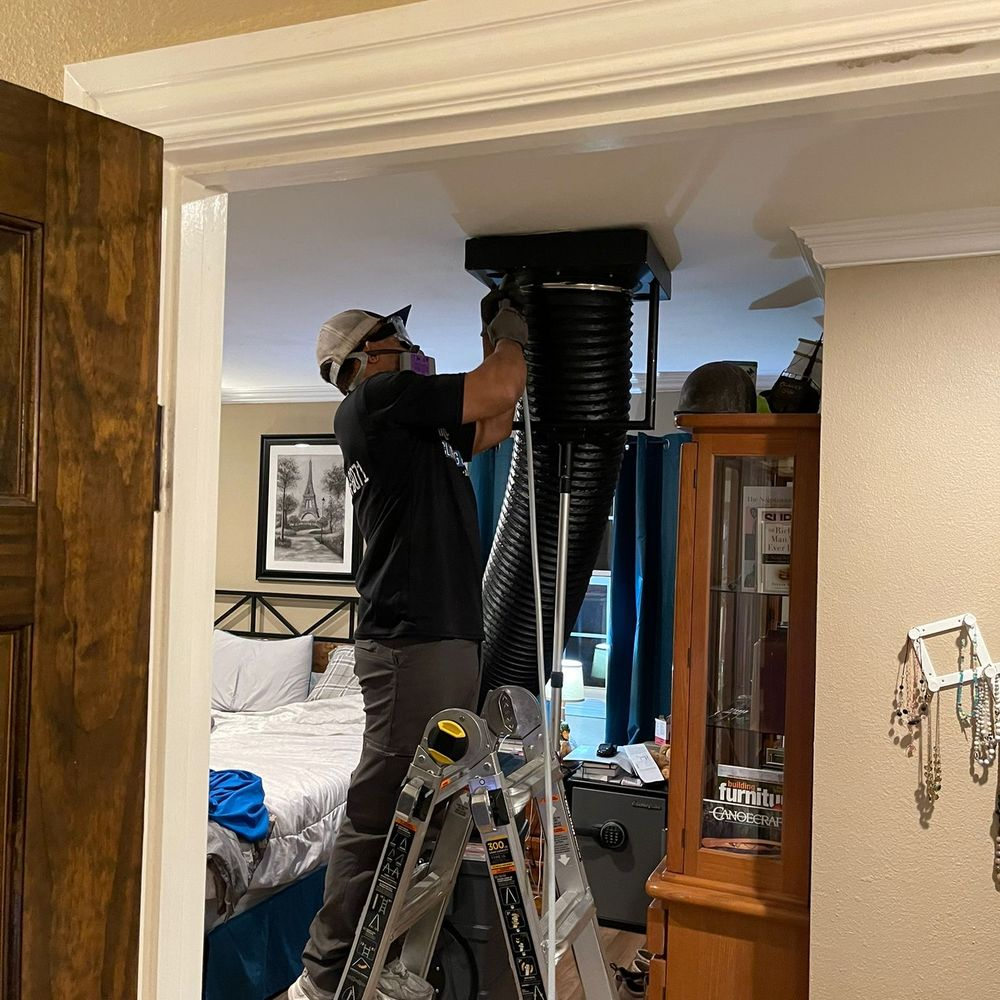
3. Duct Cleaning and AC Maintenance
- Clean ducts using HEPA-filtered systems.
- Check for condensate buildup, leaks, and corrosion.
- Replace filters regularly and schedule AC servicing at least annually.
4. Mold Remediation When Necessary
- Remove contaminated materials such as drywall, insulation, and baseboards.
- Treat remaining structural surfaces with antimicrobial solutions.
- Monitor moisture to prevent regrowth.
5. Preventive Monitoring
- Use indoor humidity sensors to maintain levels between 45–55%.
- Inspect after storms or heavy rainfall.
- Consider periodic professional assessments, especially for older homes.
Common Missteps Property Owners Make
- Relying solely on air purifiers without addressing moisture
- Ignoring AC maintenance for long periods
- Painting or sealing mold-affected areas without remediation
- Believing that short-term fixes will solve persistent IAQ issues
- Delaying inspections after water intrusion events
These missteps can lead to recurring problems, higher remediation costs, and long-term property damage.
Financial Implications of Ignoring IAQ Challenges
Unchecked indoor air quality issues in Sunny Isles Beach homes can result in:
- Mold remediation expenses
- Structural repairs from hidden moisture
- HVAC system repairs or replacements
- Reduced property value
- Recurring indoor discomfort or complaints from tenants
Investing in professional inspections and preventive maintenance early often saves significant money in the long run.
Why Local Expertise Matters
Indoor air quality challenges in Sunny Isles Beach are shaped by:
- Coastal humidity patterns
- Salt-laden air and its effect on building materials
- Storm-driven moisture intrusion
- Older construction methods common in the area
Tip Top Water and Fire Damage Restoration has extensive experience improving IAQ in local homes, ensuring that solutions are effective in a coastal environment and address both visible and hidden sources of moisture.
Final Thoughts
Indoor air quality improvement in Sunny Isles Beach is more complex than most homeowners realize. Misconceptions—such as relying solely on visual cues, air purifiers, or constant AC operation—often lead to incomplete solutions. Coastal humidity, older construction, and storm exposure create conditions where moisture and mold can remain hidden for long periods.
Effective IAQ improvement requires professional inspection, moisture detection, and targeted remediation. By understanding the real challenges of coastal homes, property owners can maintain healthier indoor air, prevent mold growth, and protect both the structure and long-term value of their property.
In Sunny Isles Beach, proactive attention to indoor air quality is not just a preference—it is a necessity for safe, comfortable, and resilient living.