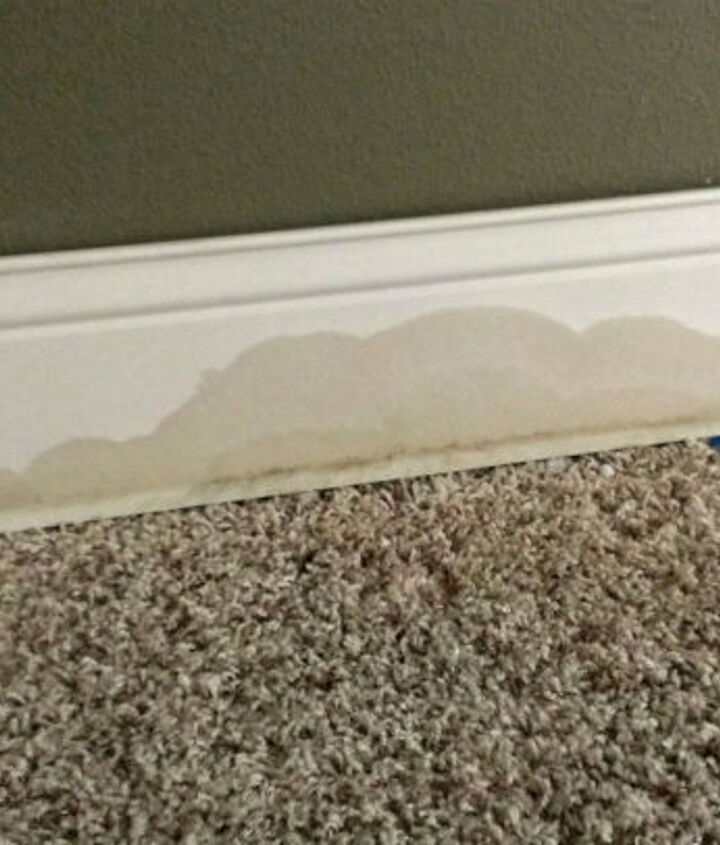
Common Misconceptions Explained: Water Damage Repair Challenges in North Miami
Water damage is one of the most frequent problems affecting homes in North Miami. Heavy rains, plumbing leaks, appliance failures, and air-conditioning issues can all introduce moisture into a property. While many homeowners recognize the immediate effects of water damage, there are several common misconceptions about how water damage behaves and how repairs should be handled. These misunderstandings often lead to delayed repairs, hidden damage, and higher restoration costs.
Why Water Damage Is So Common in North Miami
Homes in North Miami and nearby areas such as Miami Shores, Biscayne Park, and North Miami Beach face environmental conditions that increase the likelihood of water damage.
Several local factors contribute:
Frequent heavy rains and storms
Sudden downpours and wind-driven rain can allow water to enter roofs, windows, and exterior walls.
High humidity levels
Moist air slows drying and allows damp materials to remain wet longer.
Continuous air conditioning use
AC systems produce condensation that can leak when drain lines clog or components wear out.
Aging plumbing systems
Older pipes and fittings may develop slow leaks that go unnoticed.
Because of these conditions, proper water damage repair is an essential part of home maintenance in coastal South Florida.
Misconception #1: If the Surface Is Dry, the Problem Is Gone
One of the most common misunderstandings is assuming that once floors or walls feel dry, the damage has been resolved. In reality, moisture often remains trapped in hidden areas.
Moisture frequently remains in:
- Carpet padding
- Subfloors
- Wall cavities
- Insulation
- Baseboards and framing
Hidden moisture can lead to mold growth, odors, and structural damage weeks after the original incident.
Professionals familiar with coastal environments often use moisture detection tools to locate hidden damp areas. Companies such as Tip Top Water and Fire Damage Restoration frequently emphasize that thorough drying is just as important as water extraction.
Misconception #2: Small Leaks Don’t Cause Serious Damage
Another common misconception is that small leaks are harmless. In fact, slow leaks can sometimes cause more damage than sudden flooding because they remain unnoticed for longer periods.
Slow leaks may lead to:
- Mold growth behind walls
- Rotting wood framing
- Warped flooring
- Persistent odors
Addressing leaks early often prevents major restoration projects later.
Misconception #3: Household Fans Are Enough to Dry the Area
Many property owners try to dry water-damaged areas using household fans or by opening windows. While this may remove some surface moisture, it rarely addresses deeper materials.
Household drying methods often fail because:
- Airflow is insufficient
- Humidity slows evaporation
- Moisture trapped in walls and flooring is not detected
- Drying is uneven
Professional drying equipment is designed to remove moisture from structural materials, not just surfaces.
Misconception #4: Water Damage Only Affects the Area You Can See
Water often travels through building materials and spreads far beyond the original source. For example, a leak in one room may affect adjacent walls or flooring.
Hidden water damage commonly spreads to:
- Adjacent rooms
- Lower floors
- Ceiling cavities
- Structural framing
This is why thorough inspection is an important part of water damage repair.
Misconception #5: Mold Only Appears After Major Flooding
Mold does not require large amounts of water to develop. In North Miami’s humid climate, mold can begin growing after even minor moisture exposure if drying is incomplete.
Mold risk increases when:
- Humidity remains high
- Moisture is trapped in porous materials
- Ventilation is limited
- Drying is delayed
Preventing mold is one of the main goals of proper water damage repair.
Misconception #6: Water Damage Repairs Are Only About Drying
Drying is a critical step, but effective repair also involves identifying the cause of the problem and preventing it from recurring.
Water damage repair may include:
- Leak detection and repair
- Moisture removal and drying
- Cleaning and sanitation
- Repair of damaged materials
- Preventive measures to reduce future risk
Ignoring the source of the water often leads to repeated problems.
Why Humidity Makes Water Damage More Challenging
Humidity plays a major role in how water damage behaves in coastal homes. In humid climates, materials take longer to dry and may even reabsorb moisture from the air.
High humidity can:
- Prolong drying times
- Increase mold risk
- Intensify odors
- Allow moisture to spread through porous materials
Controlling humidity is often a key part of restoration.
The Water Damage Repair Process
Proper water damage repair follows a structured process designed to address both visible and hidden damage.
1. Inspection and moisture detection
Technicians identify all affected areas, including hidden moisture.
2. Water extraction
Standing water is removed using specialized equipment.
3. Structural drying
Air movers and dehumidifiers remove moisture from walls, floors, and structural components.
4. Cleaning and restoration
Affected materials are cleaned and repaired as needed.
5. Final inspection
Moisture levels are verified to ensure drying is complete.
This systematic approach helps prevent long-term problems.
Lessons Learned from Local Homes
Real situations from homes in North Miami reveal several consistent patterns.
Hidden moisture is common after small leaks
Many homeowners underestimate how far water can spread.
Carpet padding often retains moisture
Even when carpets feel dry, padding may remain wet.
Humidity prolongs drying times
Coastal conditions often require extended drying periods.
Early repairs reduce restoration costs
Homes addressed promptly typically required less extensive work.
These observations highlight the importance of early inspection.
Practical Steps to Prevent Future Water Damage
Property owners can reduce the likelihood of water damage by following routine maintenance practices.
Helpful steps include:
- Inspecting plumbing connections regularly
- Cleaning AC condensate lines periodically
- Monitoring indoor humidity levels
- Checking roofs and flashing after storms
- Repairing leaks promptly
- Scheduling periodic inspections
Preventive maintenance often identifies small problems before they become serious.
Why Local Experience Matters
Water damage repair in coastal South Florida requires understanding how humidity, storms, and building materials interact. Homes in North Miami and nearby communities experience environmental conditions that differ significantly from inland regions.
Professionals familiar with local conditions understand:
- How coastal humidity affects drying
- Where moisture commonly accumulates
- Which materials are most vulnerable
- How ventilation systems influence indoor air quality
This knowledge helps ensure repairs are thorough and effective.
A Practical Next Step for Property Owners
Water damage is often more complex than it appears at first. Misconceptions about drying, mold risk, and hidden moisture can lead to delayed repairs and larger problems later. If you notice water stains, damp areas, or musty odors, having your property inspected early can prevent extensive damage.
Working with experienced restoration professionals such as Tip Top Water and Fire Damage Restoration helps ensure that moisture is fully removed, repairs are completed correctly, and preventive steps are taken. With timely action and regular maintenance, homeowners in North Miami can protect their properties and maintain safe, comfortable indoor environments.