Early Clues Most People Miss: Carpet Cleaning After Water Damage Challenges in Aventura
Water damage is a common concern for property owners in Aventura. Heavy rain, plumbing leaks, appliance failures, and air conditioning issues can all lead to wet flooring and saturated carpets. While many homeowners focus on removing standing water, the real challenge often begins afterward—proper carpet cleaning and drying.
Carpets and padding absorb water quickly, and in South Florida’s humid climate, they can hold moisture longer than expected. When early warning signs are overlooked, what seems like a minor issue can turn into odors, mold growth, or even structural damage beneath the flooring.
Recognizing the early clues most people miss can help homeowners prevent long-term problems and avoid costly repairs.
What Carpet Cleaning After Water Damage Really Involves
Carpet cleaning after water damage is not the same as routine cleaning. Once a carpet becomes wet, both the fibers and the padding underneath must be dried and sanitized properly.
In many Aventura homes and condos, water damage affects:
- Wall-to-wall carpeting
- Area rugs placed over tile or wood
- Carpet padding and subfloors
- Baseboards and nearby drywall
If moisture remains trapped underneath the carpet, problems often develop even when the surface appears dry.
Why This Happens So Often in Aventura
Aventura’s environment creates ideal conditions for moisture to linger.
Several factors contribute:
High humidity levels slow evaporation and drying.
Frequent rainstorms and plumbing issues increase the likelihood of water intrusion.
Air conditioning systems can create condensation that dampens carpets near vents or air handlers.
High-rise living environments sometimes reduce airflow, making drying slower.
Nearby areas such as North Miami Beach, Sunny Isles Beach, and Bal Harbour experience similar conditions, particularly in coastal buildings where indoor humidity remains elevated.
Early Clues Most People Miss
Many homeowners assume that once visible water is removed, the problem is solved. However, carpets often show subtle signs of retained moisture before more serious damage appears.
Some early clues include:
- A slightly musty smell, especially in the morning
- Carpet feeling cool or slightly damp under bare feet
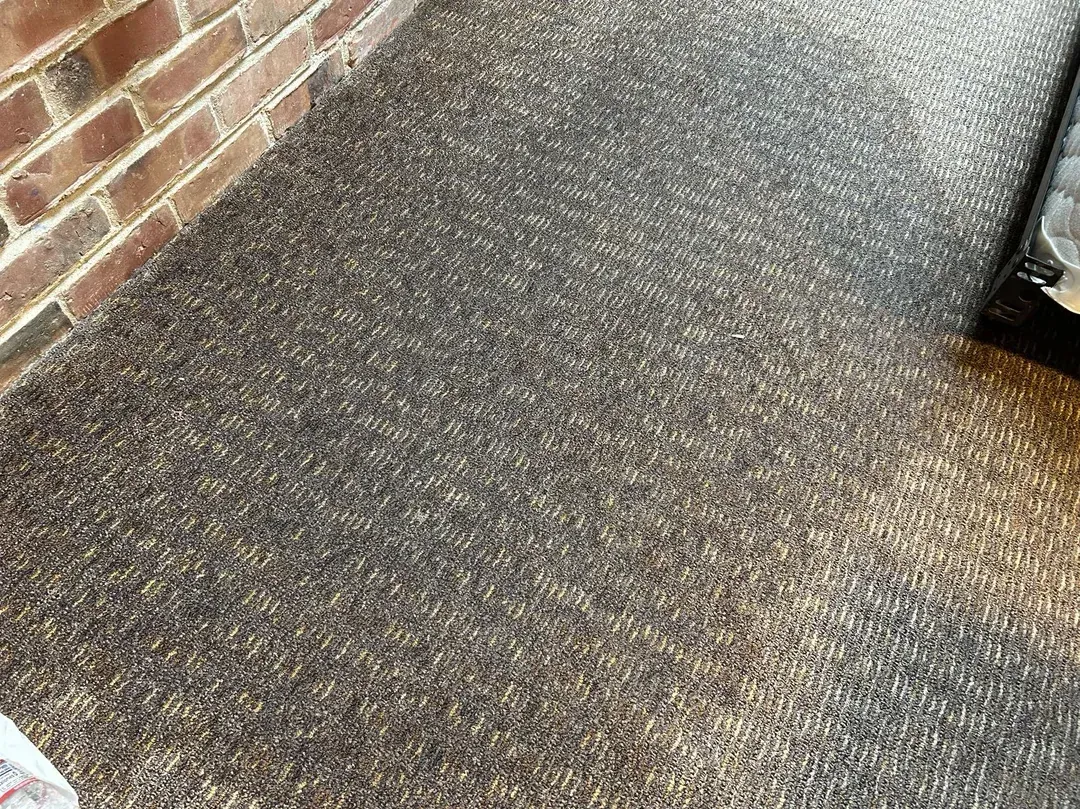
- Edges of carpet darkening near walls or baseboards
- Increased humidity in a single room
- Minor rippling or uneven texture in carpet fibers
These signs often indicate moisture trapped in the padding or subfloor.
Hidden or Overlooked Sources of Moisture
Water doesn’t always remain where it first appears. It can travel beneath carpets and spread into nearby materials.
Common hidden sources include:
Moisture trapped in carpet padding
Padding acts like a sponge and dries much slower than the surface.
Subfloor saturation
Wood and concrete can retain moisture long after carpets feel dry.
Baseboards and drywall
Water often wicks upward into walls.
Nearby plumbing or appliance leaks
Slow leaks can keep carpets damp even after initial drying.
Air conditioning condensation
Moisture from ducts or vents can settle onto flooring over time.
Professional inspections often reveal moisture in these areas even when carpets appear normal.
Why DIY Carpet Drying Often Falls Short
Homeowners frequently use fans or open windows to dry carpets after water damage. While this helps with surface moisture, it rarely dries the padding or subfloor completely.
Common limitations of DIY drying include:
- Airflow not reaching beneath the carpet
- Indoor humidity remaining too high
- Moisture trapped in padding
- Mold growth beginning underneath the carpet
In humid climates like Aventura, incomplete drying is one of the most common reasons odors or mold develop weeks after water damage.
Professional Inspection and Moisture Detection Explained
A professional evaluation focuses on identifying hidden moisture and determining whether the carpet and padding can be restored safely.
Typical steps include:
- Moisture readings in carpet and subfloor
- Inspection of baseboards and walls
- Checking humidity levels in the room
- Determining whether padding requires replacement
- Monitoring drying progress
Technicians may use specialized equipment to lift sections of carpet and measure moisture underneath, ensuring no damp areas remain.
Companies experienced in local conditions, such as Tip Top Water and Fire Damage Restoration, often find that padding holds moisture much longer than homeowners expect.
Proper Carpet Cleaning and Drying Process
Effective carpet restoration involves more than drying the surface.
Typical steps include:
Water extraction to remove as much moisture as possible
Lifting carpet sections to dry padding and subfloor
Using air movers and dehumidifiers to accelerate drying
Cleaning and sanitizing carpet fibers
Monitoring moisture levels until fully dry
In some cases, heavily saturated padding must be replaced to prevent mold growth.
Mold Risks After Carpet Water Damage
Carpets provide an ideal environment for mold when moisture remains trapped. Warm temperatures and humidity accelerate this process.
Mold may develop:
- Under carpet padding
- Along tack strips and edges
- Inside baseboards
- Beneath furniture that traps moisture
Early drying is the most effective way to prevent mold remediation later.
Air Ducts, AC Systems, and Moisture Control
Air conditioning systems play a major role in indoor moisture levels. After water damage, HVAC performance can influence how quickly carpets dry.
Common issues include:
- High indoor humidity slowing evaporation
- Condensation from vents dampening carpets
- Reduced airflow in closed rooms
Ensuring proper airflow and humidity control helps speed drying and prevent lingering moisture.
How to Prevent Long-Term Carpet Damage
Property owners in Aventura can reduce the risk of recurring problems by taking preventive steps after water damage.
Helpful measures include:
- Drying carpets within 24 hours whenever possible
- Using dehumidifiers to control indoor humidity
- Inspecting padding and subfloors for moisture
- Cleaning and servicing AC systems regularly
- Addressing plumbing leaks immediately
Routine inspections in nearby communities like Miami Shores and Biscayne Park often help identify moisture problems before they worsen.
Why Local Experience Matters
Carpet drying and restoration in coastal environments require an understanding of humidity behavior, building materials, and airflow patterns.
Professionals familiar with Aventura properties understand:
- How coastal humidity affects drying times
- How high-rise buildings influence airflow
- How slab foundations retain moisture
- How AC systems interact with indoor humidity
This local knowledge helps ensure carpets are properly dried and cleaned, reducing the chance of odors or mold returning.
Many homeowners rely on experienced local providers such as Tip Top Water and Fire Damage Restoration when dealing with carpet water damage for this reason.
A Practical, Calm Next Step
Water-damaged carpets don’t always show obvious problems right away. Paying attention to early clues—such as slight odors, damp textures, or localized humidity—can help prevent long-term damage.
For homeowners and property managers in Aventura, acting quickly, drying thoroughly, and monitoring moisture levels are the most effective ways to protect flooring and indoor air quality.
A careful inspection and proper drying process can turn a potentially serious issue into a manageable repair and help ensure carpets remain clean, dry, and safe.