
Early Clues Most People Miss: Fire Damage Restoration Challenges in Surfside
Surfside’s oceanfront setting offers beautiful views and relaxed coastal living, but like many South Florida communities, homes here face risks that residents don’t always anticipate. While storms and flooding receive most attention, fires still occur due to electrical failures, kitchen accidents, or equipment malfunctions. When they do, the restoration process can become complex, especially in a coastal environment.
One of the biggest challenges following a fire is that many serious problems are not immediately visible. Homeowners often focus on burned areas, yet smoke, soot, and moisture from firefighting efforts create hidden issues that appear days or weeks later. Understanding these early clues helps property owners respond properly and prevent long-term damage.
Fire Damage Goes Far Beyond the Burned Room
After a fire is extinguished, it is easy to believe that cleanup only involves replacing burned materials. In reality, smoke and soot spread quickly throughout a home, even if flames were limited to a single room.
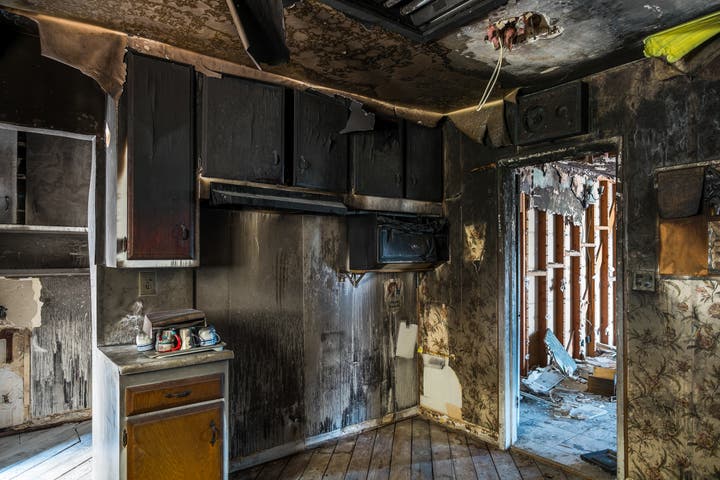
Smoke particles travel through ventilation systems, wall cavities, and ceiling spaces. As they cool, they settle on surfaces and penetrate porous materials such as insulation, carpets, fabrics, and drywall. These contaminants often remain hidden until odors or discoloration begin to appear later.
In Surfside homes, coastal humidity makes matters worse by trapping smoke particles inside materials, allowing odors and damage to persist.
Why Restoration Is More Difficult in Surfside Homes
Coastal weather plays a major role in restoration challenges. Surfside homes constantly experience moisture exposure from ocean air, heavy rains, and humidity. After a fire, these conditions slow recovery.
Several local factors complicate fire damage restoration:
• High humidity slows drying after firefighting efforts
• Salt air accelerates corrosion of smoke-damaged surfaces
• Multi-unit condo buildings allow smoke to travel between units
• Modern airtight buildings trap odors inside
• Storm weather can interrupt restoration work
Moisture combined with soot residue increases risks of long-term damage if restoration is delayed.
Immediate Damage Homeowners Usually Notice
Right after a fire event, damage is typically obvious. Homeowners often see:
• Burned or charred materials
• Heavy smoke odors
• Black soot covering walls and ceilings
• Water accumulation from firefighting
• Broken windows or structural openings
• Electrical system disruptions
However, these visible problems are only part of the restoration challenge. Hidden issues often emerge later.
Early Clues That Hidden Damage Exists
Many homeowners believe cleanup is complete once debris is removed, only to notice new problems appearing days later. These clues often signal hidden smoke contamination or moisture damage.
Common early warning signs include:
• Smoke odor returning after cleaning
• Yellow or gray stains appearing on walls or ceilings
• Metallic fixtures beginning to corrode
• Paint discoloration or peeling
• Lingering haze or dust in sunlight
• Increased allergy-like symptoms indoors
These clues suggest smoke particles or moisture remain inside the structure.
Hidden Smoke Damage Appears Later
Smoke damage frequently affects areas homeowners never think to inspect. Restoration professionals often find contamination in spaces untouched by flames.
Common hidden smoke damage areas include:
• Inside wall cavities
• Ceiling insulation and framing
• Inside closets and storage areas
• HVAC duct systems
• Furniture and soft materials
• Electrical outlets and fixtures
Smoke particles can slowly seep back through surfaces, creating stains or odors weeks after the fire.
Soot Continues Damaging Surfaces Over Time
Soot is not just dirt—it contains acidic compounds that continue damaging materials long after a fire ends. If not removed properly, soot residues corrode surfaces gradually.
Commonly affected surfaces include:
• Stainless steel appliances
• Electronics and wiring components
• Glass and window frames
• Stone countertops and grout lines
• Wood furniture and cabinetry
In humid coastal environments like Surfside, corrosion accelerates, making quick restoration even more important.
Water Damage Creates Secondary Problems
Water used to extinguish fires often spreads far beyond the burned area. Floors, ceilings, and walls absorb moisture, creating additional restoration challenges.
Water can remain trapped inside:
• Wall cavities
• Ceiling insulation
• Flooring and subfloors
• Adjacent rooms
In Surfside’s humid climate, materials dry slowly. This increases mold growth risks and structural weakening if drying is incomplete.
Professional restoration must address both fire and water damage simultaneously.
HVAC Systems Spread Smoke Contamination
Many homeowners are surprised to learn that air conditioning systems can spread smoke contamination throughout a home.
If HVAC systems continue operating during a fire, smoke particles enter duct systems and circulate into rooms far from the fire source. Even after visible cleanup, contaminated ducts can continue releasing soot and odors.
Professional restoration often includes:
• HVAC inspection
• Air duct cleaning
• Filter replacement
• Air handler cleaning
Restoring clean airflow is critical to maintaining indoor air quality.
Why DIY Cleanup Often Falls Short
Homeowners sometimes attempt cleanup themselves after minor fires, hoping to save money. While wiping surfaces may improve appearance, deeper contamination usually remains.
DIY cleanup often fails because:
• Smoke particles stay embedded in materials
• Odors return after incomplete cleaning
• Soot continues corroding surfaces
• Hidden moisture remains untreated
• HVAC systems continue spreading contaminants
Professional restoration equipment and techniques are necessary to remove contamination completely.
Professional Fire Damage Restoration Process
A thorough restoration process involves several coordinated steps to ensure homes return to safe living conditions.
Typical restoration steps include:
• Detailed damage assessment
• Removal of burned or unstable materials
• Specialized soot and smoke cleanup
• Deep cleaning of affected contents and surfaces
• Odor neutralization treatments
• Water extraction and structural drying
• HVAC system cleaning
• Final inspections to confirm restoration success
Restoration professionals such as Tip Top Water and Fire Damage Restoration often assist Surfside homeowners by addressing both visible and hidden damage to prevent long-term problems.
Long-Term Protection After Restoration
After restoration is complete, homeowners should consider steps that reduce future fire risks and help protect their homes.
Recommended preventive actions include:
• Updating older electrical systems
• Installing modern smoke detectors
• Keeping fire extinguishers available
• Cleaning dryer vents regularly
• Inspecting appliances and wiring
• Scheduling routine HVAC maintenance
Preventive measures reduce future risks while protecting home investments.
Why Local Restoration Experience Matters
Fire restoration in coastal communities requires understanding how humidity, salt air, and local construction styles influence recovery. Professionals familiar with Surfside homes recognize common moisture and smoke damage patterns unique to coastal properties.
Local restoration teams understand condominium layouts, ventilation challenges, and coastal weather effects, allowing them to complete restoration efficiently and effectively.
Tip Top Water and Fire Damage Restoration regularly works in Surfside and surrounding communities, offering restoration solutions tailored to South Florida’s coastal conditions.
Acting Quickly Prevents Bigger Problems
Fire damage is overwhelming, but recovery is smoother when restoration begins quickly. Coastal humidity and hidden smoke contamination increase risks if cleanup is delayed.
Homeowners who recognize early warning signs and address damage thoroughly can prevent odors, corrosion, mold growth, and long-term structural problems. Fast action helps Surfside residents restore comfort and safety while protecting property value.