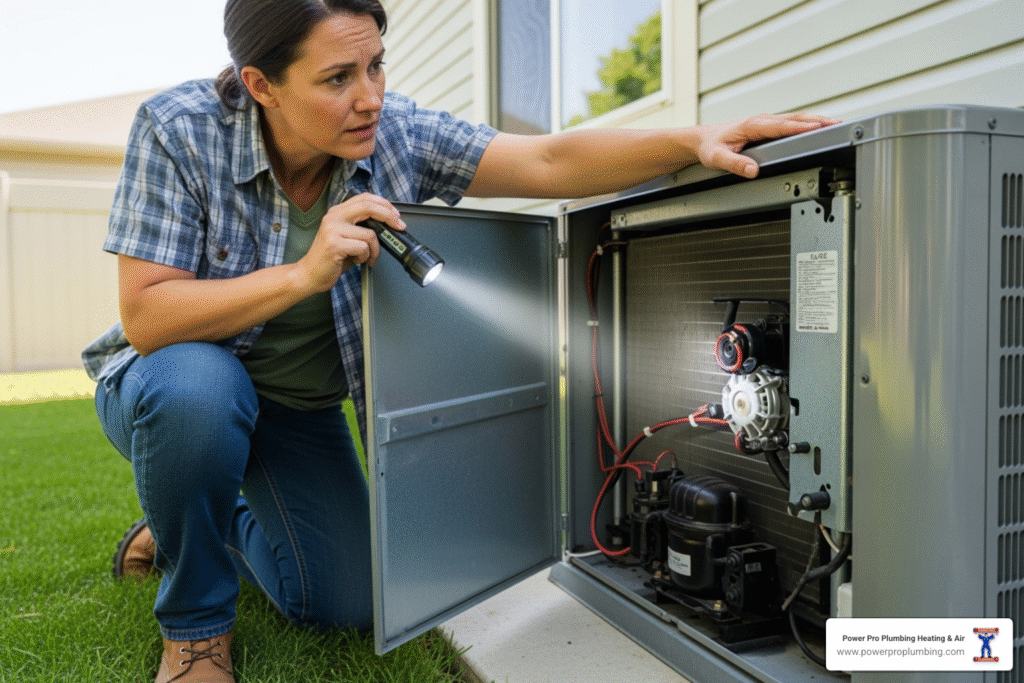
Explaining the Process of AC Moisture Repair in Coastal Neighborhoods Near Biscayne Bay
Homeowners in coastal neighborhoods near Biscayne Bay often face unique challenges due to the combination of high humidity, salt-laden air, and frequent rainstorms. One common issue in these homes is excess moisture related to air conditioning systems, which, if left unchecked, can lead to mold growth, water damage, and reduced indoor air quality. Understanding the process of AC moisture repair is essential to maintaining healthy, dry, and comfortable homes in these coastal environments.
1. Why AC Moisture Issues Occur
Air conditioning systems naturally produce condensation as they cool indoor air. In coastal homes, this process is often intensified due to:
- High humidity levels that increase condensation output
- Clogged or improperly installed condensate drain lines
- Overflowing drip pans caused by neglected maintenance
- Frozen evaporator coils thawing and dripping water into ceilings or walls
- Poorly insulated ducts that allow condensation to accumulate inside walls or ceilings
When moisture is not properly drained, it can saturate surrounding materials, creating conditions favorable for mold and structural damage.
2. Signs That AC Moisture Repair Is Needed
Homeowners should look for the following indicators:
- Visible water dripping or pooling near the air handler or ductwork
- Musty or damp odors in rooms served by the AC
- Stains or discoloration on ceilings, walls, or baseboards
- Reduced AC efficiency or frequent cycling
- High indoor humidity despite running the air conditioner
Recognizing these signs early prevents hidden water damage from developing into larger restoration issues.
3. Step 1: Inspection and Diagnosis
The first stage of AC moisture repair involves a thorough inspection:
- Assess the AC unit and ductwork for visible leaks, condensation accumulation, or damaged insulation
- Check condensate drain lines for clogs or improper slope
- Inspect drip pans for rust, cracks, or overflow
- Evaluate evaporator coils for ice buildup that can melt and cause water pooling
Advanced tools, such as moisture meters or thermal imaging cameras, may be used to detect hidden moisture within walls, ceilings, or ductwork.
4. Step 2: Drain Line and Component Cleaning
Once the source of excess moisture is identified, the repair process includes:
- Clearing condensate drain lines using air pressure, flexible brushes, or chemical treatments
- Cleaning or replacing drip pans to ensure proper drainage
- Checking evaporator coils and removing any blockages or buildup
- Verifying that condensate lines slope correctly to prevent future clogs
Proper maintenance at this stage is critical to prevent recurring water issues.
5. Step 3: Ductwork and Insulation Repair
Moisture within ductwork can lead to widespread water intrusion and mold spread. Professionals will:
- Inspect for leaks or poorly sealed duct joints
- Replace or repair damaged insulation to prevent condensation
- Treat ducts with antimicrobial coatings if mold is detected
- Ensure that ducts are properly supported and sloped for drainage where needed
This ensures that air circulation remains dry and clean.
6. Step 4: Moisture Extraction and Drying
In cases where water has already infiltrated walls, ceilings, or floors, technicians perform:
- Moisture extraction using industrial vacuums or pumps
- Airflow management with air movers and fans
- Dehumidification using commercial dehumidifiers to reduce ambient humidity
- Monitoring moisture levels until they reach safe thresholds
This prevents secondary damage such as mold growth or structural weakening.
7. Step 5: Mold Prevention and Maintenance
After repair, preventing future AC moisture problems involves:
- Regular cleaning of AC units and condensate lines
- Routine inspection of drip pans, coils, and ducts
- Maintaining indoor humidity between 45–55% using supplemental dehumidifiers if necessary
- Sealing air leaks and improving insulation in coastal environments
Ongoing maintenance is particularly important in Biscayne Bay neighborhoods due to persistent coastal humidity.
8. The Role of Coastal Weather in AC Moisture Challenges
Coastal weather exacerbates AC moisture issues in several ways:
- High humidity increases condensate production
- Salt-laden air corrodes drip pans and metal components
- Storm-driven rain may leak into poorly sealed duct penetrations
- Elevated tides and occasional flooding increase ambient moisture in ground-level and slab homes
Understanding these environmental factors is crucial for both repair and prevention.
9. Why Local Expertise Matters
Professionals familiar with Biscayne Bay coastal homes understand:
- Typical AC installation patterns in high-rise and slab foundation properties
- Common leak points and moisture accumulation areas in humid climates
- The importance of combining repair with long-term preventive strategies
Companies like Tip Top Water and Fire Damage Restoration provide AC moisture repair solutions that account for local climate and construction practices, ensuring thorough and lasting results.
10. Final Considerations
AC moisture repair in coastal neighborhoods near Biscayne Bay is not merely a technical fix—it is a comprehensive process that addresses the source of moisture, removes existing water, prevents mold growth, and implements preventive measures. Homeowners and property managers who act early and rely on local expertise can maintain indoor air quality, protect structural integrity, and avoid costly damage in a high-humidity coastal environment.
By combining inspection, cleaning, component repair, and preventive maintenance, AC systems in coastal homes can function efficiently and safely despite the challenges posed by Biscayne Bay’s humid climate.