
Explaining the Process of Carpet Cleaning After Water Damage in Biscayne Park
Homes in Biscayne Park benefit from a quiet residential atmosphere and proximity to Biscayne Bay, but like many South Florida communities, the area frequently faces moisture-related challenges. Heavy rains, plumbing leaks, appliance overflows, and air conditioning condensation issues can quickly introduce water into homes. When water damage occurs, carpets are often among the first materials affected.
Many homeowners assume that once visible water is removed, carpets will dry on their own. Unfortunately, moisture trapped beneath carpet fibers and padding can lead to mold growth, odors, and structural damage if not handled properly. Understanding how professional carpet cleaning after water damage works helps Biscayne Park property owners protect their homes and avoid future problems.
Quick and proper action makes recovery faster and more effective.
How Water Damage Affects Carpeting
Carpets absorb water quickly, and once saturated, moisture spreads into padding and subfloor materials beneath. Even when the surface looks only slightly damp, deeper layers often remain wet.
In Biscayne Park homes, common causes of carpet water damage include plumbing leaks, storm intrusion, overflowing appliances, or air conditioning drain failures. Once moisture enters carpeting, it can spread across rooms and into walls or flooring.
Because South Florida’s humid climate slows drying, wet carpets often remain damp longer than expected. Within a day or two, mold and bacteria may begin growing if drying is incomplete.
This is why professional carpet cleaning becomes necessary after water intrusion.
Why Carpet Drying Is More Difficult in Biscayne Park
Biscayne Park’s coastal environment creates conditions that slow natural drying. Humidity levels remain high throughout much of the year, allowing moisture to stay trapped inside materials.
Warm temperatures accelerate bacterial and mold growth when carpets remain damp. Additionally, older homes sometimes have subfloor materials that absorb moisture more readily, making drying even more challenging.
Because moisture rarely evaporates quickly indoors, professional drying equipment becomes necessary to prevent long-term damage.
Delayed action often results in odors, contamination, and costly restoration work.
Warning Signs That Carpets Need Professional Cleaning
Water damage is not always obvious at first. Homeowners sometimes assume carpets will dry naturally, only to discover problems days later.
Common warning signs include:
Persistent damp or musty odors
Carpet discoloration or staining
Wet padding beneath carpet surfaces
Warping or soft spots in flooring
Mold forming along baseboards
Unusual indoor humidity
These symptoms usually indicate moisture remains beneath the surface, requiring professional cleaning and drying.
Ignoring early warning signs often leads to mold remediation needs later.
Hidden Damage Beneath Wet Carpets
One of the biggest risks after water damage is hidden moisture. Carpet padding absorbs large amounts of water and often remains saturated even after surface drying.
Moisture also spreads into subfloors and structural materials beneath carpets. If left untreated, these materials weaken over time and support mold growth.
Professional inspections in Biscayne Park homes frequently reveal moisture trapped under flooring days or even weeks after leaks occurred.
Proper carpet cleaning and drying eliminate hidden moisture before further damage develops.
Why DIY Carpet Drying Usually Fails
Some homeowners attempt to dry carpets using fans or air conditioning. While this may dry the surface, it rarely removes moisture trapped in padding or subfloors.
Household equipment lacks the power to fully dry soaked materials. Wet padding often needs removal because it cannot dry properly once saturated.
DIY efforts also fail to sanitize contaminated materials, particularly when water intrusion involves dirty or floodwater. Without professional cleaning, odors and bacteria remain.
Professional restoration ensures carpets are both clean and properly dried.
Professional Inspection and Moisture Detection
The carpet restoration process begins with inspection. Specialists evaluate how deeply water penetrated and whether surrounding materials are affected.
Moisture meters detect dampness beneath carpets and inside nearby walls. Technicians also inspect surrounding baseboards and subfloors to determine whether water spread beyond visible areas.
Inspection helps determine whether carpets can be restored or if certain materials must be replaced.
Accurate assessment ensures proper restoration decisions are made.
The Carpet Water Extraction Process
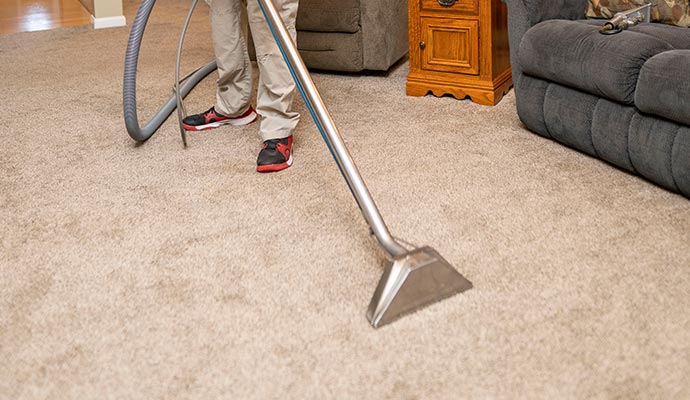
Once inspection is complete, restoration professionals begin extracting water using commercial-grade equipment. This process removes large amounts of moisture quickly, limiting further damage.
High-powered extraction machines pull water from carpet fibers and padding. In many cases, carpets are lifted so technicians can dry underlying materials thoroughly.
If padding is heavily saturated or contaminated, replacement may be necessary to prevent mold growth.
Quick extraction significantly reduces restoration time.
Drying and Dehumidification After Extraction
After water extraction, drying equipment is installed to remove remaining moisture. Industrial air movers and dehumidifiers circulate air and reduce humidity, helping carpets and structural materials dry completely.
Drying typically continues for several days depending on the severity of water intrusion. Moisture levels are monitored to ensure safe conditions before repairs begin.
Proper drying prevents future mold and odor problems.
Companies like Tip Top Water and Fire Damage Restoration frequently assist Biscayne Park homeowners through this process after water intrusion events, ensuring carpets and homes recover safely.
Cleaning and Sanitizing Affected Carpets
Once drying is complete, professional carpet cleaning solutions remove dirt, bacteria, and contaminants left behind by water intrusion. Sanitization treatments help eliminate odors and prevent microbial growth.
Professional cleaning restores carpets while ensuring indoor living conditions remain safe. Depending on damage severity, some carpets may be fully restored while others may require replacement.
Cleaning and sanitization complete the restoration process.
HVAC Systems and Carpet Moisture Problems
Air conditioning systems sometimes contribute to carpet water damage. AC leaks or clogged condensate lines may drip water onto flooring areas, particularly near closets or mechanical rooms.
Additionally, wet carpets increase indoor humidity, forcing HVAC systems to work harder. Moisture inside duct systems may also spread odors if not addressed.
Inspecting HVAC components after water damage helps prevent recurring moisture problems.
Proper system maintenance supports indoor drying efforts.
Preventing Future Carpet Water Damage
Preventive maintenance greatly reduces restoration risks. Biscayne Park homeowners can protect carpets by addressing moisture concerns quickly and maintaining household systems.
Helpful preventive steps include:
Inspecting plumbing regularly
Maintaining AC drain lines
Repairing roof or window leaks promptly
Monitoring indoor humidity levels
Scheduling inspections after heavy rain
Using moisture-resistant flooring in flood-prone areas can also reduce risk.
Early action prevents minor water events from becoming major restoration projects.
Why Local Restoration Experience Matters
Water damage behaves differently in coastal communities compared to inland areas. Professionals familiar with Biscayne Park properties understand local construction styles and humidity challenges unique to South Florida.
Local experience allows restoration teams to respond quickly and recommend solutions suited to neighborhood conditions.
Tip Top Water and Fire Damage Restoration frequently assists homeowners across Biscayne Park and surrounding communities dealing with carpet water damage and moisture concerns.
Local knowledge improves restoration outcomes.
A Practical Path Forward for Homeowners
Water-damaged carpets may seem like a small inconvenience, but delays allow moisture to spread and mold to grow. Acting quickly protects flooring, structural materials, and indoor air quality.
Professional inspection and drying restore homes safely and prevent long-term complications. For Biscayne Park homeowners, understanding the carpet cleaning process after water damage makes recovery more manageable.
With prompt attention and preventive maintenance, homes remain comfortable and protected despite South Florida’s moisture challenges.