
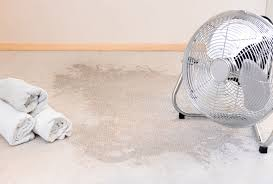
Explaining the Process of Carpet Cleaning After Water Damage in Surfside
In Surfside, water damage doesn’t have to be dramatic to cause serious carpet problems.
A summer storm pushing rain through sliding glass doors. A plumbing leak in a neighboring condo unit. An AC condensate line overflowing during humid weather. In a coastal town sitting directly along the Atlantic and near Biscayne Bay, moisture spreads fast — and carpet absorbs it even faster.
Carpet cleaning after water damage in Surfside isn’t just about restoring appearance. It’s about preventing mold growth, odor, and long-term structural issues beneath the surface.
Understanding the full process helps property owners make informed decisions when water intrusion happens.
Why Carpet Is So Vulnerable in Coastal Surfside Homes
Carpet is layered.
It consists of:
- Surface fibers
- Backing material
- Padding
- Subfloor or slab beneath
When water enters a property, it doesn’t stay on the surface. It seeps into the padding and often into the concrete slab below.
Surfside’s environment makes drying more difficult because of:
- High year-round humidity
- Salt air exposure
- Frequent rain
- Limited natural ventilation in high-rise buildings
Even if carpet feels dry on top, moisture may remain trapped underneath.
Without proper cleaning and drying, that hidden dampness becomes a mold risk.
Step 1: Immediate Water Extraction
The first priority is removing standing water.
Professional extraction equipment pulls water from:
- Carpet fibers
- Padding layers
- Surface flooring
Household vacuums and fans are not strong enough to remove moisture deeply embedded in carpet systems.
In Surfside’s humid climate, delaying extraction allows moisture to spread into adjacent drywall and baseboards.
Quick action reduces structural impact.
Tip Top Water and Fire Damage Restoration frequently sees situations where early extraction prevented full carpet replacement in coastal properties.
Step 2: Evaluating the Type of Water
Not all water damage is the same.
Water may come from:
- Clean plumbing supply lines
- Appliance leaks
- Storm intrusion
- Floodwater containing debris
The source determines whether carpet can be cleaned and restored or whether removal is necessary.
Floodwater, especially near coastal areas, may contain contaminants that require more extensive material removal.
Assessment ensures appropriate action.
Step 3: Lifting Carpet and Inspecting Padding
Padding acts like a sponge.
In many cases, saturated padding must be removed because it:
- Retains moisture
- Compresses permanently
- Traps odor
- Encourages mold growth
In Surfside homes and condos, attempting to save heavily soaked padding often leads to recurring humidity problems.
Lifting the carpet allows inspection of both padding and subfloor.
Moisture readings guide whether replacement is necessary.
Step 4: Moisture Detection in Subfloors and Slabs
Surfside properties include both high-rise condos and slab-on-grade homes.
After water intrusion:
- Concrete slabs may retain moisture
- Wooden subfloors may absorb water
- Moisture may travel laterally beneath flooring
Moisture meters confirm when underlying materials have fully dried.
Surface dryness is not enough in humid coastal climates.
If the slab remains damp, it may re-wet carpet from below weeks later.
Structured moisture detection prevents recurrence.
Step 5: Structural Drying
Drying must be controlled and measured.
This involves:
- Commercial air movers
- High-capacity dehumidifiers
- Proper airflow placement
- Continuous monitoring
Opening windows in Surfside rarely helps.
Outdoor humidity near the ocean is often high.
Controlled dehumidification pulls moisture from both carpet fibers and structural materials.
Drying continues until readings confirm stability.
Stopping early increases mold risk.
Step 6: Cleaning and Sanitizing
Once materials are dry or replaced, carpet cleaning includes:
- Deep extraction cleaning
- Removal of residual debris
- Neutralization of odor
- Treatment of non-porous surfaces
Proper cleaning eliminates contaminants introduced during water intrusion.
Odor control is particularly important in humid environments where smells may reactivate during rainy periods.
Mold Risk After Wet Carpet Events
In Surfside’s warm, humid environment, mold can begin developing within 48–72 hours if moisture remains.
Common growth areas include:
- Beneath padding
- Along baseboards
- Inside drywall adjacent to carpet
- Under furniture
Persistent musty odor often indicates hidden dampness.
Prompt inspection reduces the need for mold remediation later.
HVAC Systems and Carpet Drying
Air conditioning plays a major role in moisture control.
After water damage, HVAC systems should be inspected for:
- Clogged condensate lines
- Damp duct insulation
- Dirty evaporator coils
- Improper airflow
If humidity remains elevated indoors, drying slows.
Continuous AC operation must be balanced with dehumidification for effective carpet recovery.
High-Rise Considerations in Surfside
Many Surfside properties are high-rise condos.
In these buildings:
- Water may enter from upper units
- Ceiling cavities may require inspection
- Shared plumbing stacks complicate moisture control
Water may travel between units before becoming visible.
Coordination with building management is often necessary to ensure all affected areas are evaluated.
Moisture detection prevents cross-unit recurrence.
Slab Homes and Groundwater Influence
In nearby Miami Shores and North Miami Beach, slab-on-grade homes face additional challenges.
After heavy rain or king tides:
- Groundwater levels rise
- Moisture migrates upward
- Carpet edges remain damp
Because slab moisture spreads before surfacing, homeowners may misidentify the source as plumbing.
Moisture testing clarifies the true cause.
Addressing slab moisture prevents repeated carpet damage.
Why DIY Carpet Cleaning After Flooding Often Fails
Rental-grade carpet cleaners improve surface appearance but rarely:
- Remove moisture from padding
- Dry subfloors
- Measure internal moisture levels
- Prevent mold growth
In coastal South Florida, incomplete drying leads to recurring odor and repeated service calls.
Professional extraction and structured drying provide measurable results.
Preventing Future Carpet Water Damage
After restoration, long-term protection depends on:
- Regular AC maintenance
- Drain line flushing
- Inspecting plumbing connections
- Monitoring indoor humidity
- Checking window and door seals
- Improving exterior drainage
In coastal communities like Surfside, proactive maintenance reduces emergency restoration needs.
Why Local Coastal Experience Matters
Carpet cleaning after water damage in Surfside requires understanding:
- Elevated humidity patterns
- Salt air exposure
- High-rise construction design
- Slab foundation behavior
- Continuous AC usage
Restoration strategies must account for these environmental factors.
Tip Top Water and Fire Damage Restoration approaches carpet drying with methods tailored specifically to South Florida’s coastal climate.
Local expertise ensures moisture is fully addressed — not just surface stains removed.
Turning Cleanup Into Long-Term Protection
Carpet cleaning after water damage is more than a cleaning task.
It’s a structured process designed to:
- Remove moisture
- Prevent mold
- Protect subfloors
- Restore indoor comfort
- Stabilize humidity
In Surfside’s coastal environment, moisture is constant.
But recurring carpet damage does not have to be.
With proper extraction, moisture detection, structural drying, and preventative maintenance, homeowners can protect their flooring and avoid repeat restoration projects.
Water intrusion may be unavoidable in coastal Florida — but lasting damage is not.