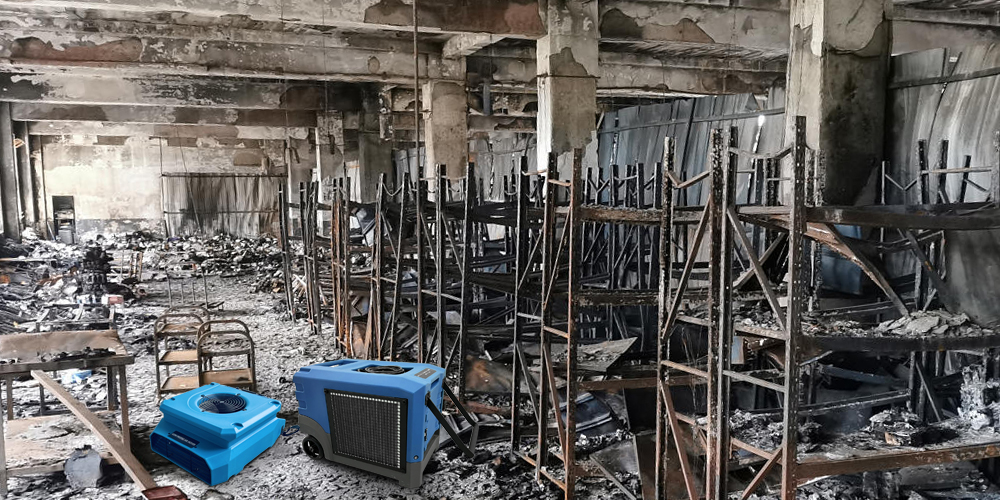
Explaining the Process of Fire Damage Restoration in Miami Shores
Miami Shores, a charming and historic coastal community in North Miami-Dade, is known for its tree-lined streets, mid-century homes, and proximity to Biscayne Bay. While the area offers residents a desirable lifestyle, the combination of older homes, Florida’s heat and humidity, and occasional storm events can make properties vulnerable to fire-related incidents.
Even minor fires can leave behind more than just visible burn marks. Smoke, soot, odors, and water used for firefighting can all cause extensive damage to a home’s structure and indoor environment. For homeowners, landlords, and property managers, understanding the process of fire damage restoration is essential for protecting both property value and occupant health. This guide provides a detailed overview of what fire damage entails, why it occurs, and how professional restoration is carried out in Miami Shores homes.
Understanding Fire Damage
Fire damage is multifaceted and can include:
- Structural Damage – Burned or weakened walls, floors, ceilings, and roofing materials.
- Smoke and Soot Residue – Invisible particles that penetrate walls, ductwork, furniture, and fabrics.
- Odor Contamination – Lingering smoky smells that are difficult to remove with standard cleaning.
- Water Damage – Water from fire suppression efforts can saturate walls, floors, and insulation, creating moisture problems.
- Corrosion and Staining – Heat and smoke can alter metal surfaces and finishes.
Even fires that appear contained to a small area can cause damage throughout a home, especially when smoke and soot spread via air currents or HVAC systems.
Why Fire Damage Occurs in Miami Shores
Several local factors contribute to fire risk and the resulting damage:
1. Aging Homes
Many homes in Miami Shores were built decades ago and feature wood framing, plaster walls, and older electrical systems. Aging wiring or outdated appliances can increase fire risk.
2. Coastal Humidity
High humidity can exacerbate smoke penetration and complicate drying after firefighting water use. Moisture-laden environments can accelerate soot staining and secondary mold growth if not addressed promptly.
3. AC and HVAC Systems
Central air systems can spread smoke, soot, and odors throughout the home. Leaky ducts or clogged filters exacerbate contamination and increase the areas affected.
4. Storms and Electrical Surges
Frequent thunderstorms and occasional hurricanes can cause power fluctuations, short circuits, or appliance failures, increasing the likelihood of fire incidents.
5. Human Activities
Kitchen accidents, unattended appliances, candles, and grilling near homes are common causes of residential fires. Even small events can leave behind pervasive smoke damage if not properly cleaned.
Signs That Professional Fire Damage Restoration Is Needed
Homeowners should look for both obvious and hidden indicators of fire damage:
- Visible Fire Damage – Burn marks, charred walls, or melted materials.
- Soot Deposits – Fine black or gray particles on surfaces far from the fire’s origin.
- Persistent Smoke Odors – Lingering smells in rooms, closets, or HVAC vents.
- Water Saturation – Damp or warped walls, floors, and ceilings from firefighting efforts.
- HVAC Contamination – Odors or dust circulating through air ducts.
- Discoloration or Staining – Walls, ceilings, or furniture may show yellowing or brown marks.
Even if damage seems minor, professional restoration ensures the home is safe, structurally sound, and free from hidden hazards.
Common Challenges in Fire Damage Restoration
Restoring a home after fire requires addressing both visible damage and hidden contamination:
- Smoke Penetration – Smoke can infiltrate walls, ceilings, cabinets, and fabrics.
- Soot Deposits – Fine soot particles can stain surfaces, carpets, and furnishings if not properly cleaned.
- Water Damage – Excess moisture from firefighting can cause mold growth or wood warping.
- Odor Removal – Smoke odors are often chemically bonded to materials and difficult to remove with standard cleaning.
- Electrical and HVAC Contamination – Systems that were operating during the fire may carry smoke and soot throughout the home.
These challenges require specialized equipment, chemicals, and restoration expertise to ensure complete recovery.
The Professional Fire Damage Restoration Process
Professional fire restoration is a multi-step process that addresses structural, environmental, and aesthetic damage.
1. Initial Assessment
Technicians perform a comprehensive inspection to determine the extent of damage:
- Visual Inspection – Identifies structural damage, smoke residue, soot deposits, and affected areas.
- Moisture Detection – Locates water infiltration from firefighting efforts.
- HVAC Evaluation – Checks ducts, vents, and air handlers for contamination.
- Safety Assessment – Ensures electrical systems, gas lines, and structural components are safe to work on.
A detailed assessment allows for a targeted restoration plan tailored to the specific property.
2. Containment and Safety Measures
To protect unaffected areas and prevent cross-contamination:
- Physical Barriers – Plastic sheeting and temporary partitions isolate damaged areas.
- Negative Air Pressure – Specialized equipment directs airflow away from clean areas.
- Personal Protective Equipment – Technicians wear respirators, gloves, and protective clothing to prevent exposure to soot and smoke.
Proper containment ensures that restoration is efficient and safe for occupants and workers.
3. Soot and Smoke Removal
Removing soot and smoke residues requires specialized equipment and techniques:
- Dry Cleaning – HEPA vacuuming and dry sponges remove surface soot without spreading contaminants.
- Wet Cleaning – Chemical cleaners and steam methods treat stubborn soot on walls, floors, and furniture.
- Air Scrubbing – HEPA air scrubbers reduce airborne smoke particles during cleanup.
- HVAC Cleaning – Ductwork, vents, and air handlers are cleaned to prevent odor and particulate recirculation.
This step ensures that both visible and hidden residues are effectively removed.
4. Water Damage Mitigation
Fire restoration often involves drying water-saturated areas:
- Industrial Dehumidifiers – Remove moisture from walls, floors, and ceilings.
- Air Movers and Fans – Accelerate evaporation and prevent secondary mold growth.
- Moisture Monitoring – Ongoing measurement ensures that materials are completely dry before finishing work.
Proper drying is crucial to prevent mold and structural deterioration.
5. Odor Neutralization
Smoke odors are chemically bonded to surfaces and require specialized treatments:
- Thermal Fogging – Penetrates materials to neutralize smoke particles.
- Ozone Treatments – Breaks down odor-causing compounds.
- Surface Treatments – Sealants and antimicrobial coatings prevent odor recurrence and microbial growth.
These measures ensure that the home smells fresh and safe after restoration.
6. Structural Repairs and Restoration
After cleaning and drying, repairs restore the home to pre-fire condition:
- Drywall and Paint – Replacement or refinishing of walls and ceilings.
- Flooring Repairs – Carpets, hardwood, or tile may be cleaned, repaired, or replaced.
- Cabinetry and Furnishings – Cleaning, refinishing, or replacement of affected items.
- Electrical and HVAC Repairs – Systems are inspected and restored to safe operation.
The goal is to fully restore functionality, aesthetics, and structural integrity.
7. Final Inspection and Clearance
The restoration team conducts a thorough final inspection:
- Visual Confirmation – Ensures that all damage has been addressed.
- Air Quality Testing – Confirms that smoke and soot particles are removed.
- Moisture Verification – Checks that water-saturated materials are dry and safe.
- Preventive Recommendations – Guidance on smoke detection, fire prevention, and HVAC maintenance.
This final step ensures the property is fully restored, safe, and ready for occupancy.
Preventing Future Fire Damage
While restoration addresses existing damage, homeowners can take proactive measures:
- Smoke Alarms and Sprinklers – Regularly test and maintain safety systems.
- Electrical Maintenance – Inspect wiring, outlets, and appliances for faults.
- Safe Cooking and Heating Practices – Avoid leaving stoves, ovens, or space heaters unattended.
- HVAC Maintenance – Clean and inspect systems to prevent smoke spread in case of small fires.
- Regular Home Inspections – Identify and repair potential fire hazards proactively.
Prevention reduces the likelihood of future fire incidents and minimizes potential damage.
Why Local Expertise Matters
Miami Shores homes have unique characteristics that require professional restoration expertise:
- Coastal Humidity – Affects smoke and water residue behavior and drying strategies.
- Older Construction Materials – Require careful handling during cleaning and restoration.
- HVAC and AC Systems – Local experience ensures hidden smoke contamination is addressed.
- Storm and Flood Interactions – Technicians know how water used in firefighting interacts with coastal humidity.
Tip Top Water and Fire Damage Restoration brings local knowledge and hands-on experience to Miami Shores, North Miami, North Miami Beach, Bal Harbour, Aventura, and nearby communities, providing reliable fire damage restoration tailored to coastal properties.
Conclusion
Fire damage restoration in Miami Shores is a complex, multi-step process that goes far beyond surface cleaning. Smoke, soot, odors, and water damage require professional expertise, specialized equipment, and a detailed restoration plan to ensure homes are fully recovered and safe for occupancy.
Understanding the signs of fire damage, the step-by-step restoration process, and preventive strategies empowers homeowners, landlords, and property managers to protect their investment, maintain indoor air quality, and restore structural integrity. With local knowledge and professional intervention, Miami Shores homes can recover effectively from fire incidents while minimizing long-term risks.